Hochzeit im Vintage Glam Style: Grandiose Sommerhochzeit am Lehnsitzsee • Brandenburg • Sommer • Hochzeitsfotograf • freie Trauung
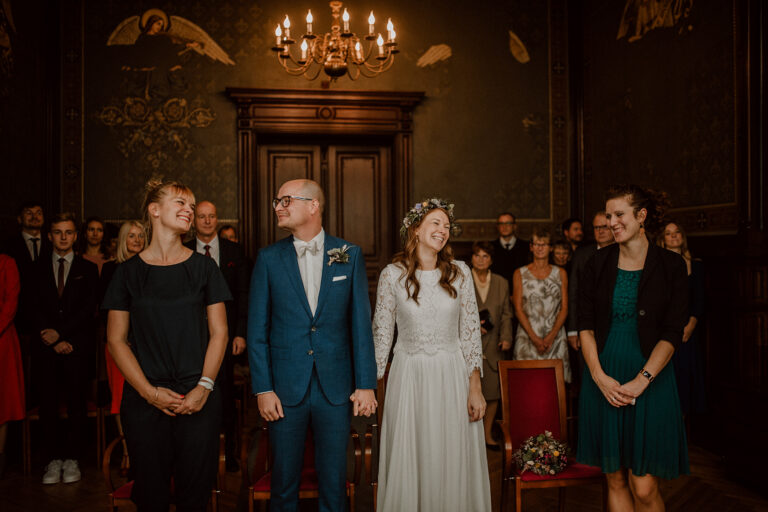
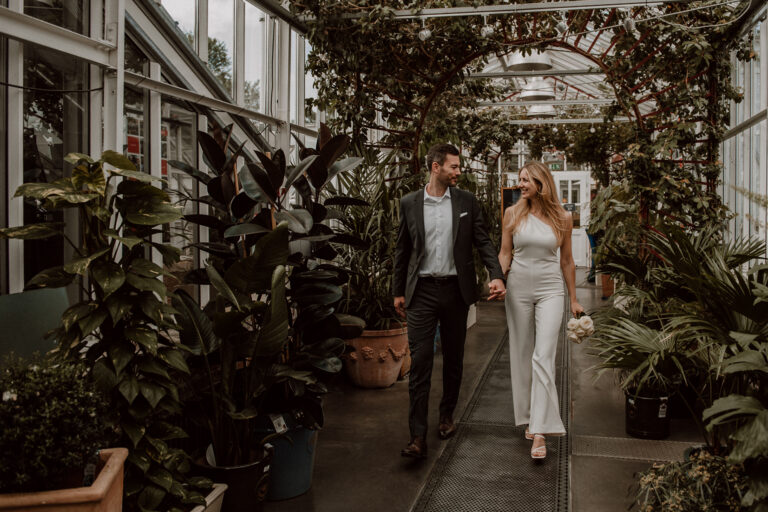
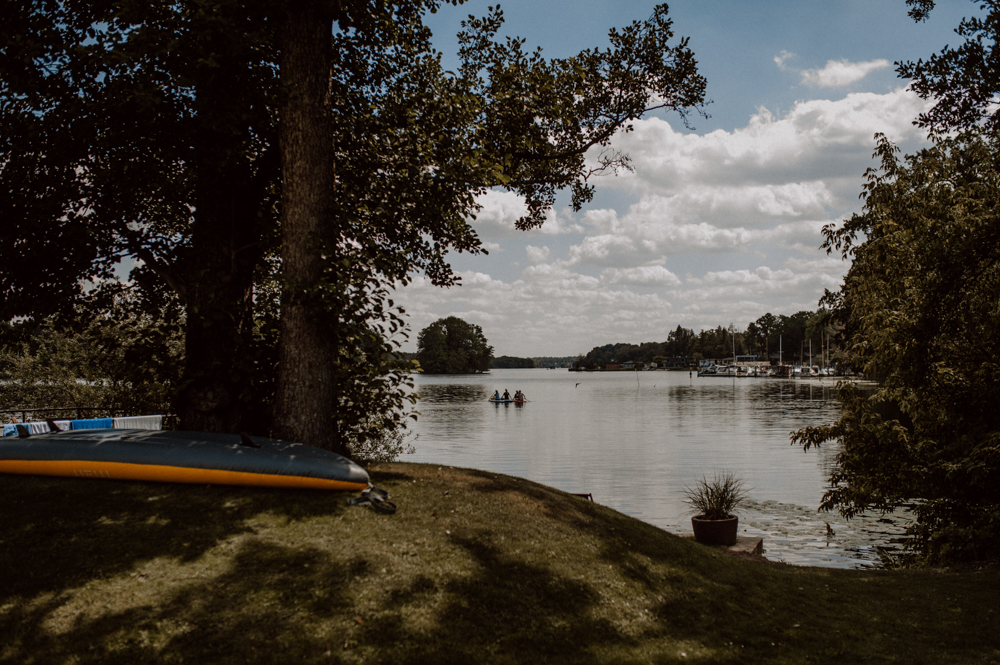
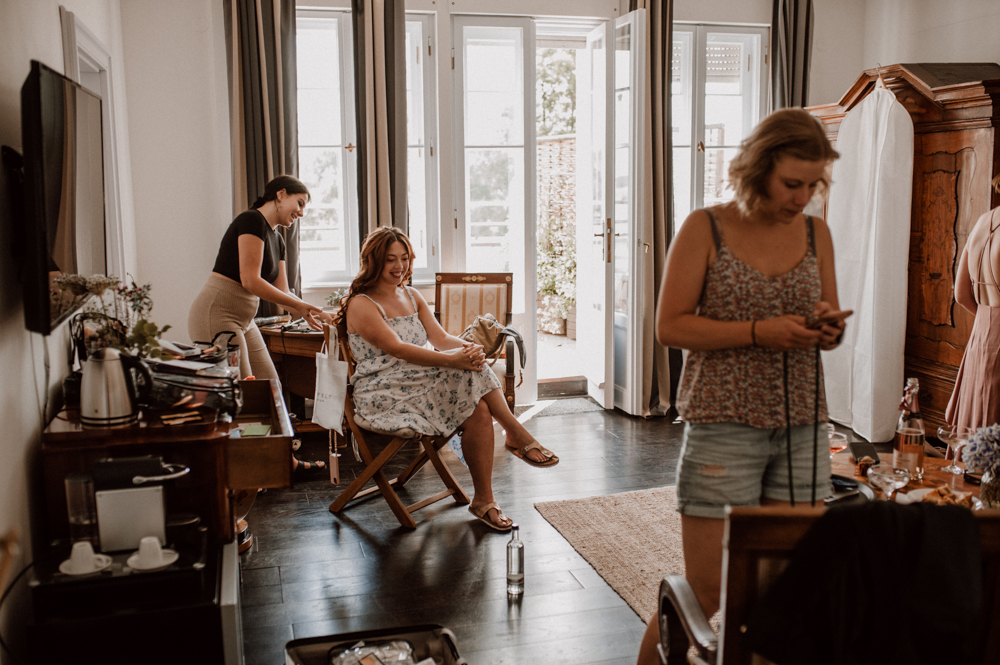
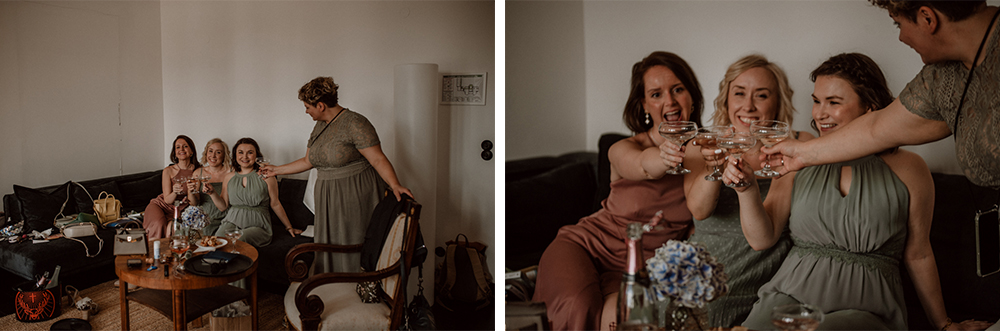
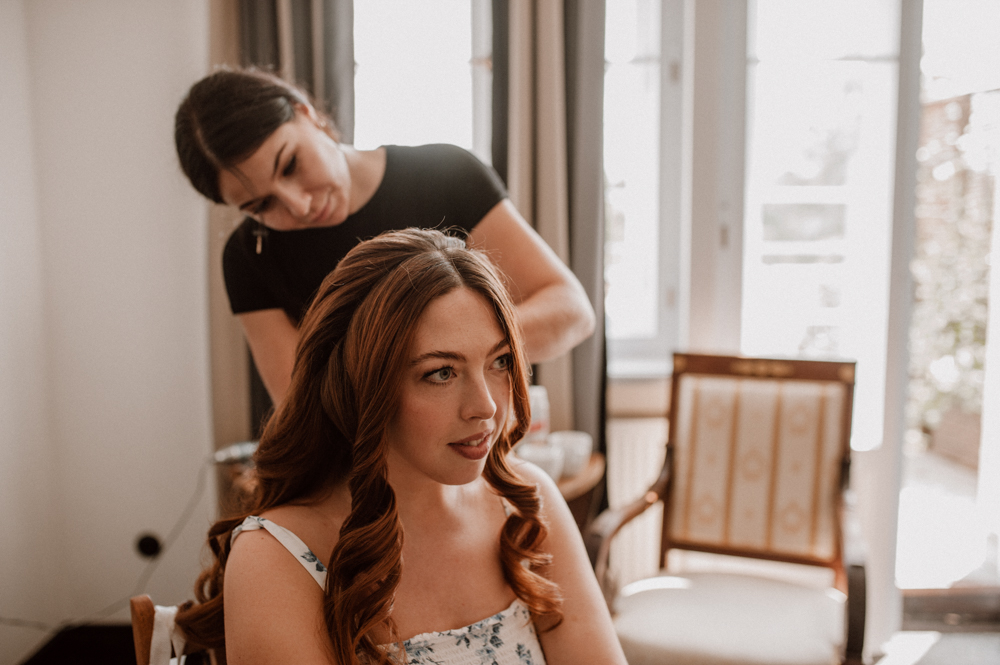
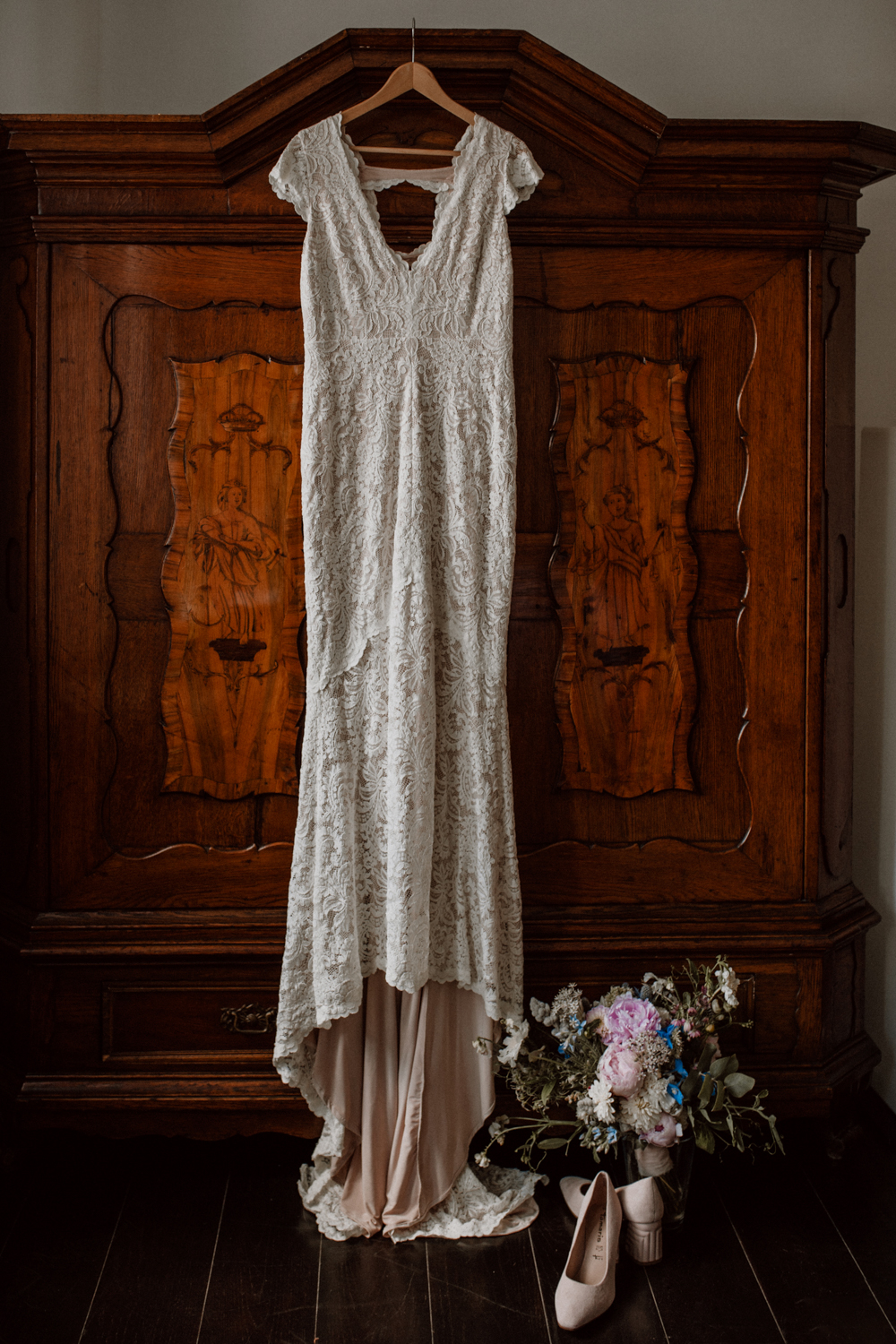
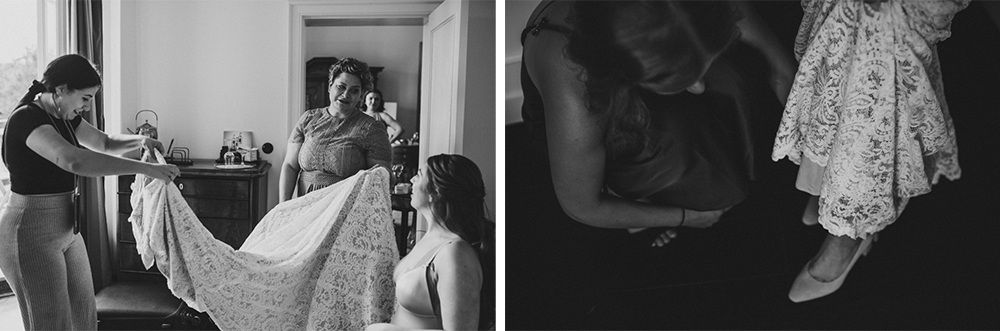
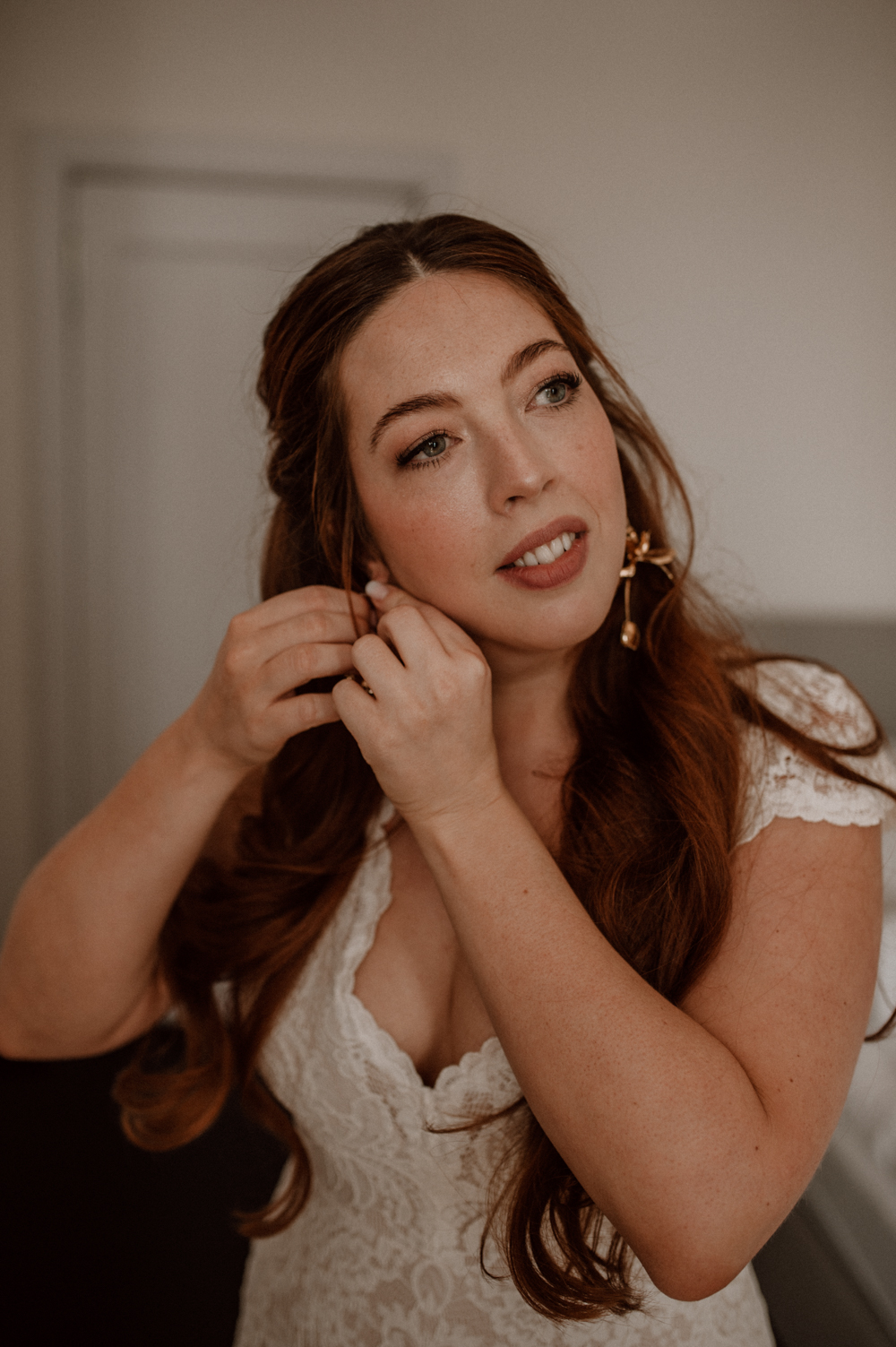
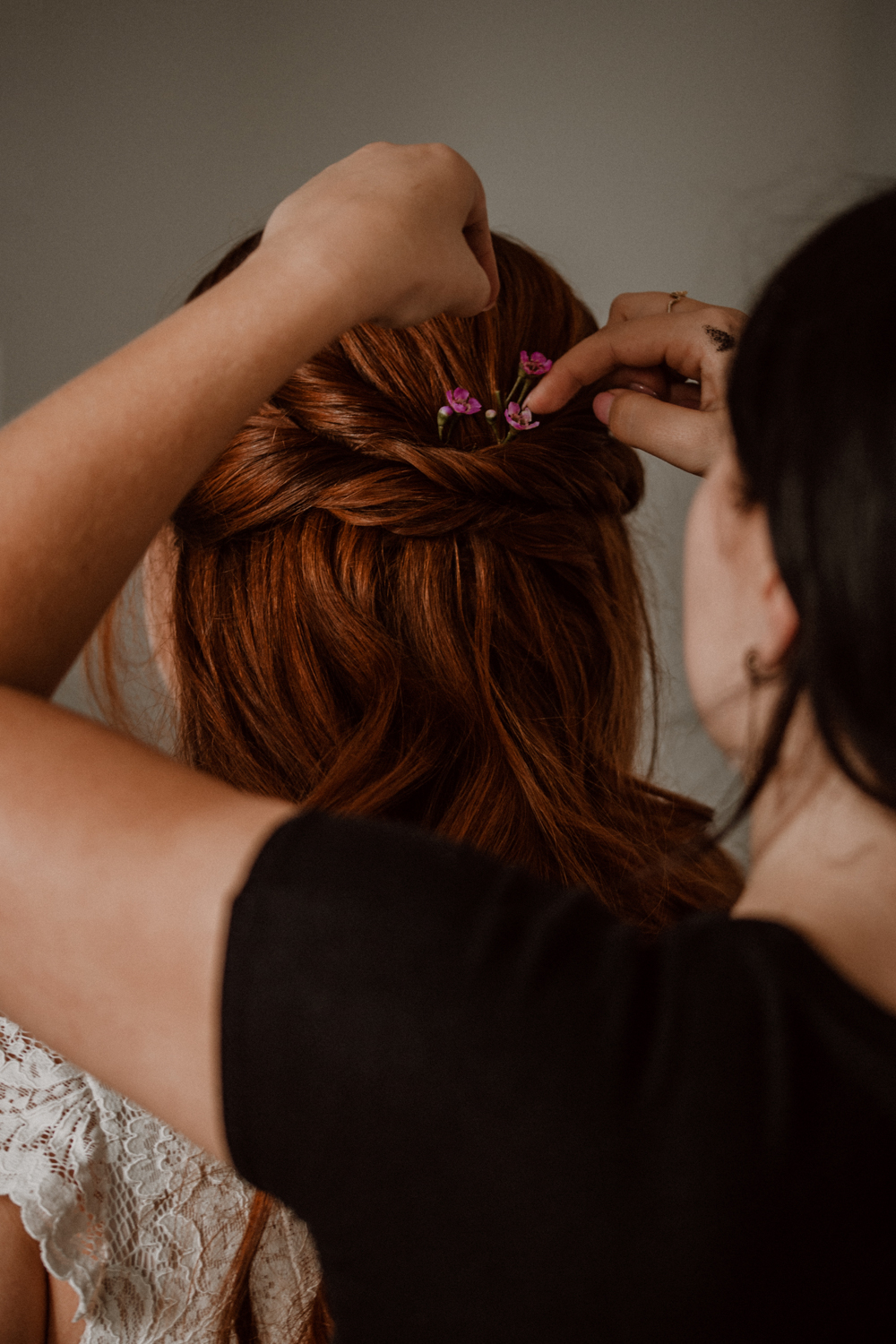
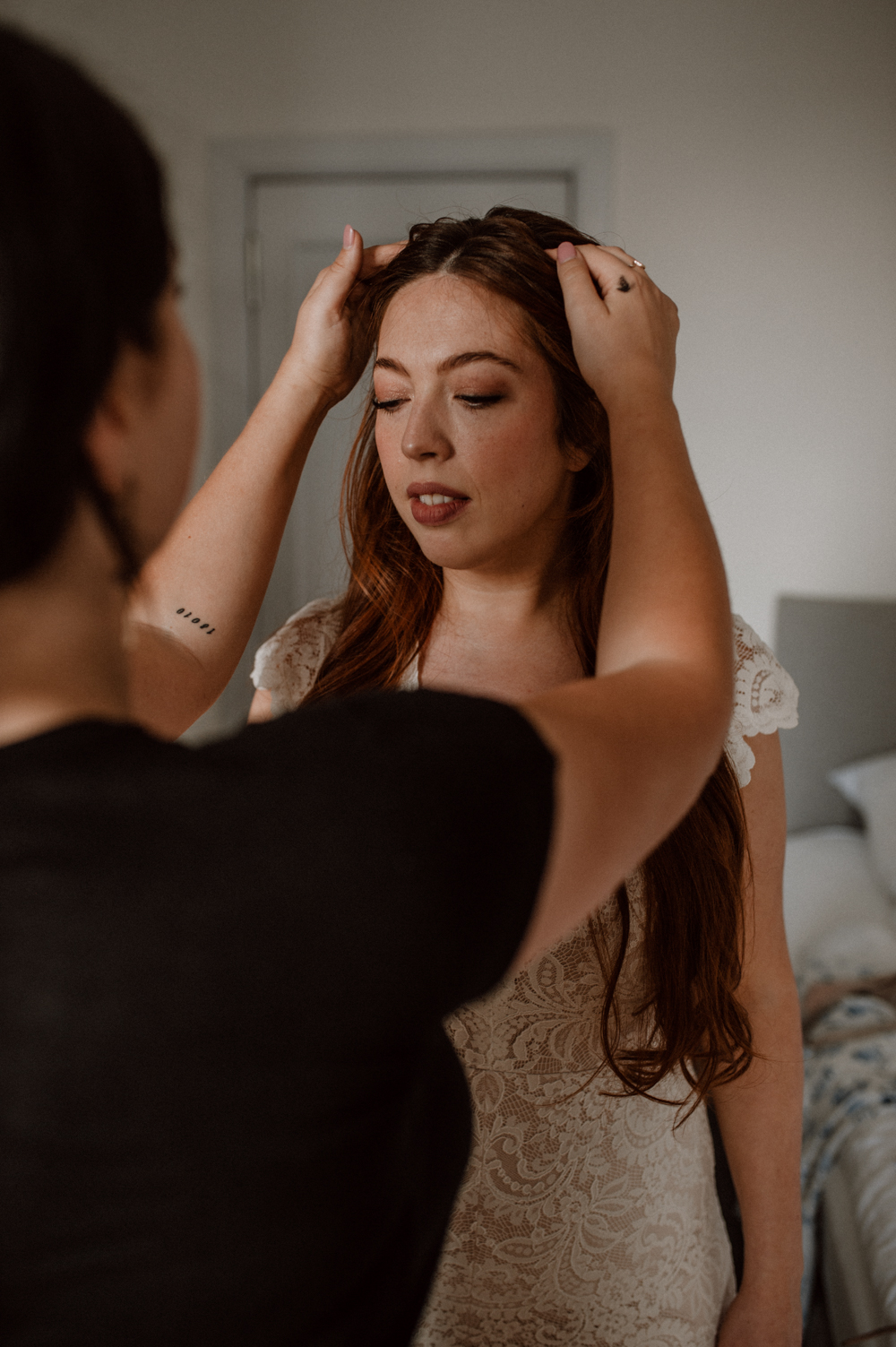
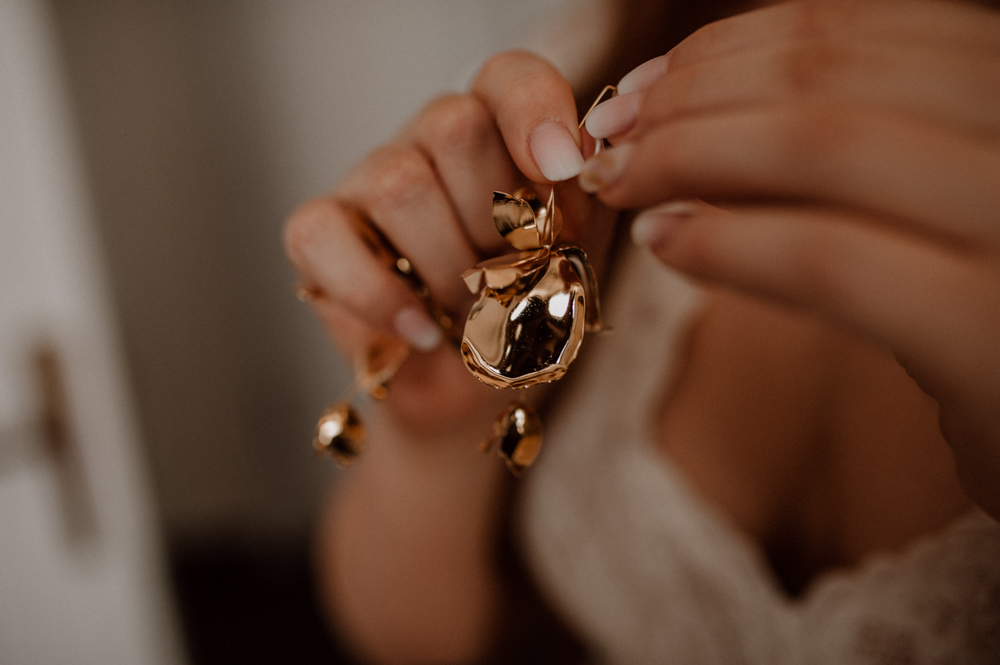
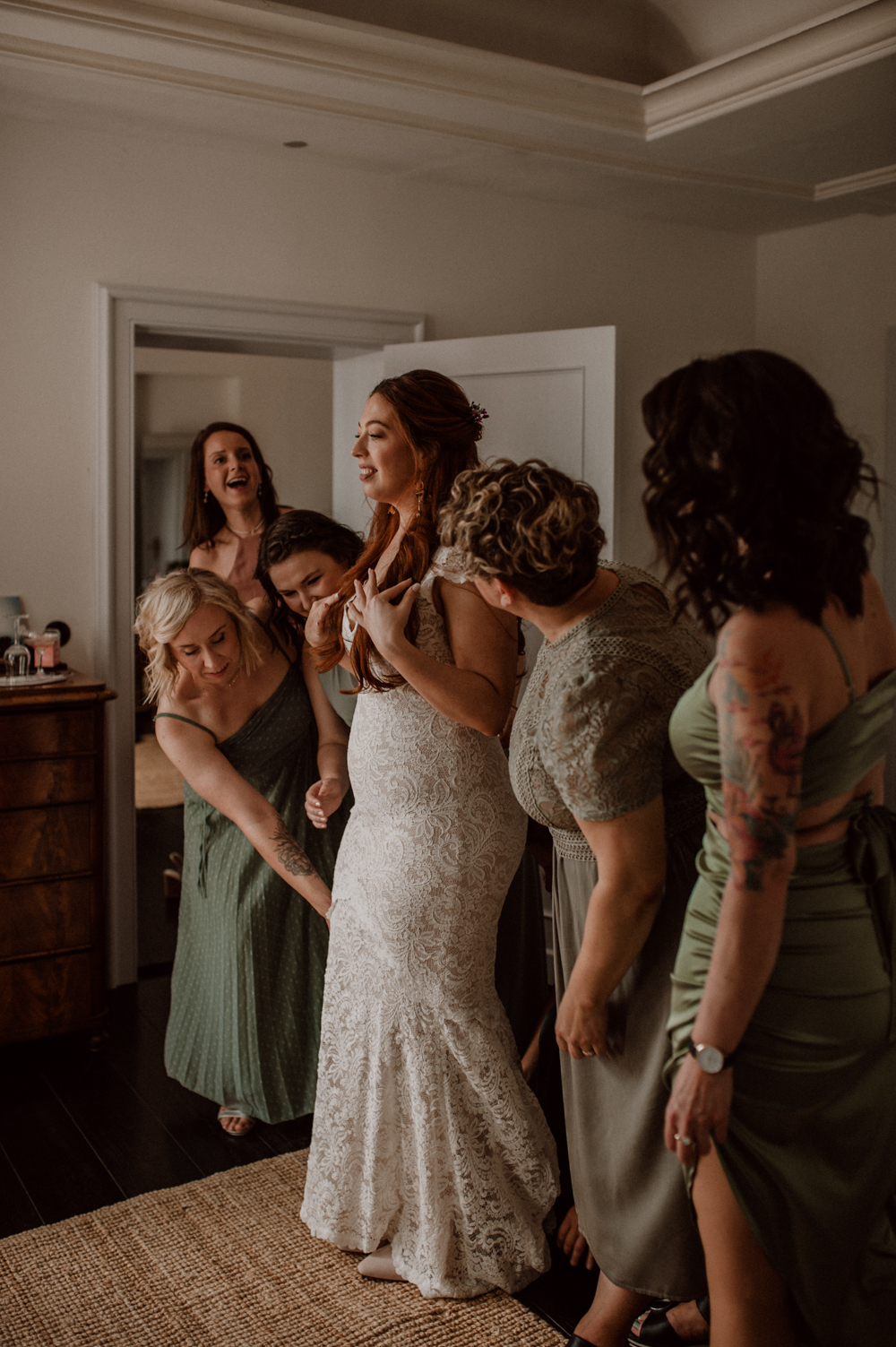
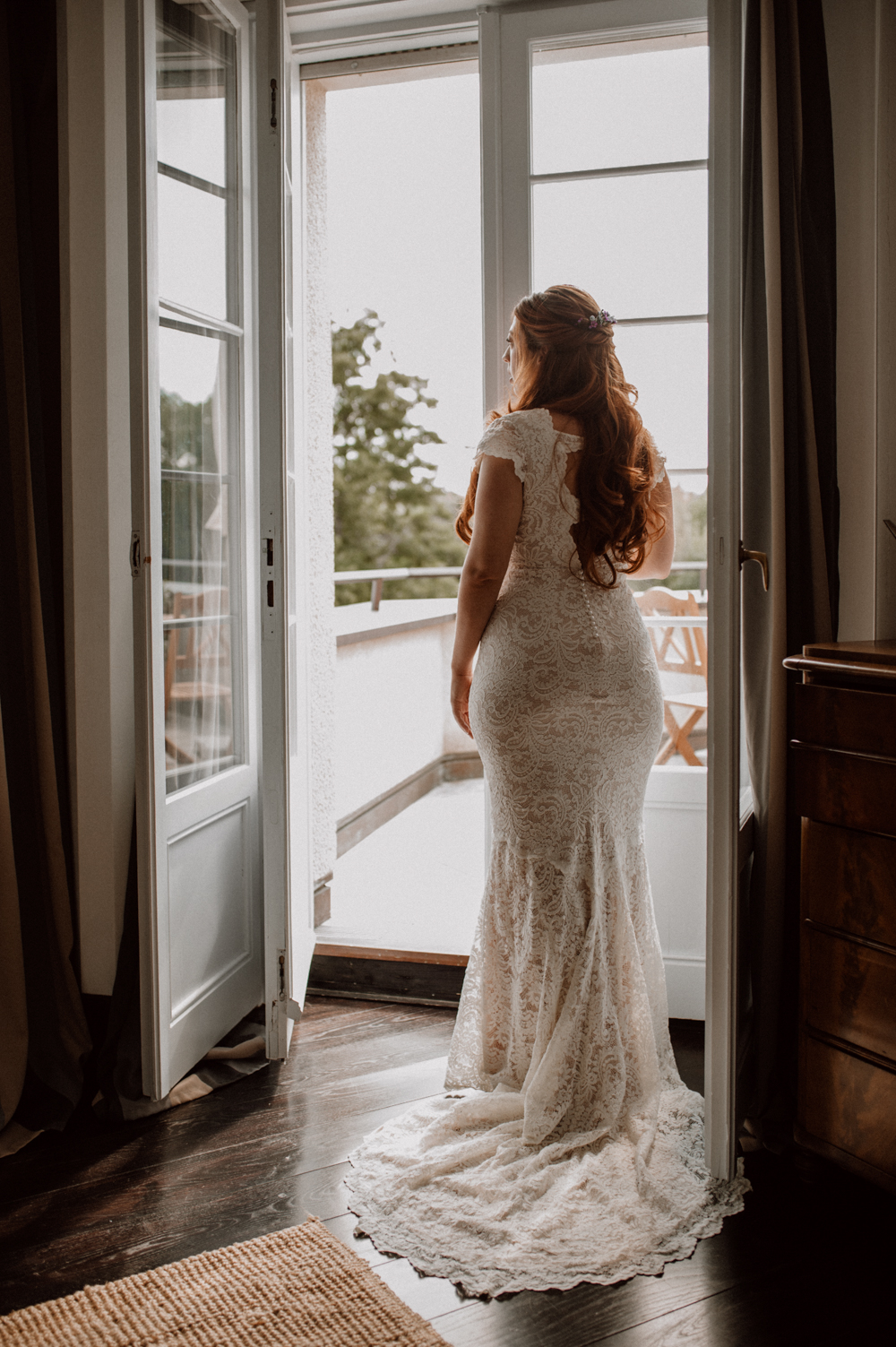
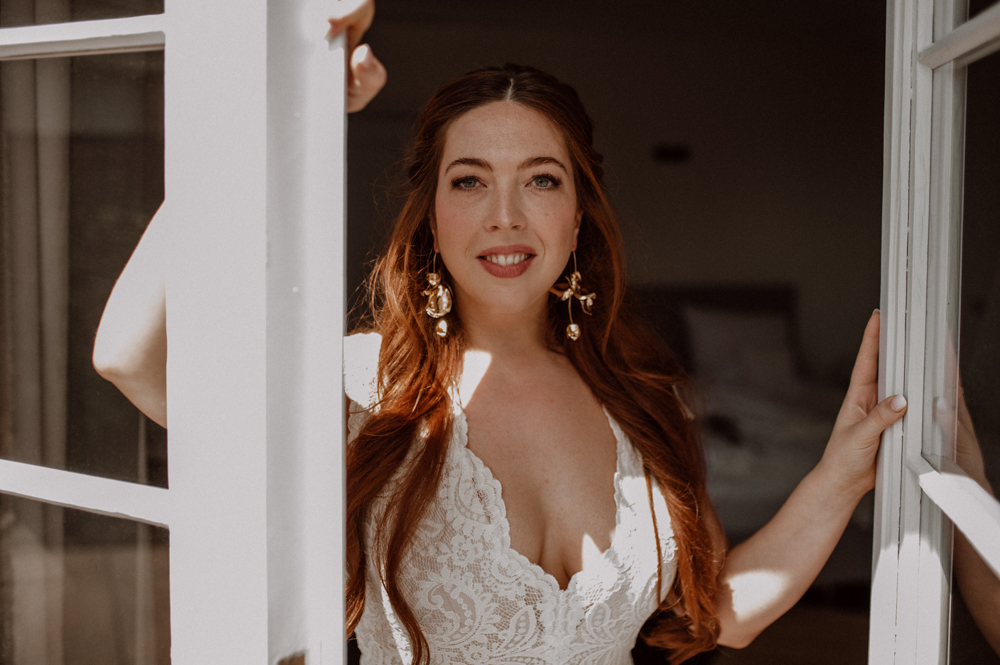
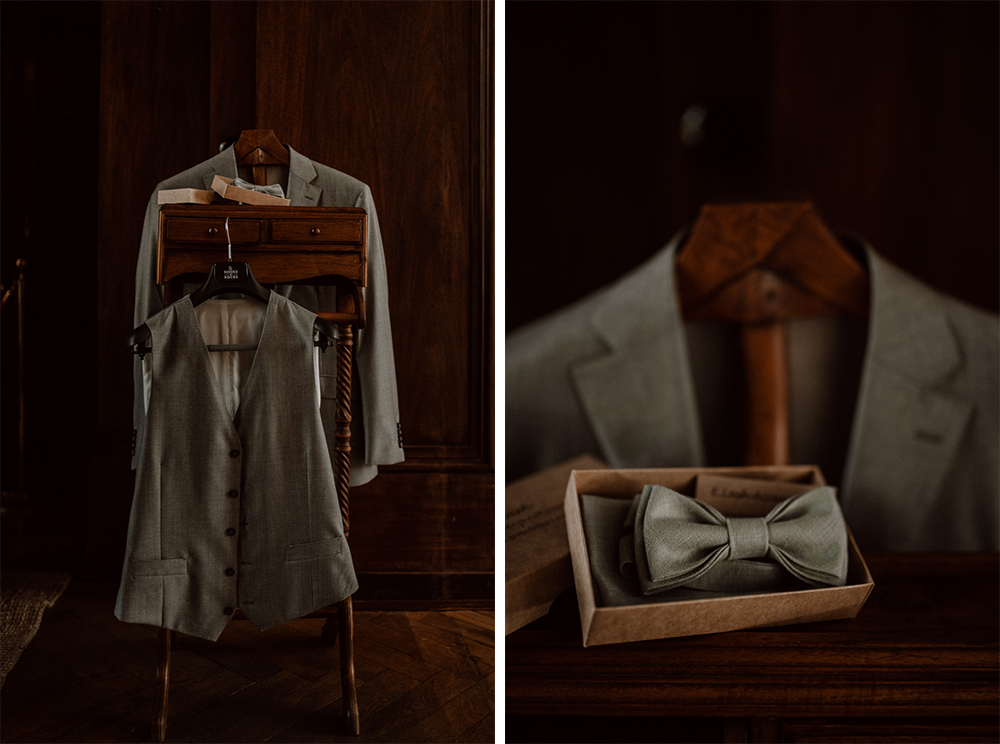
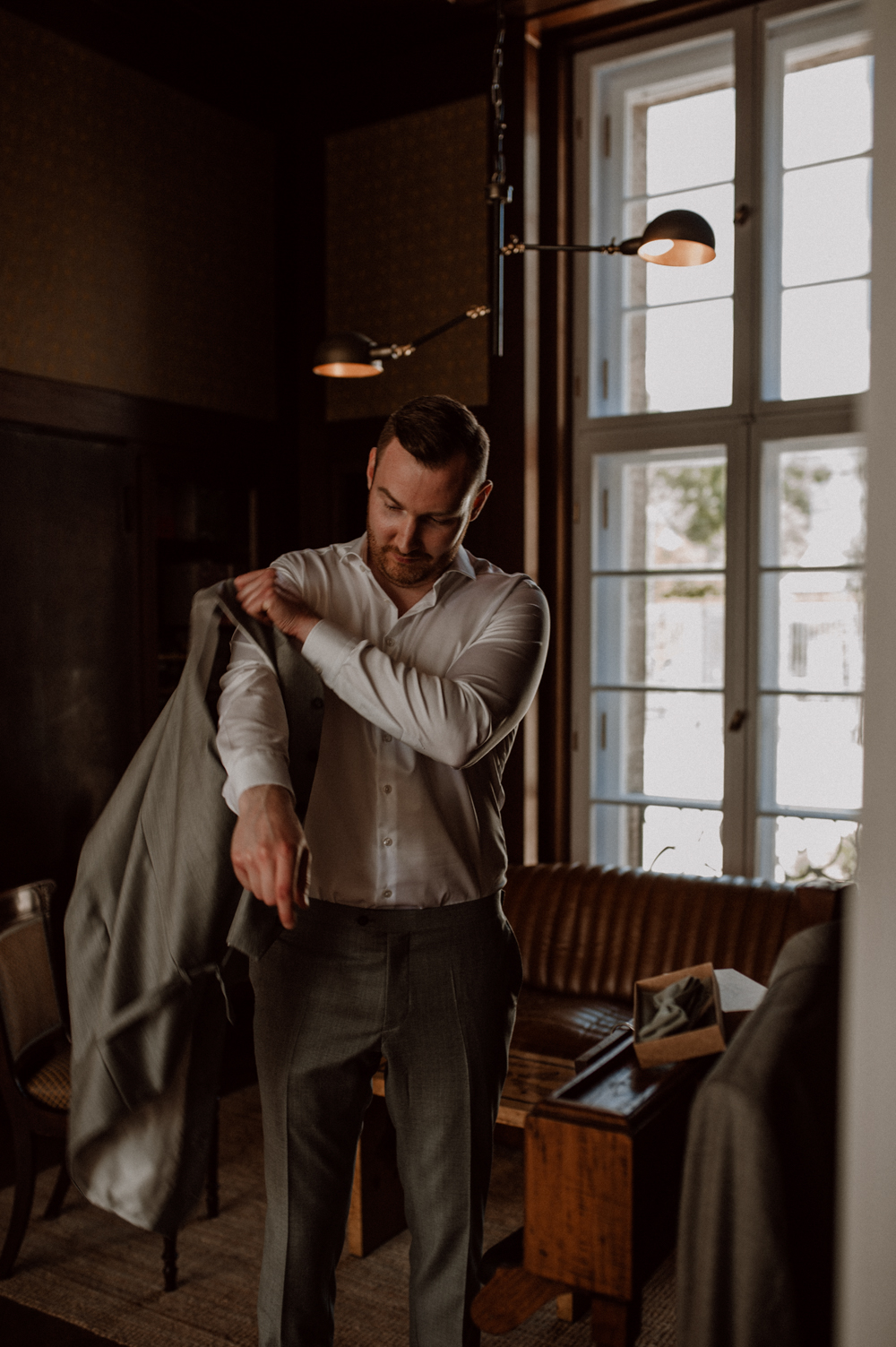
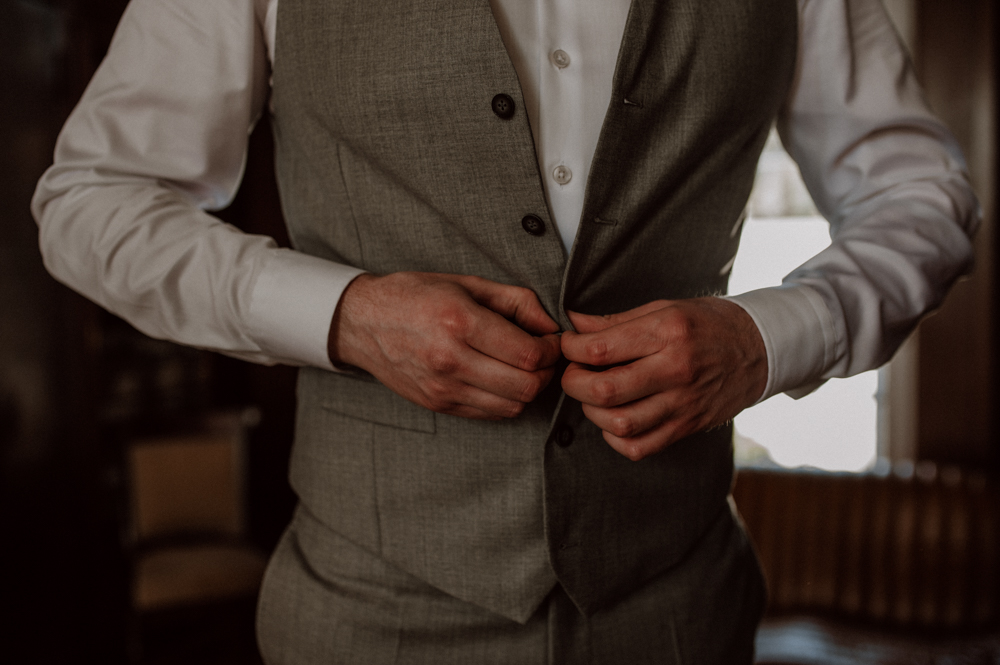
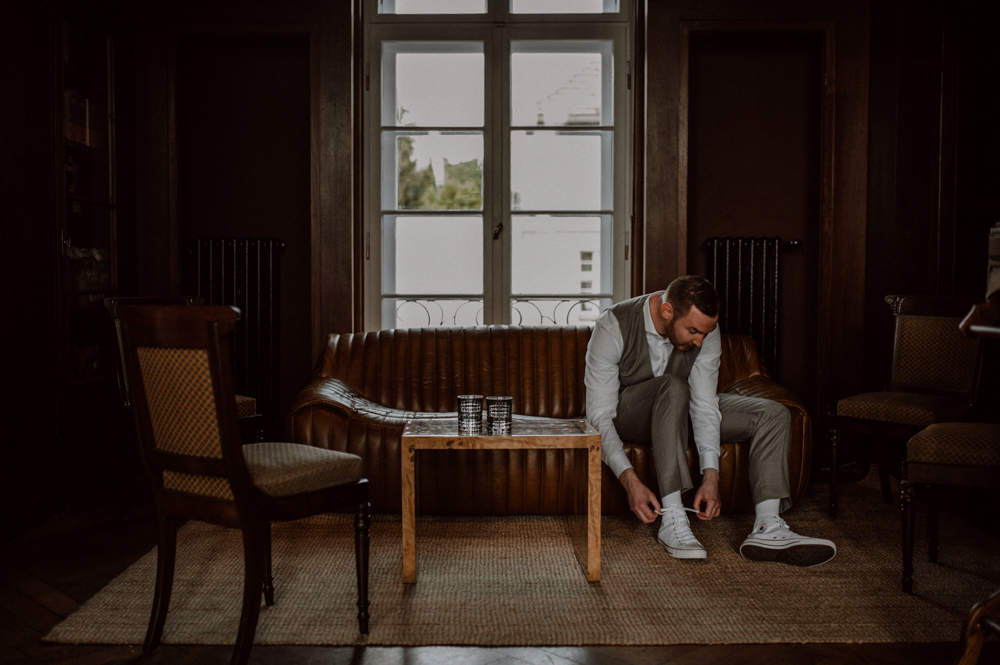
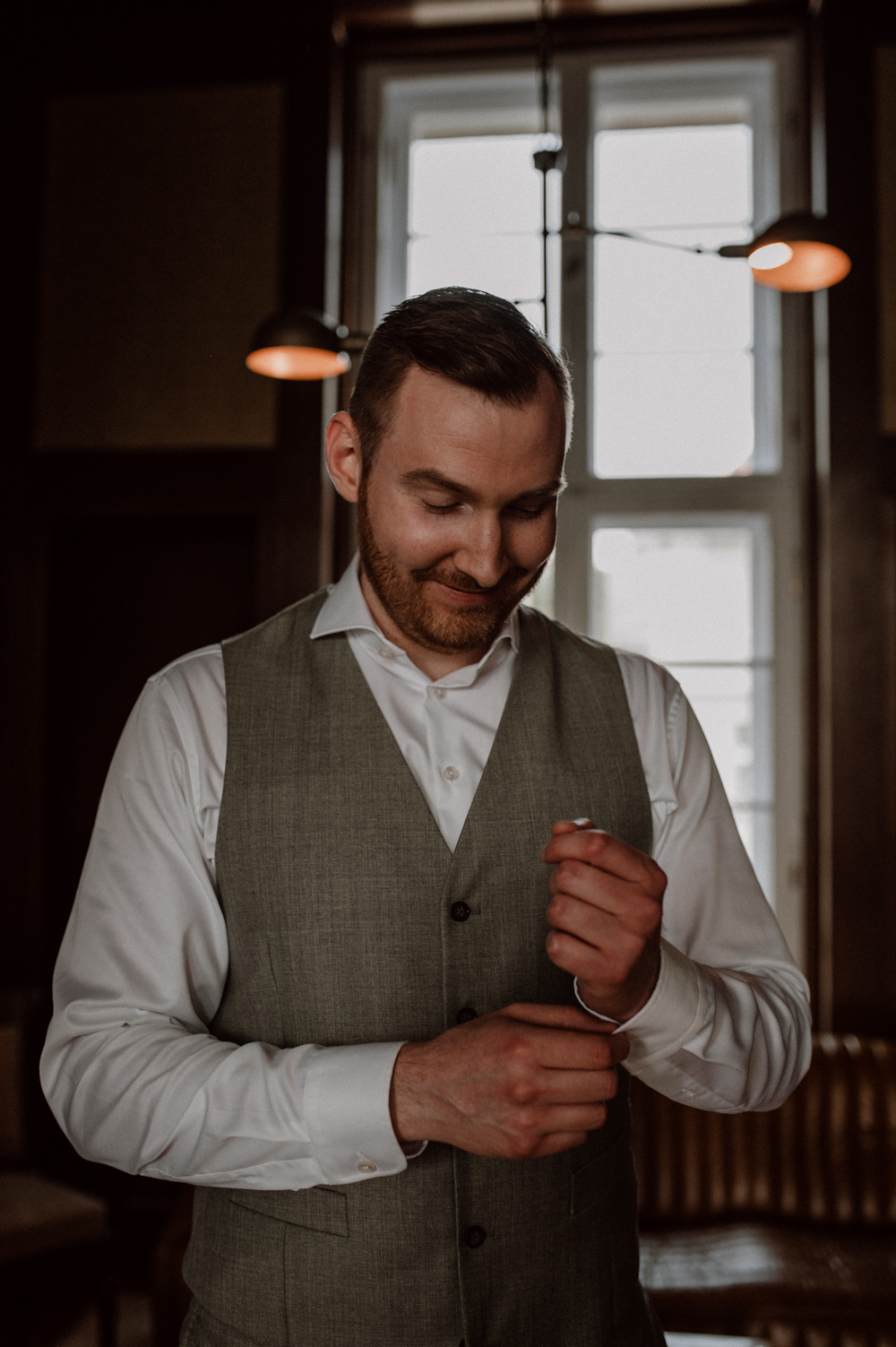
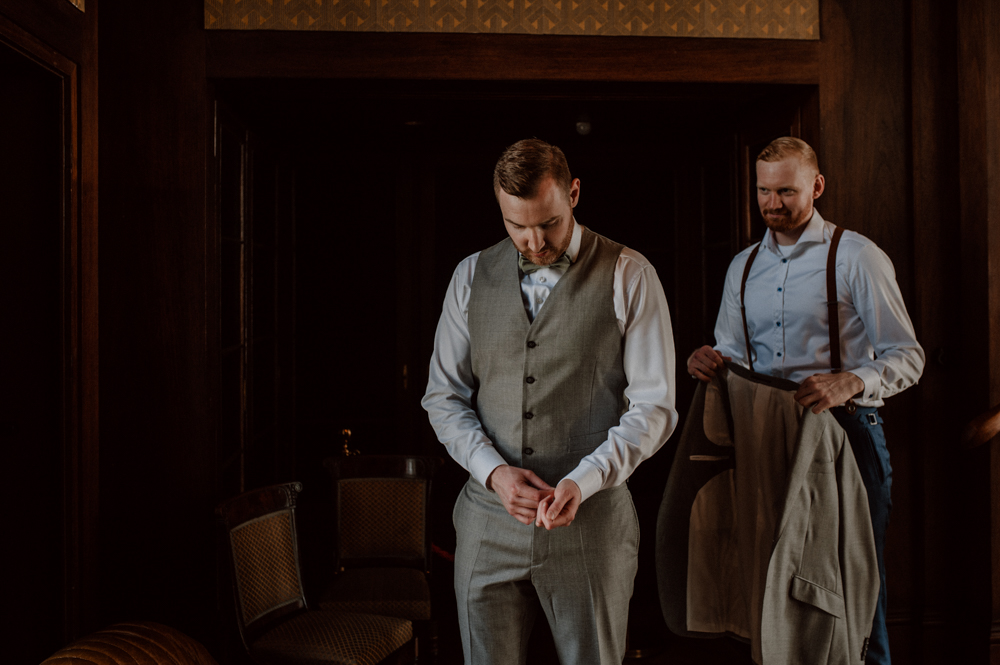
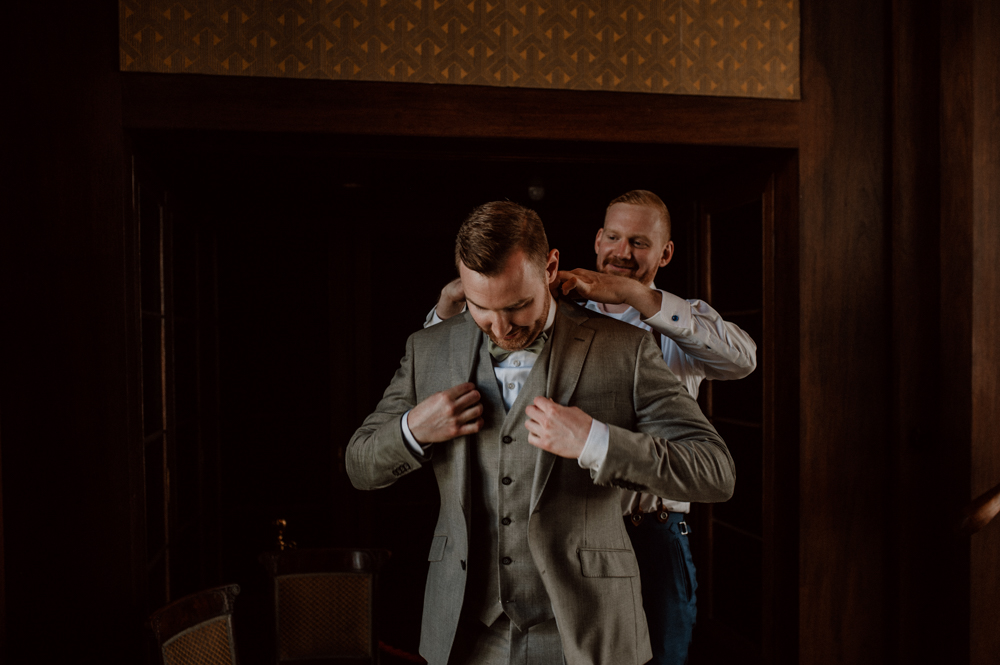
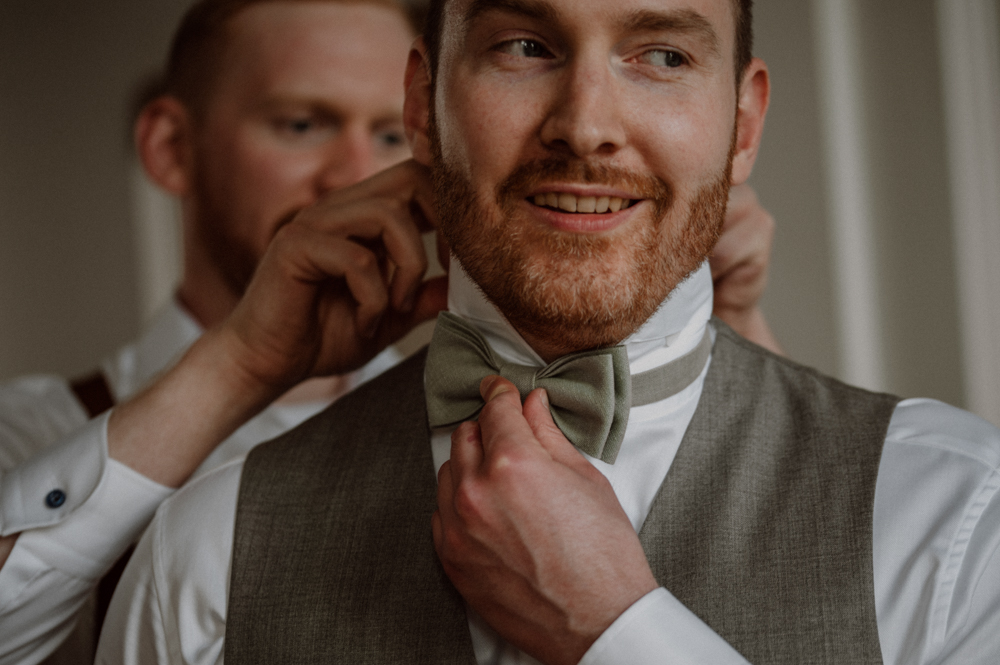
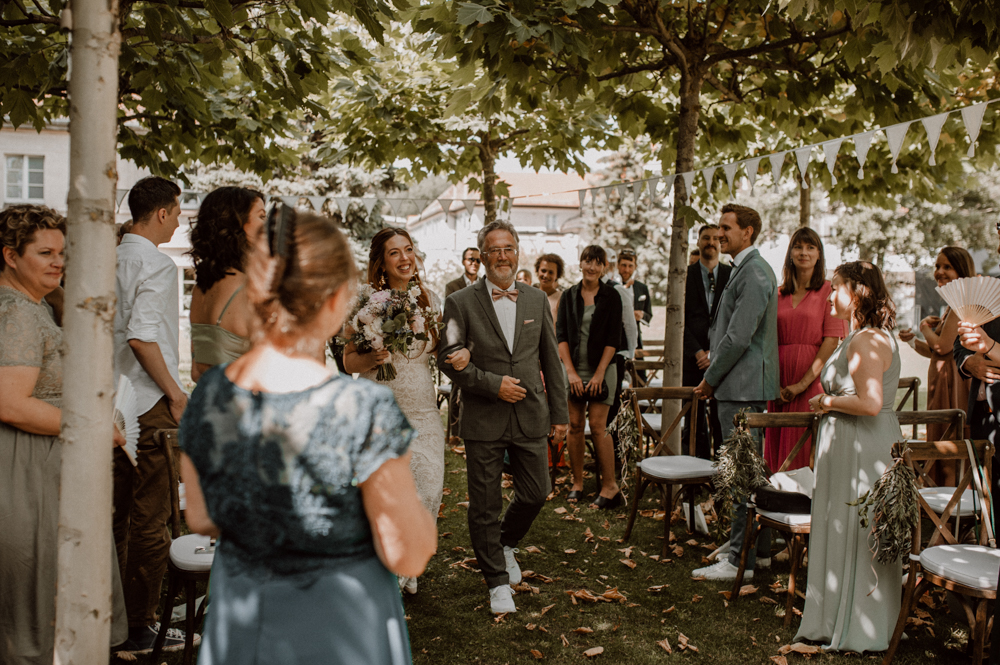
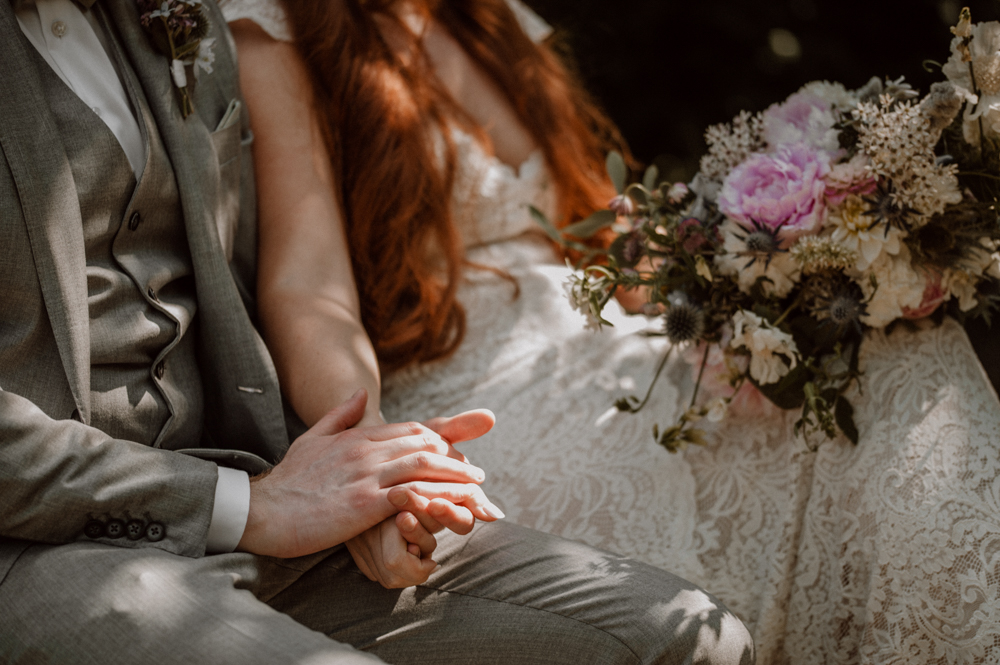
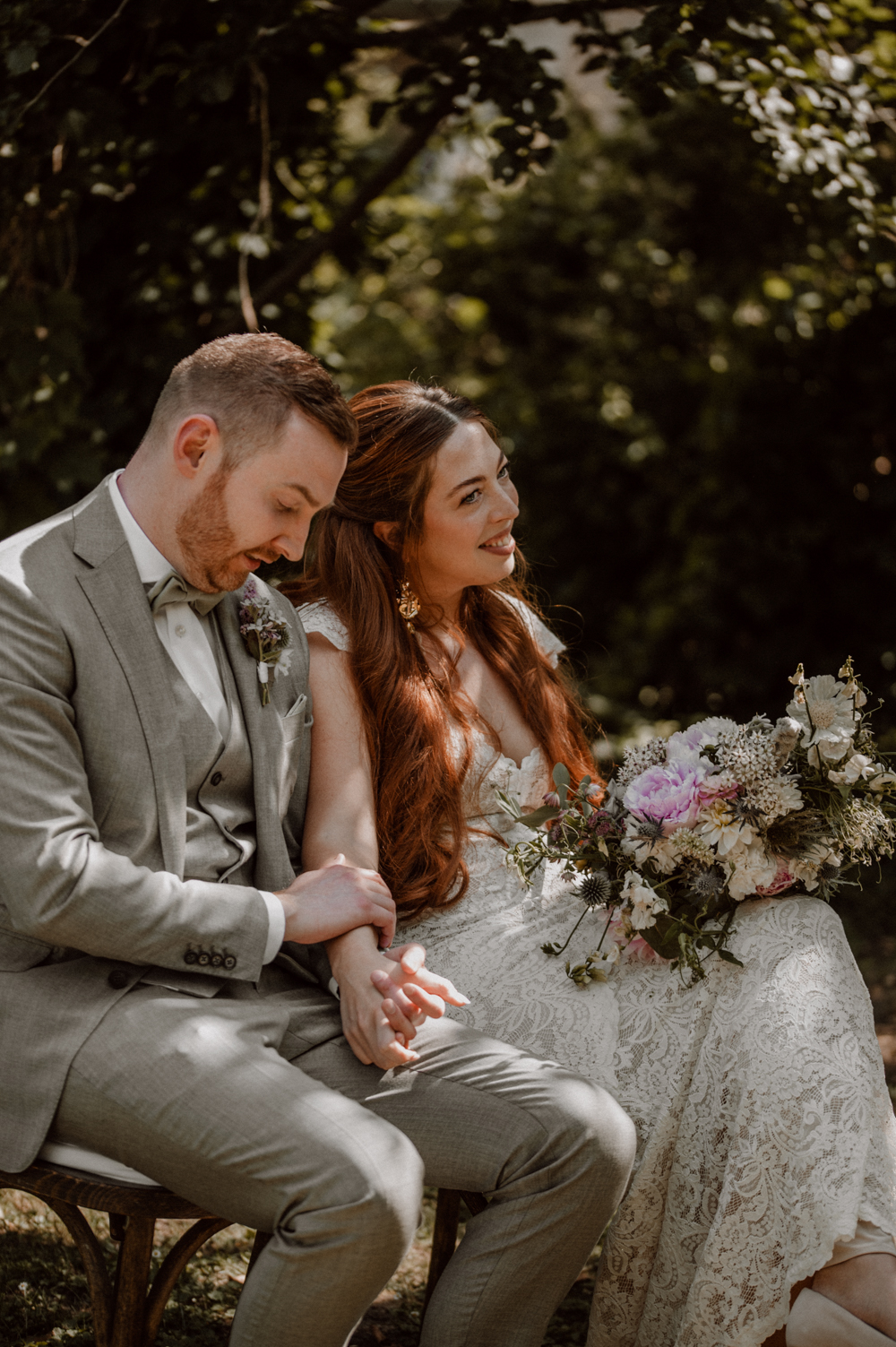
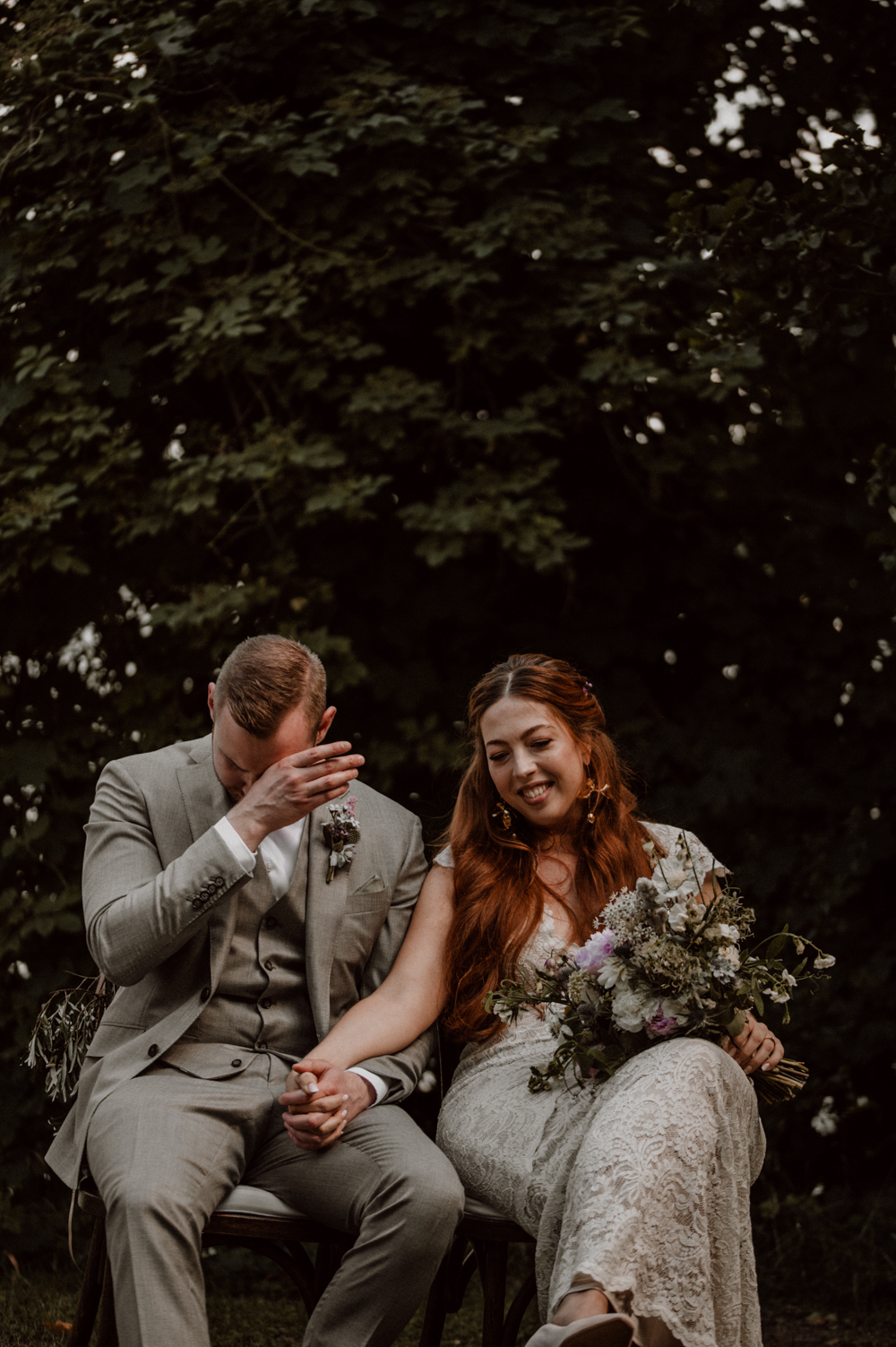
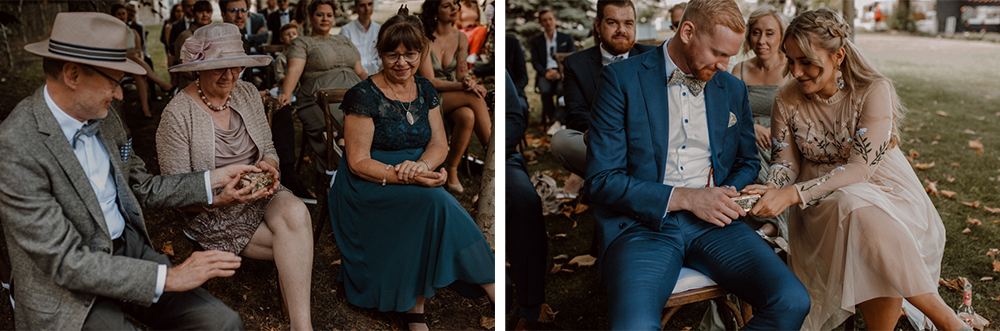
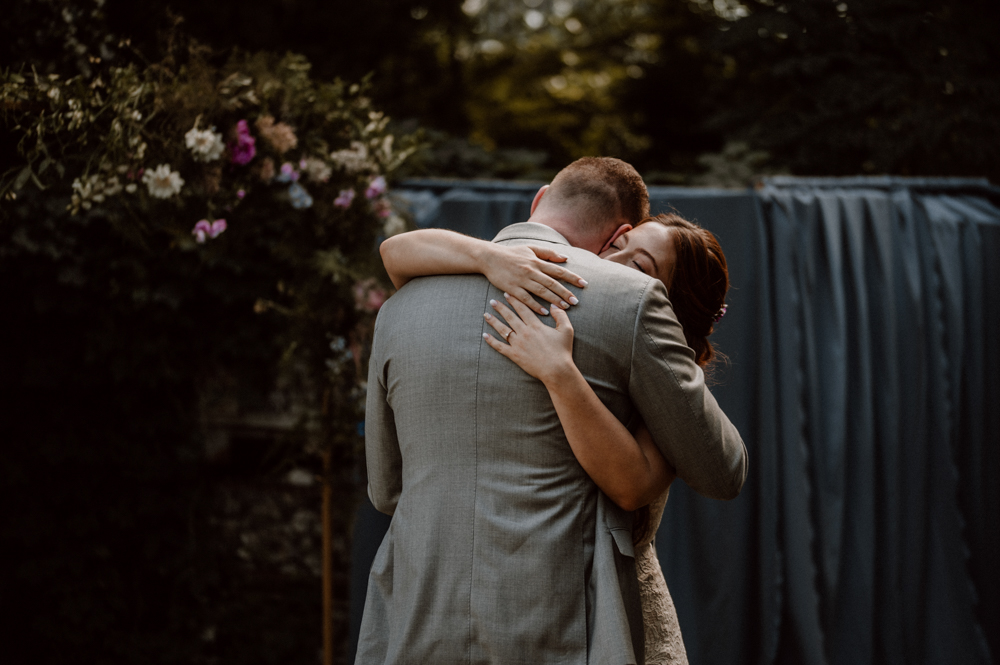
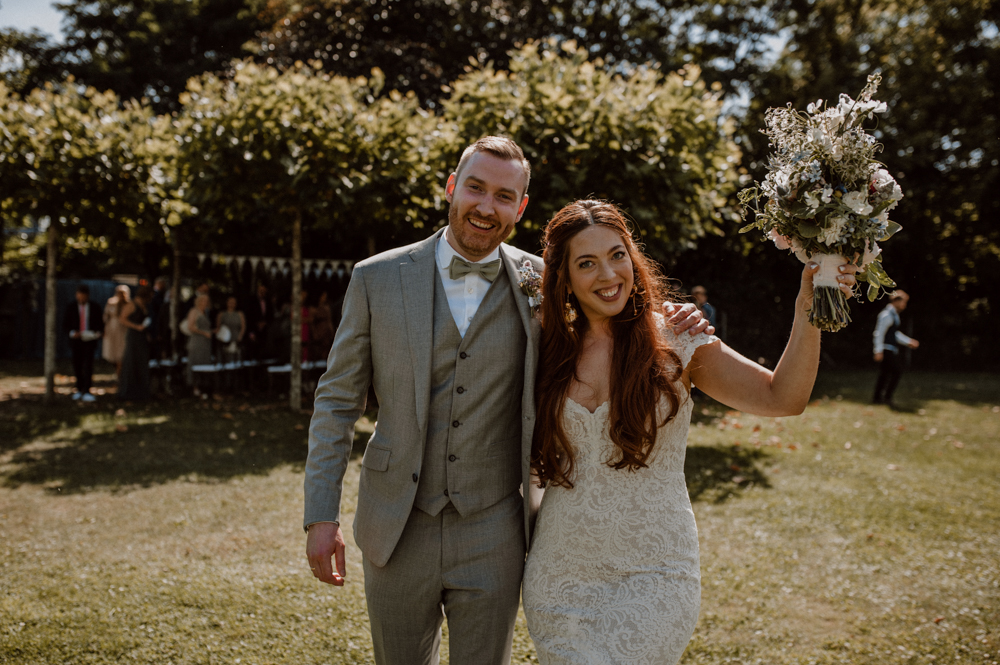
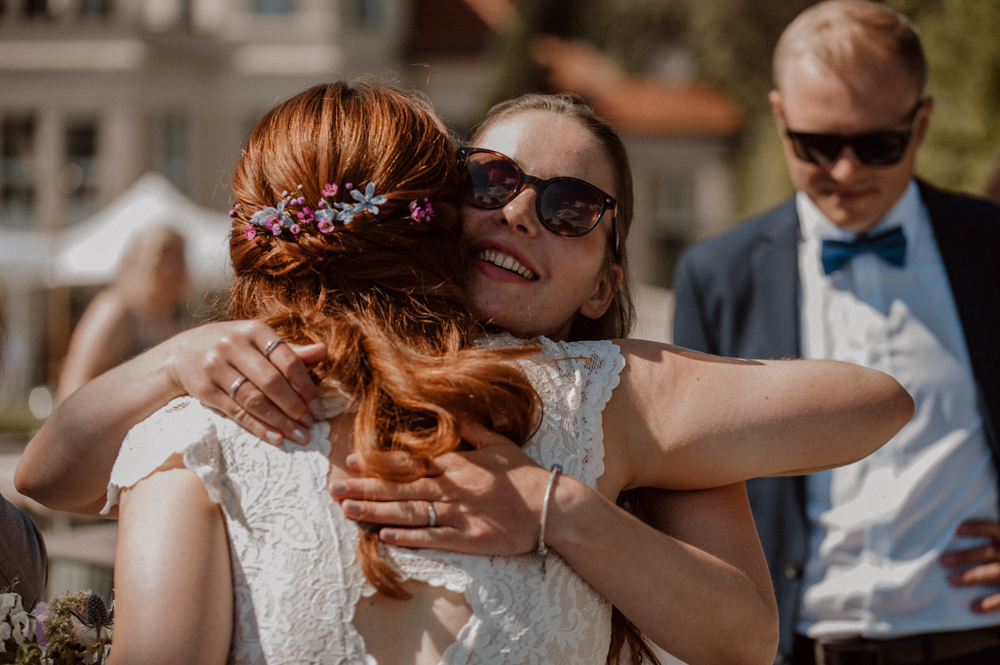
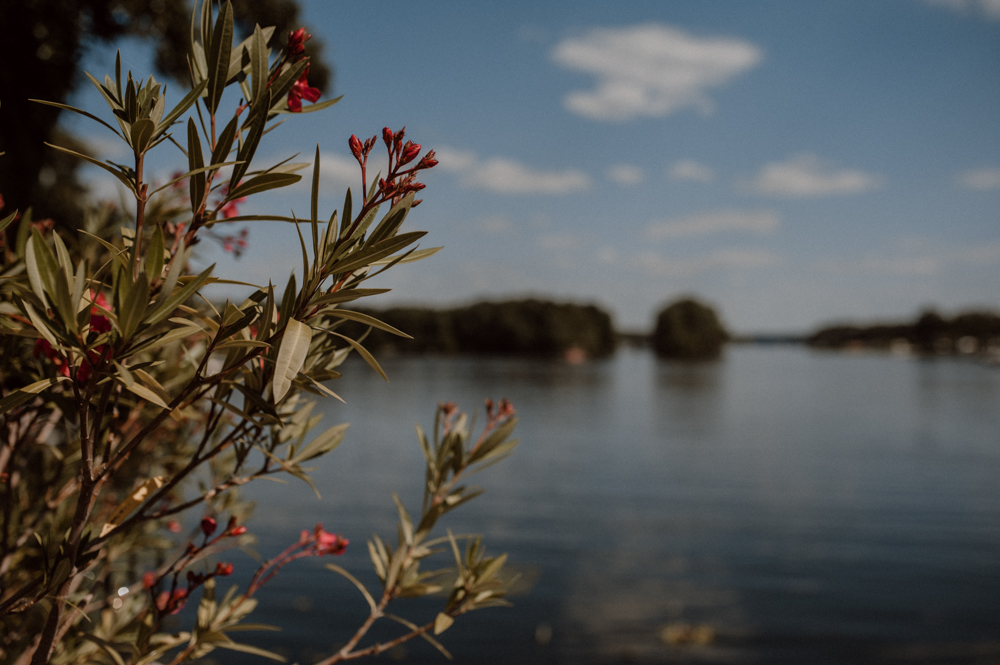
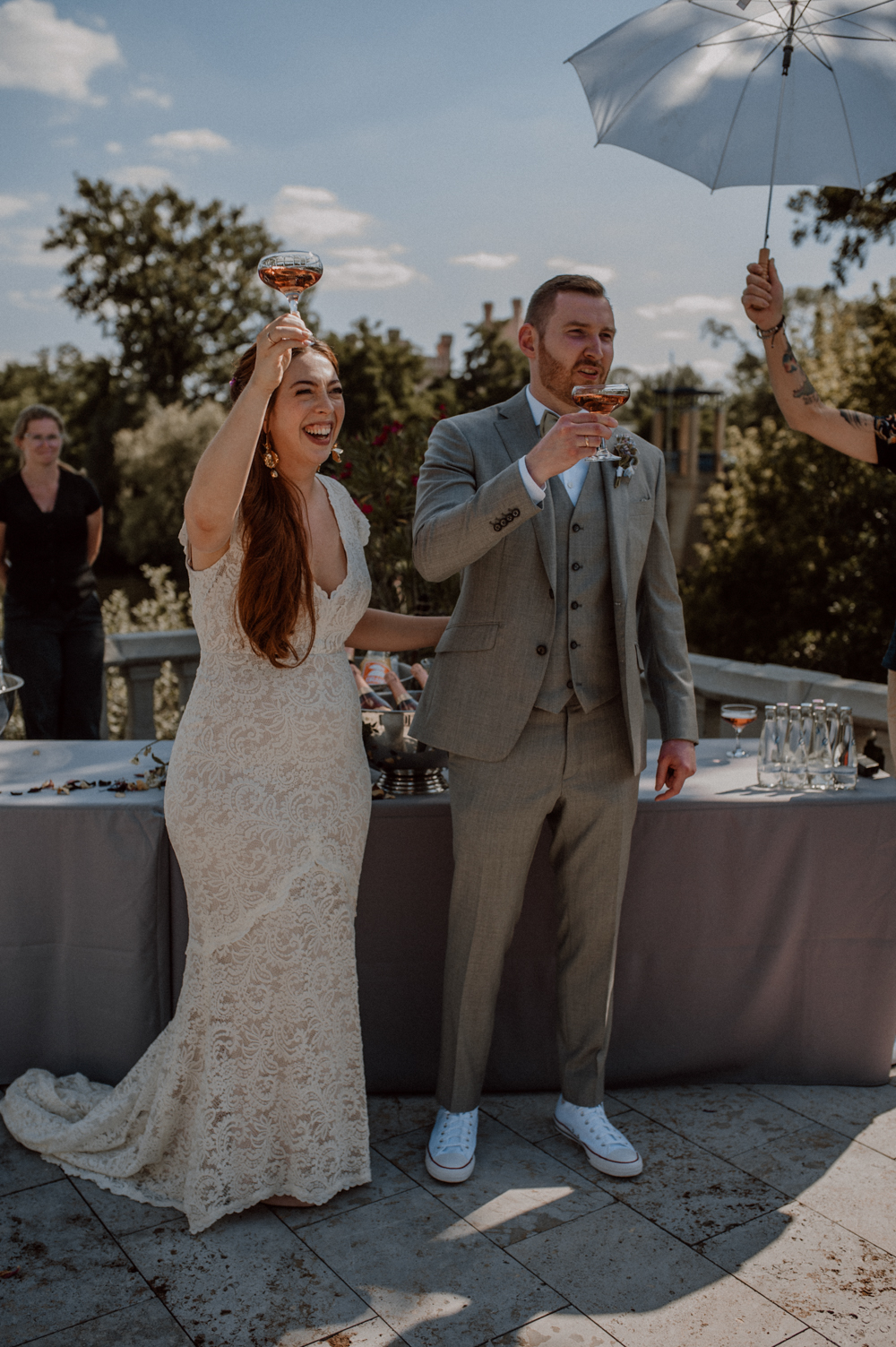
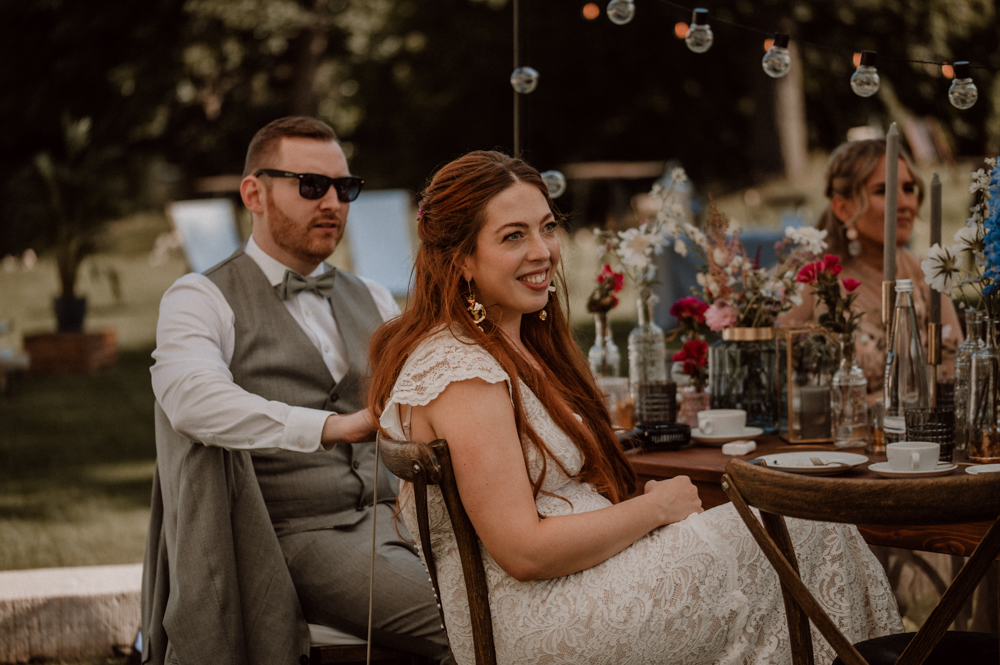
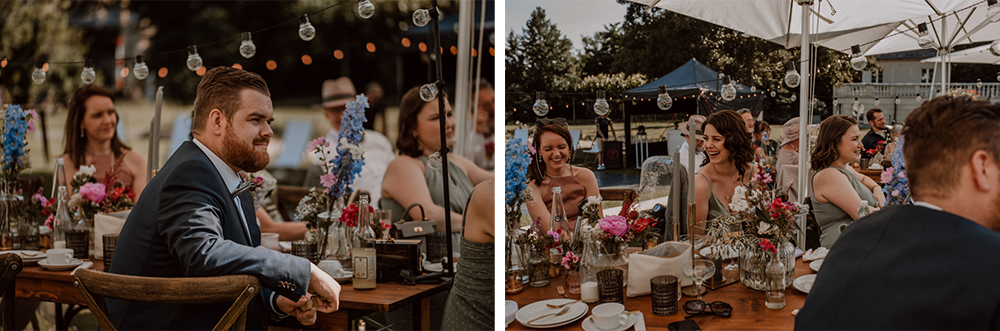
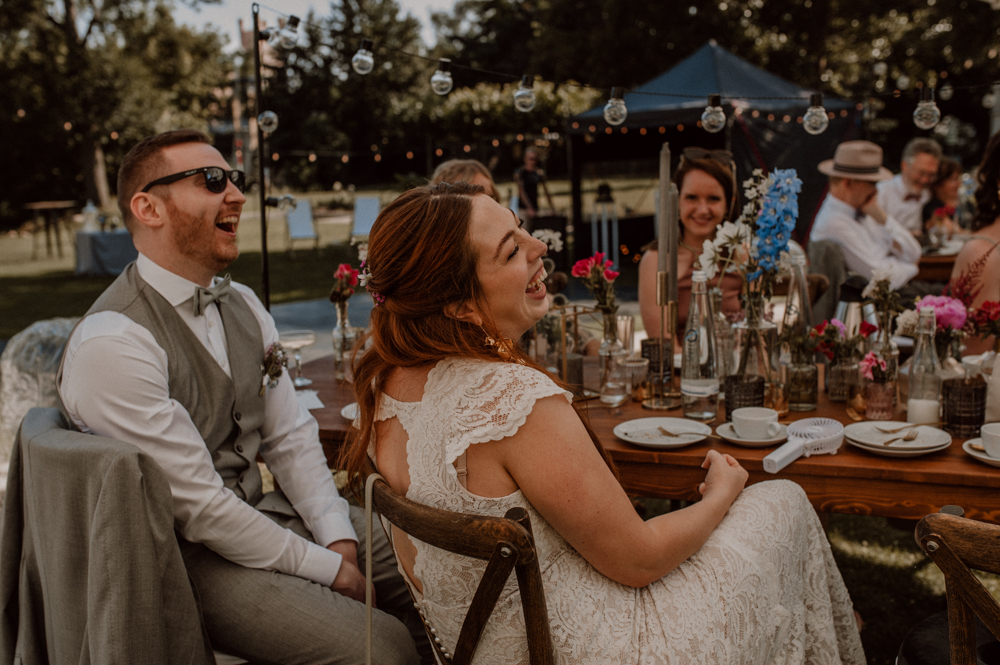
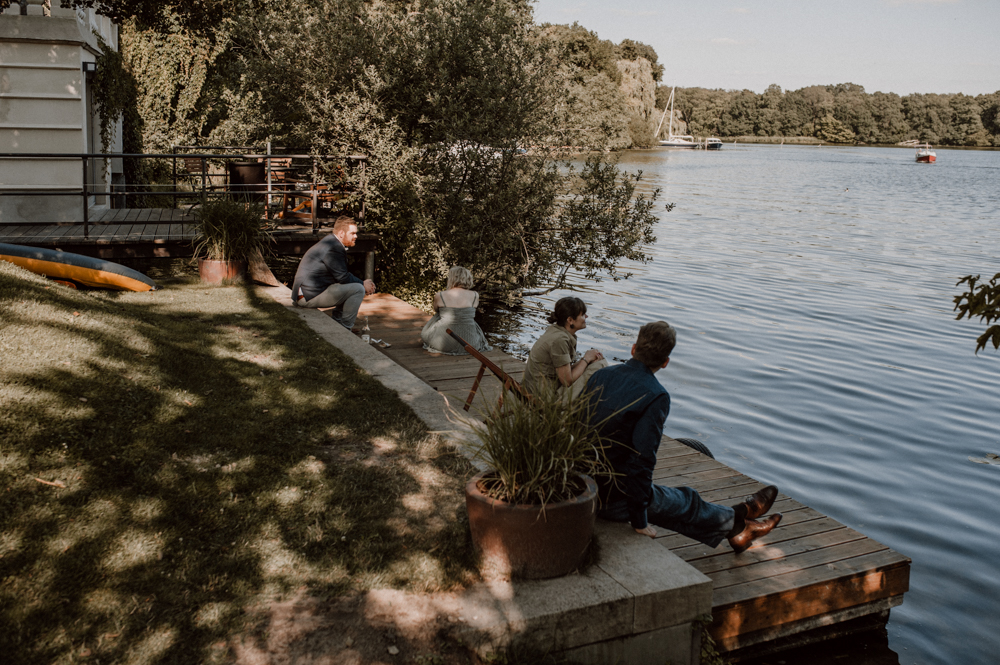
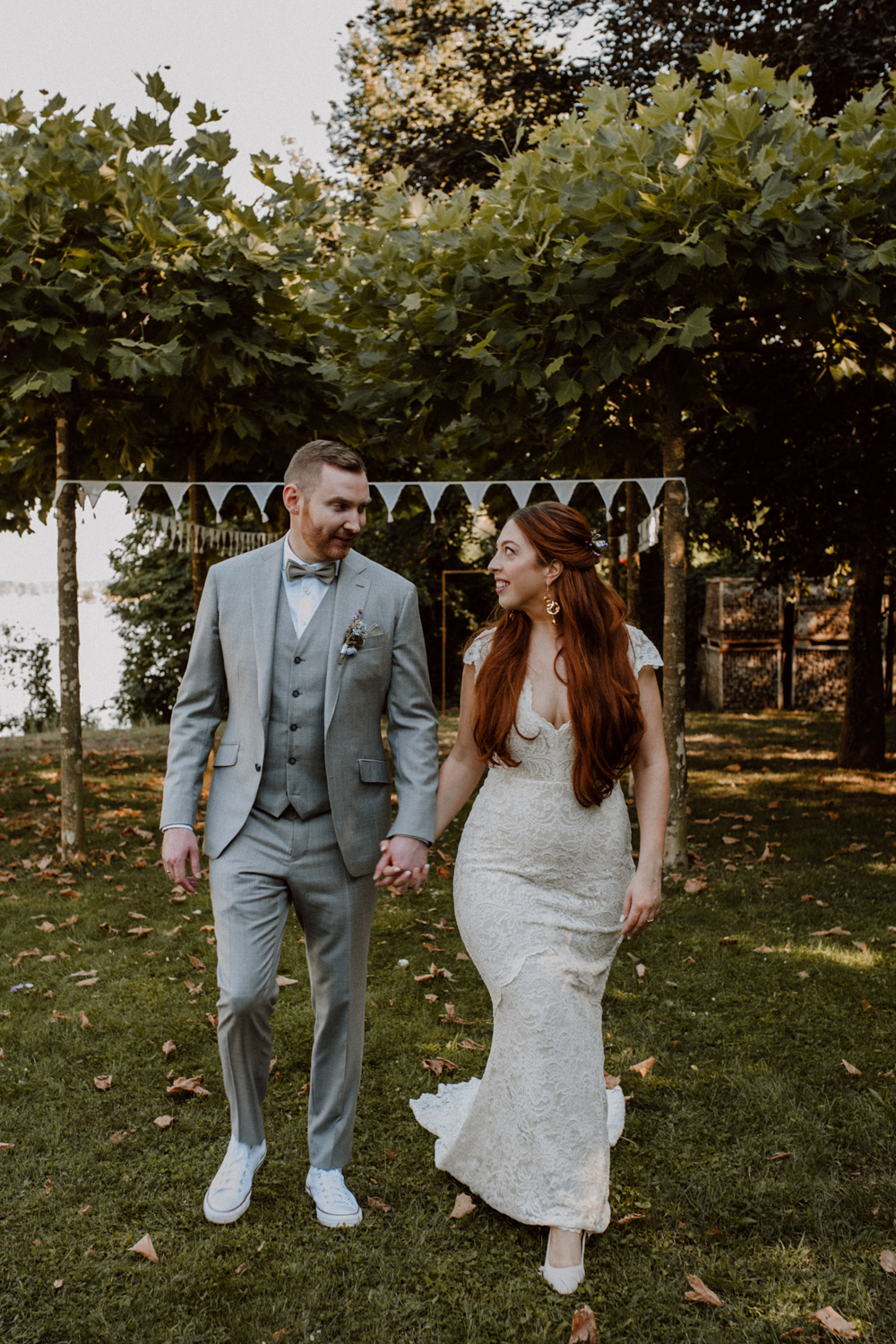
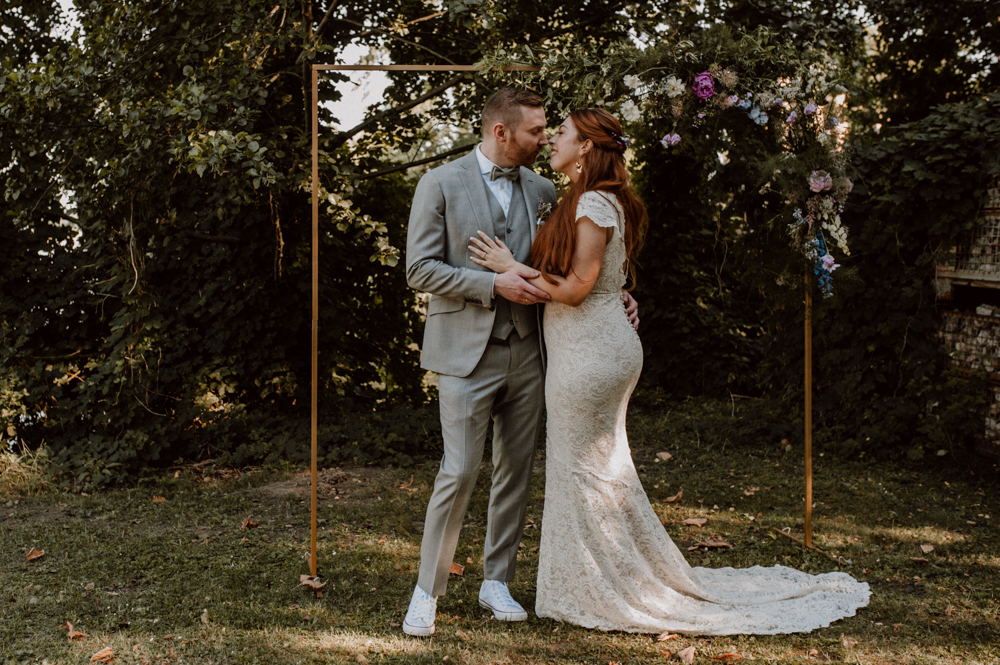
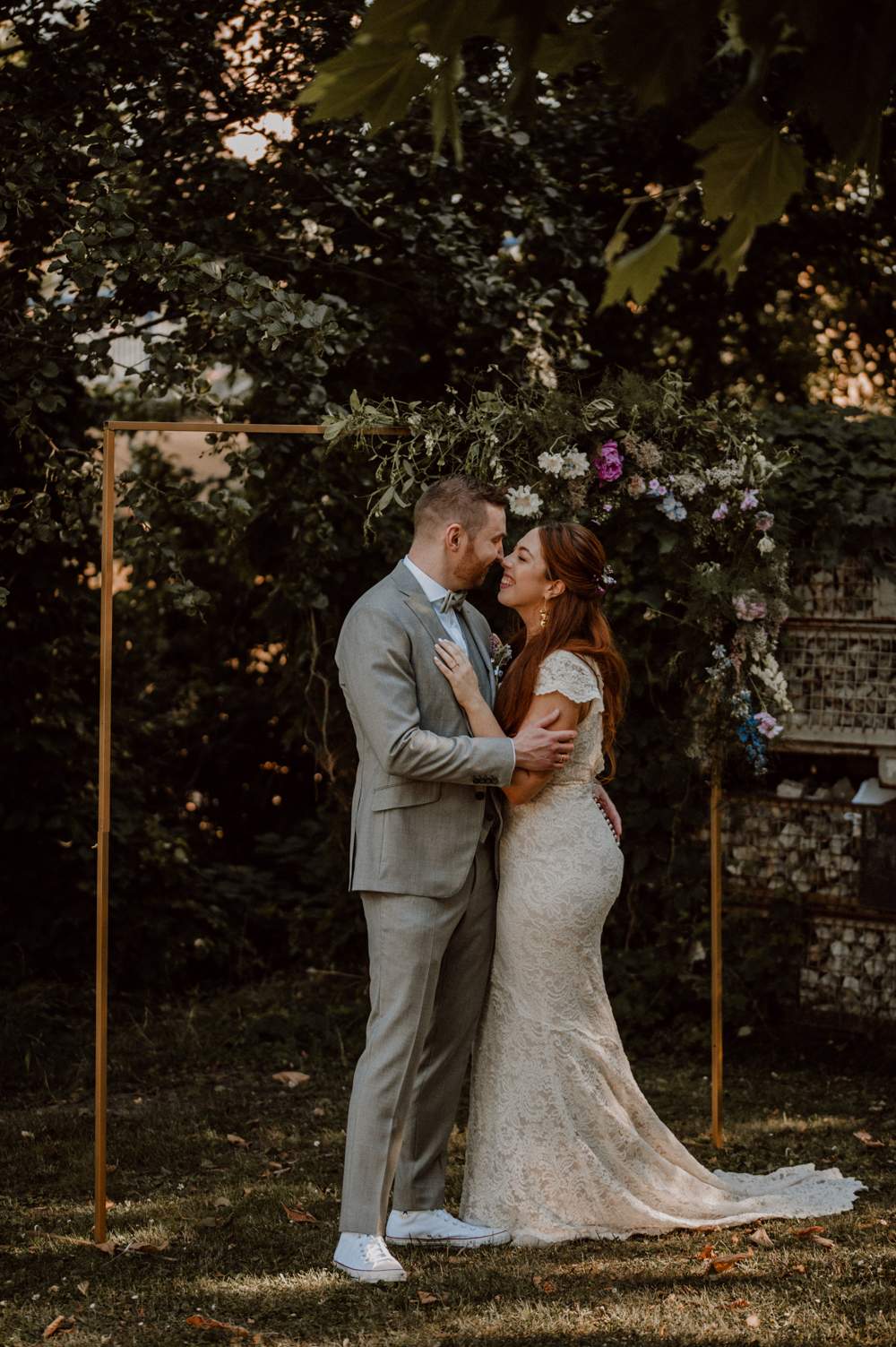
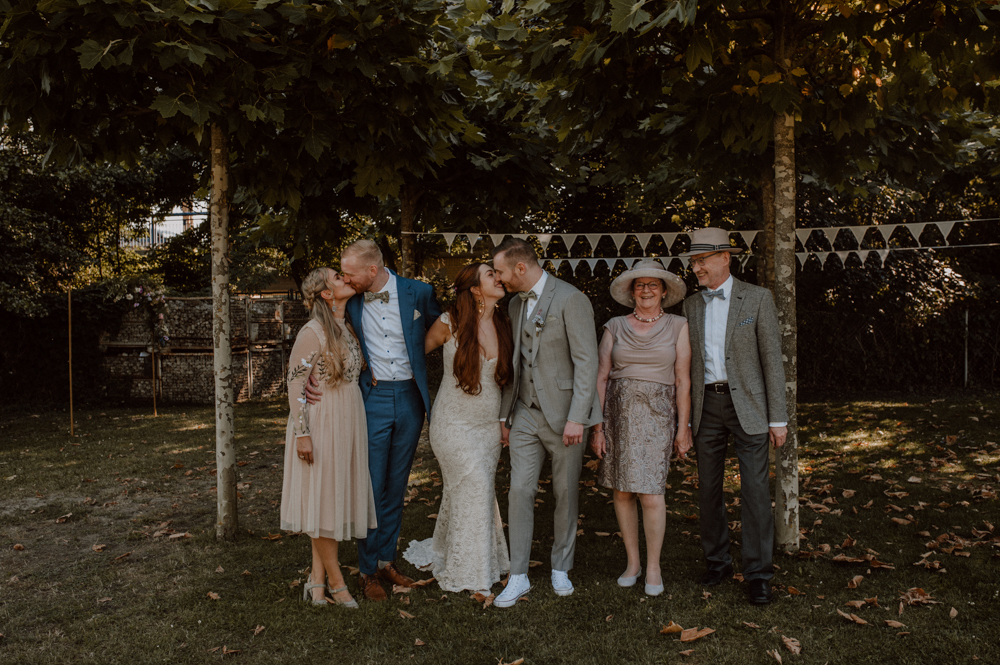
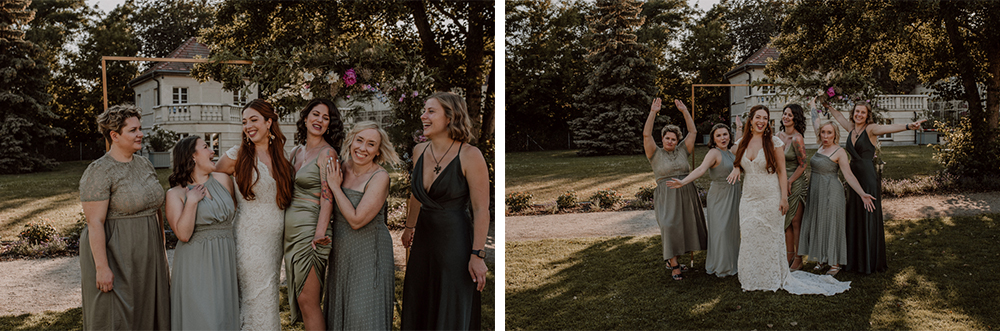
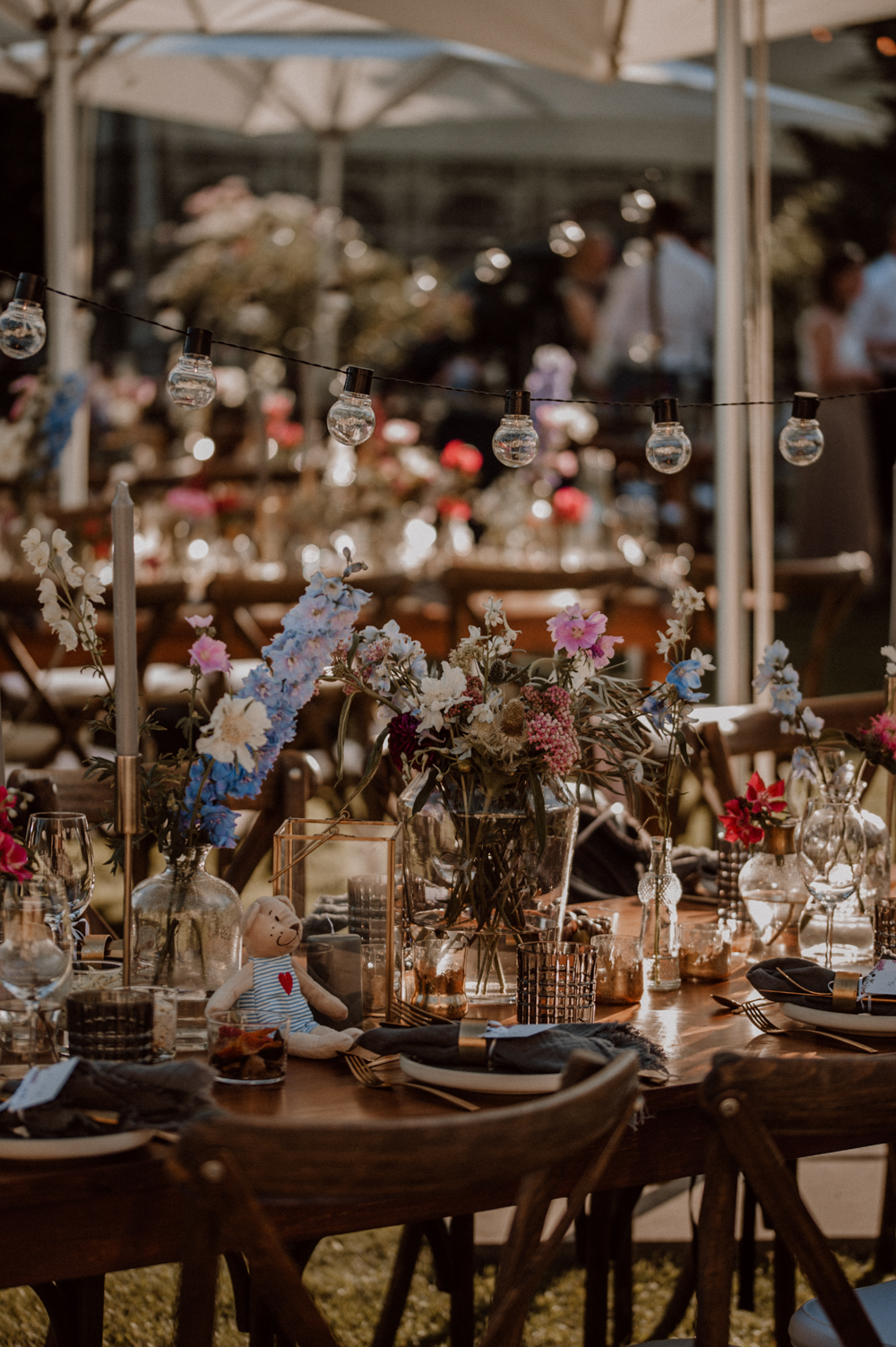
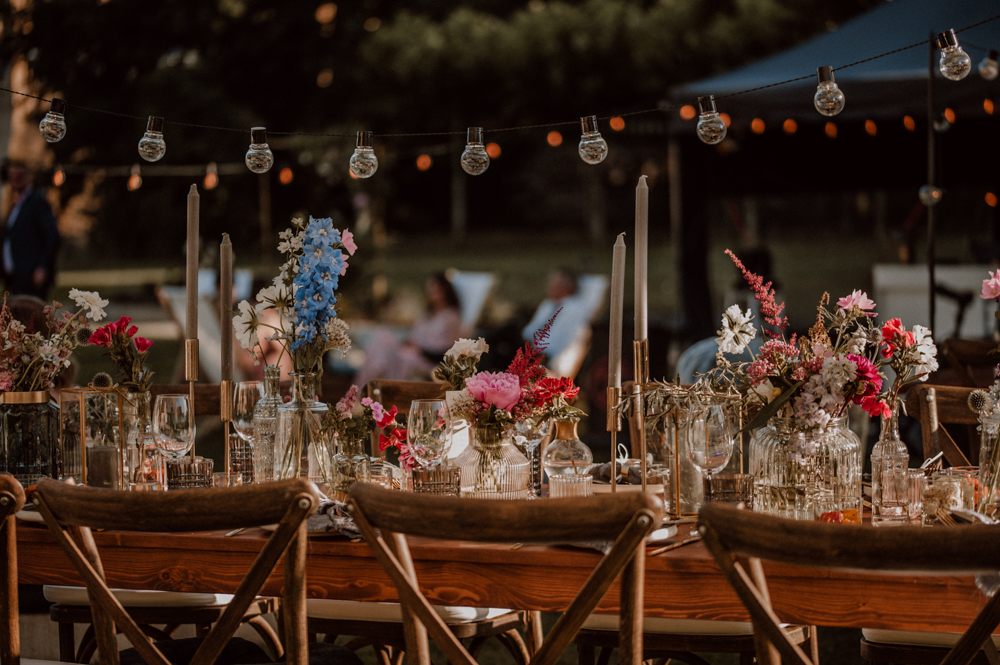
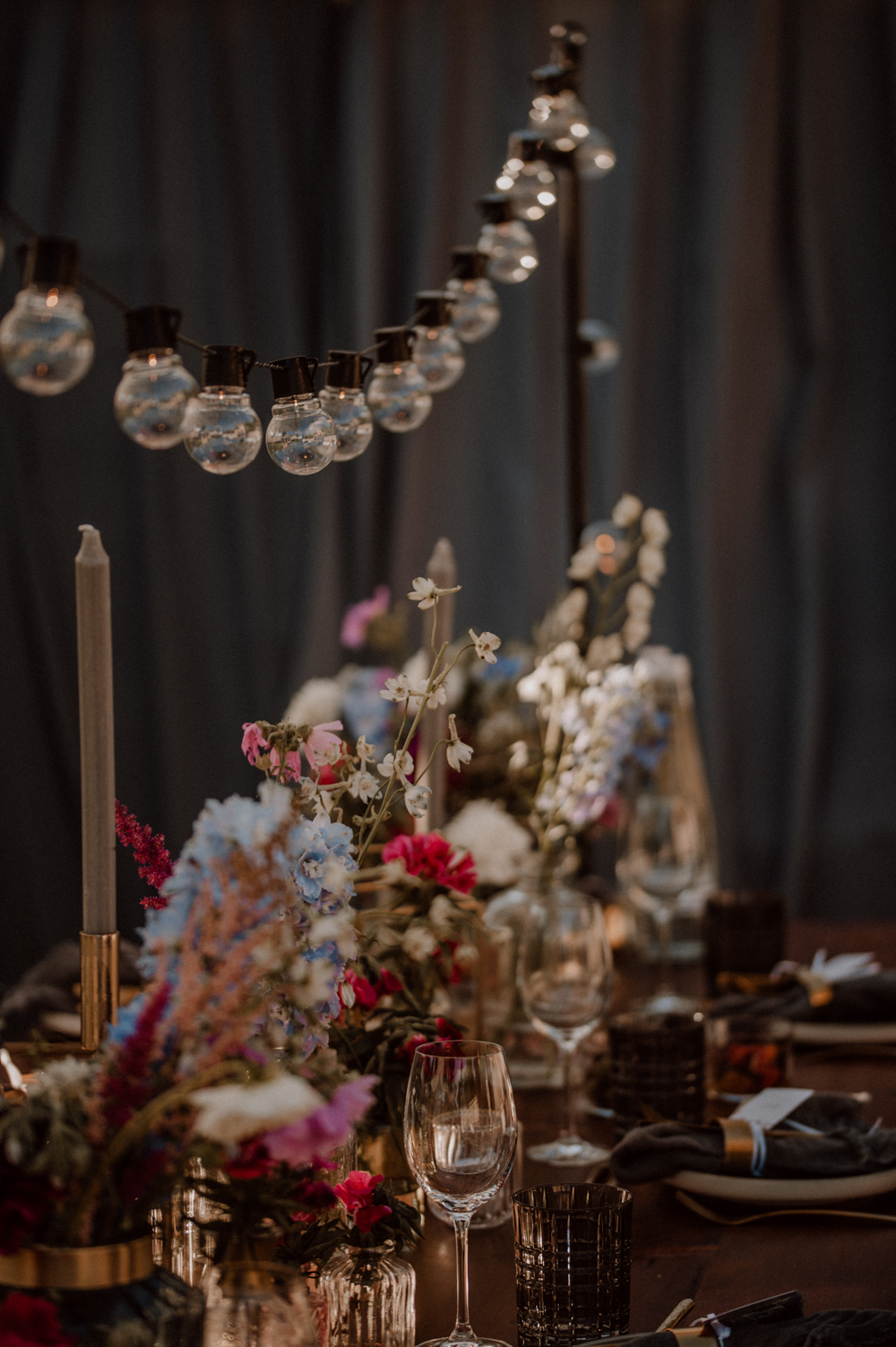
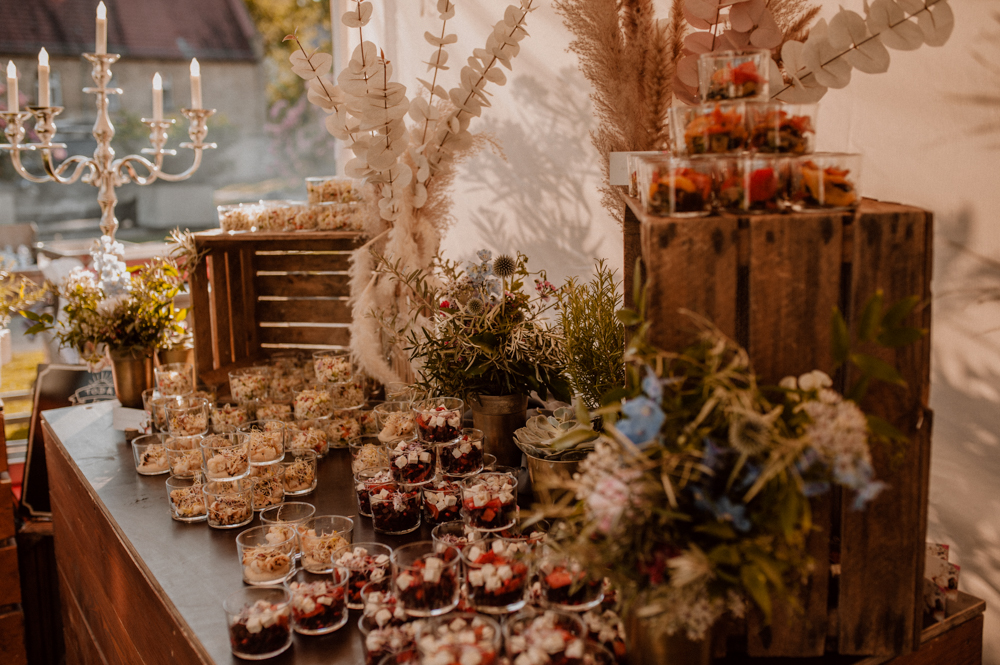
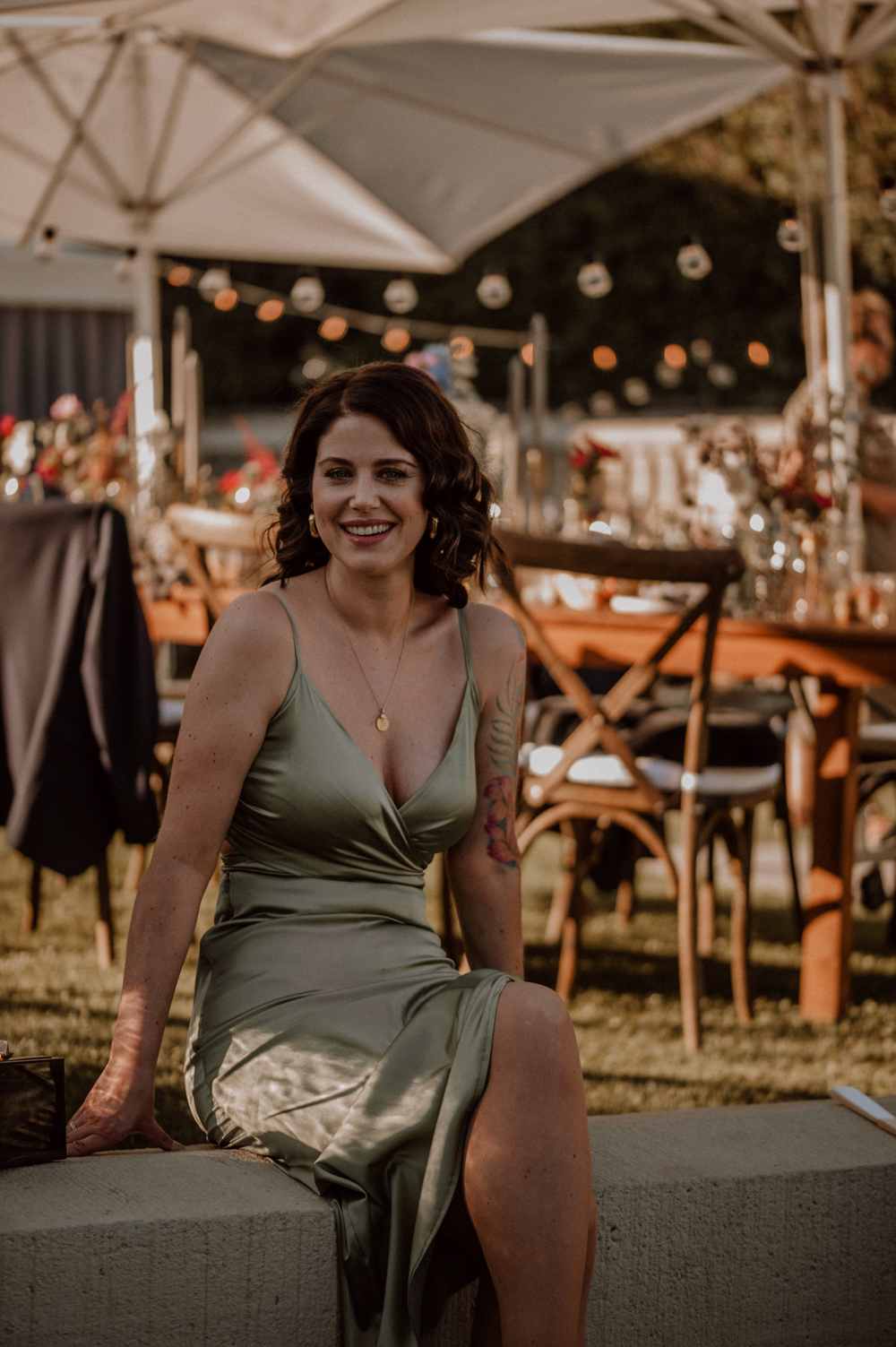
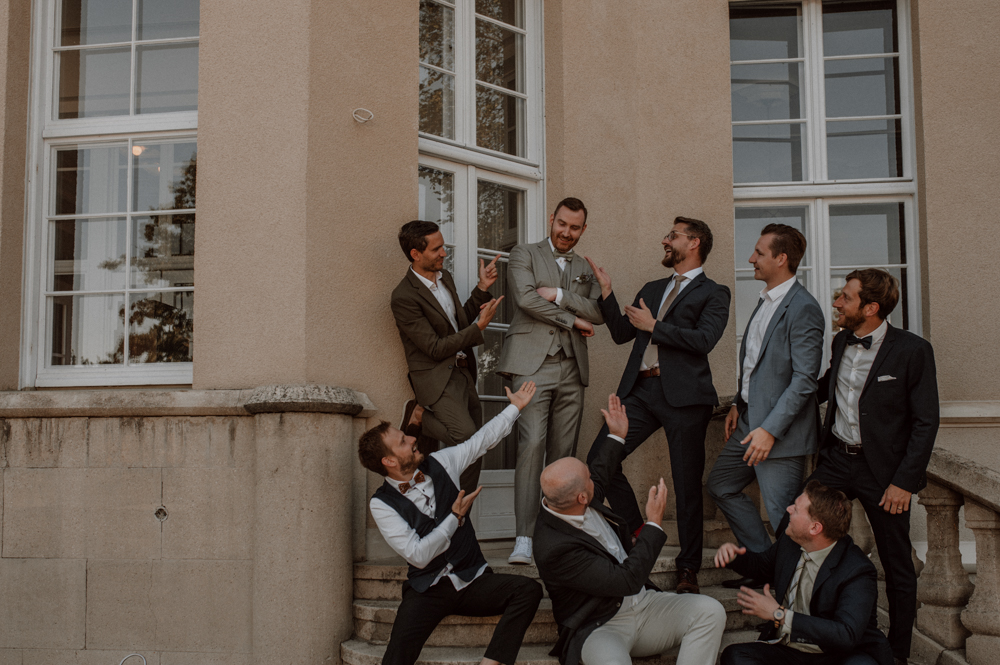
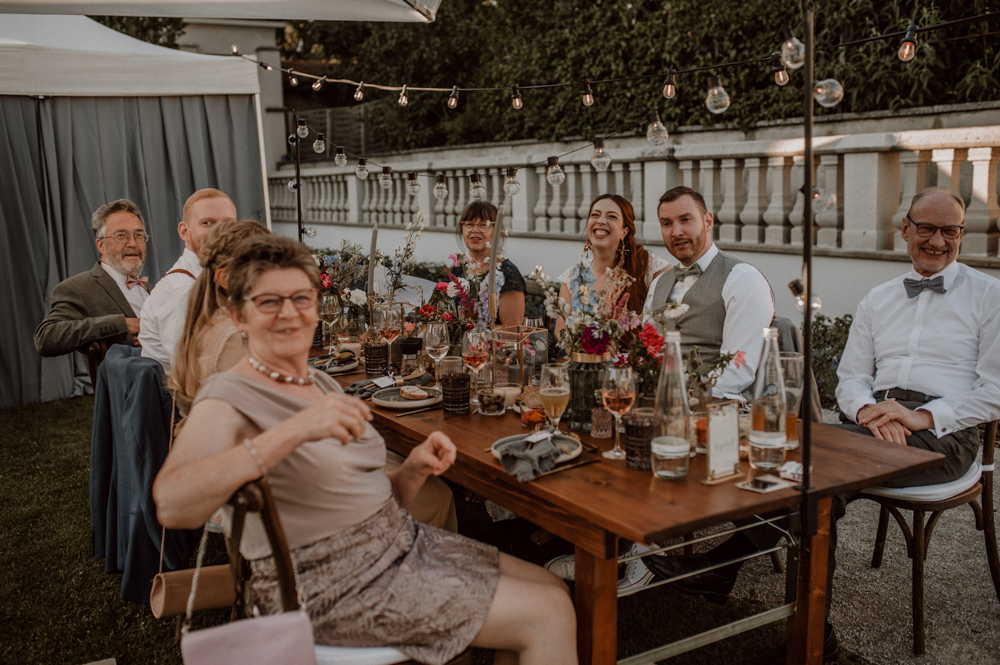
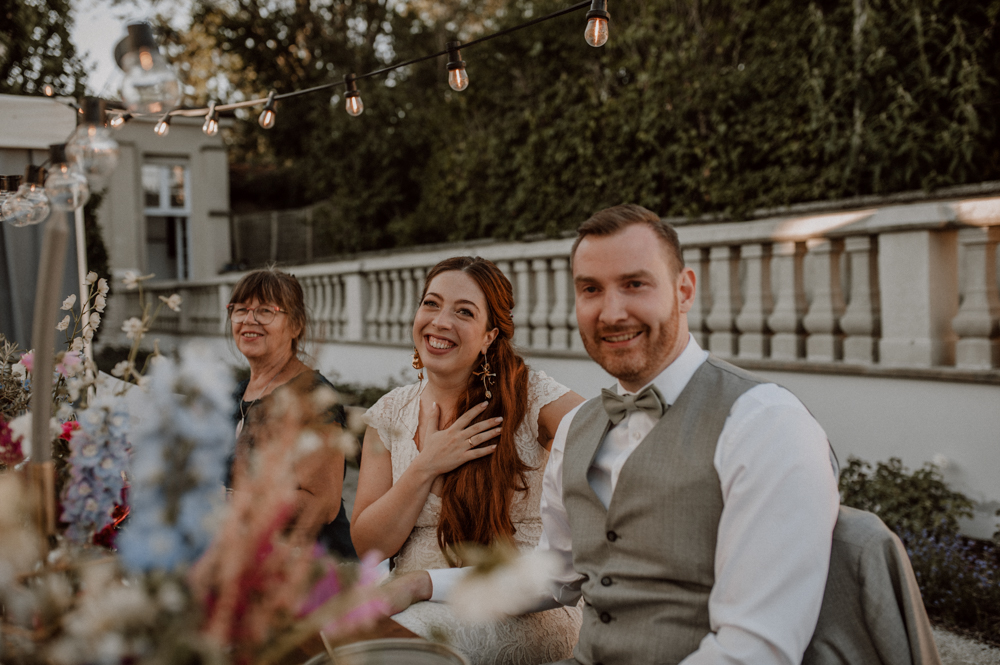
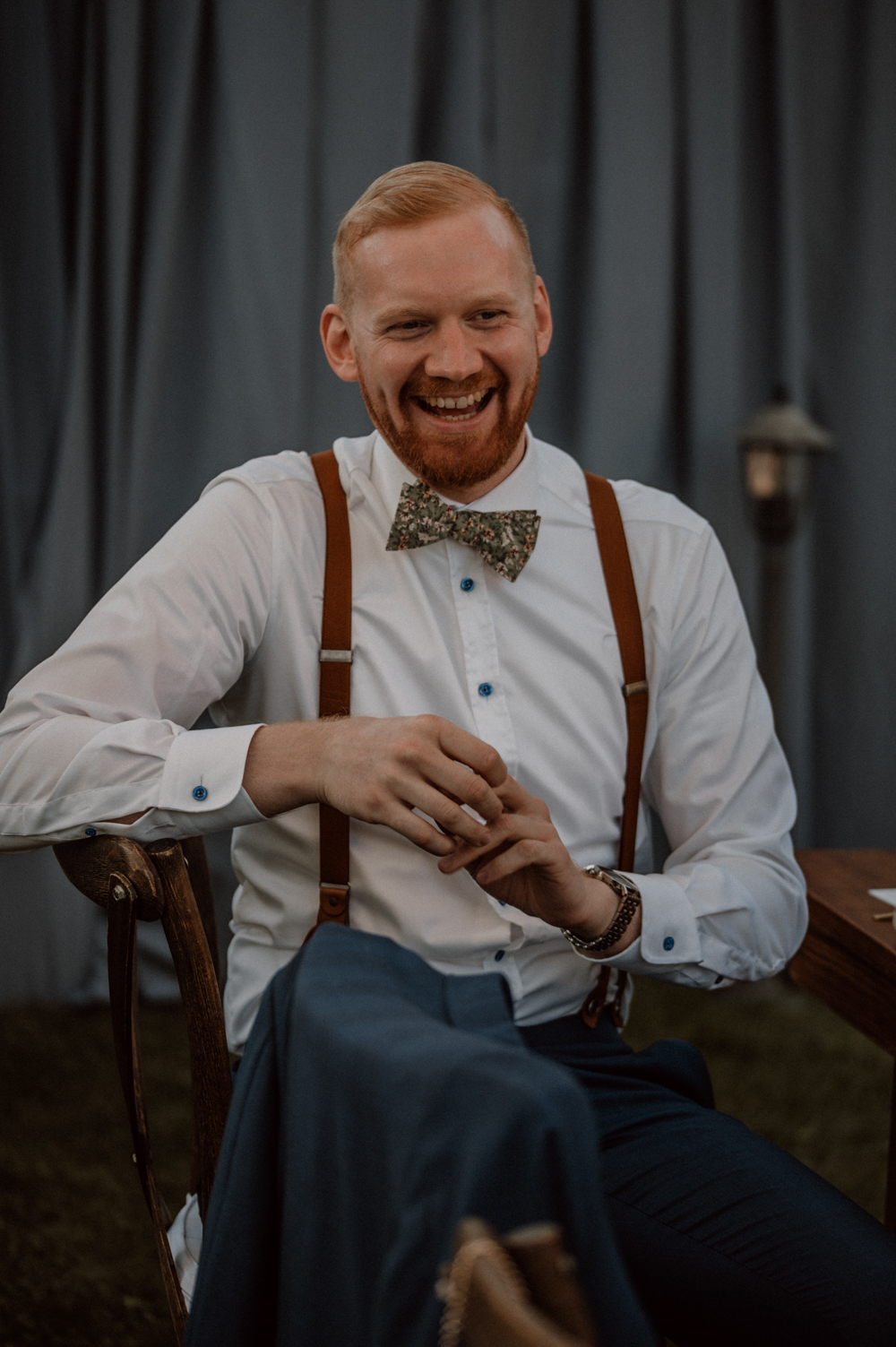
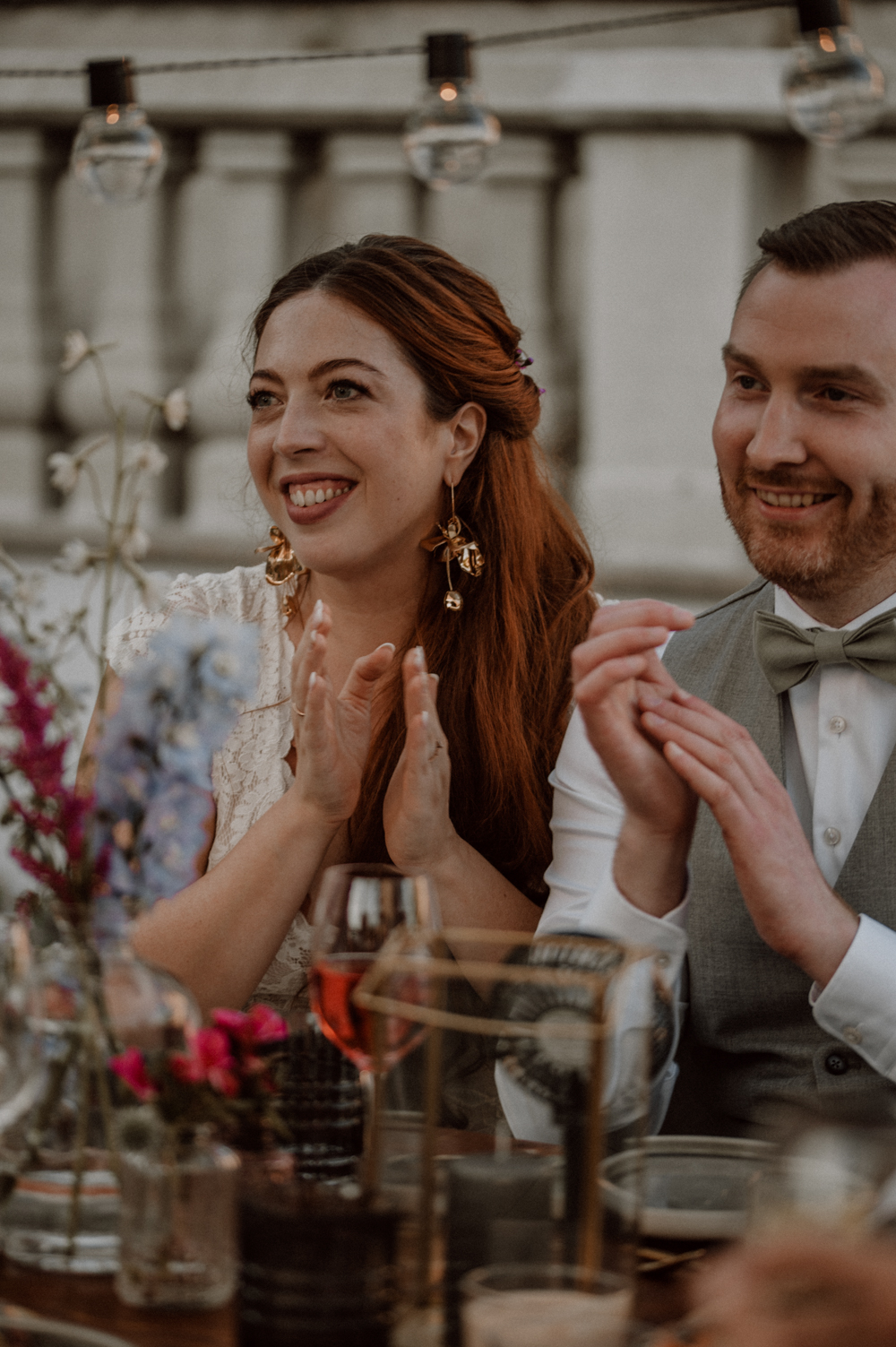
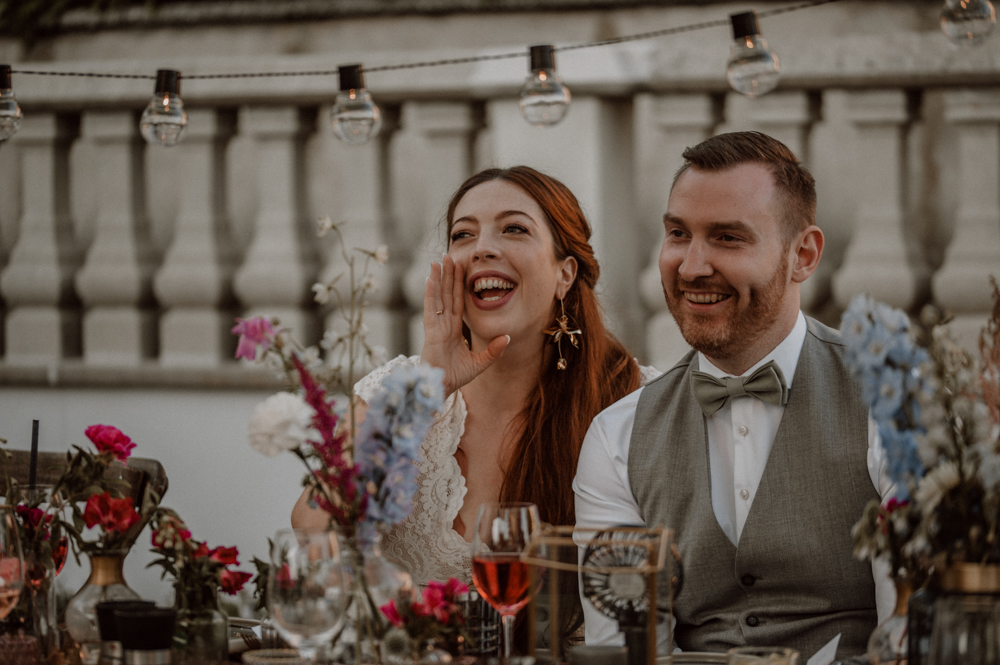
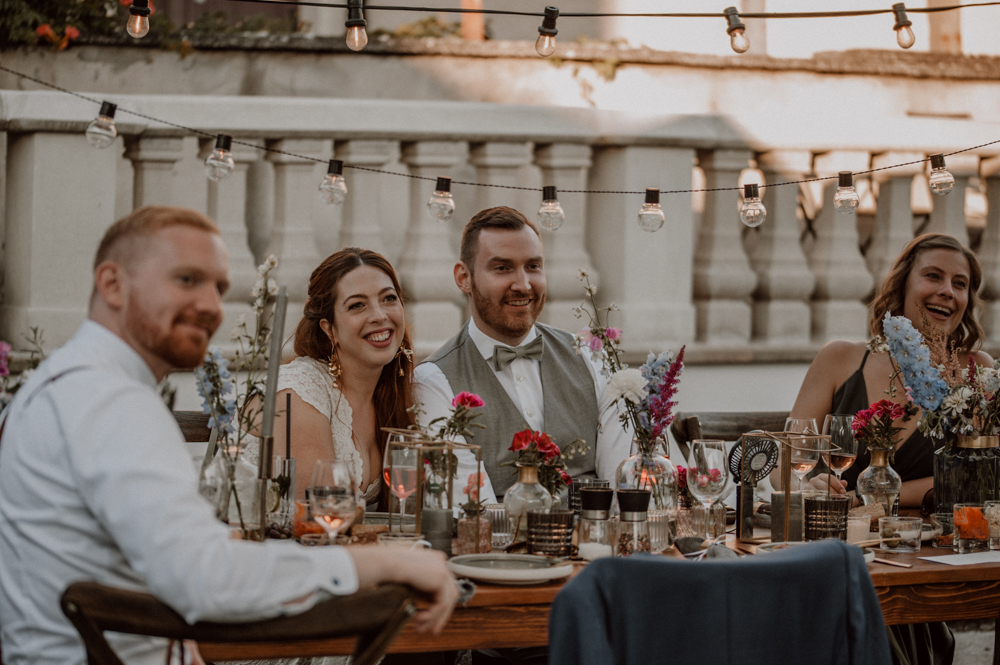
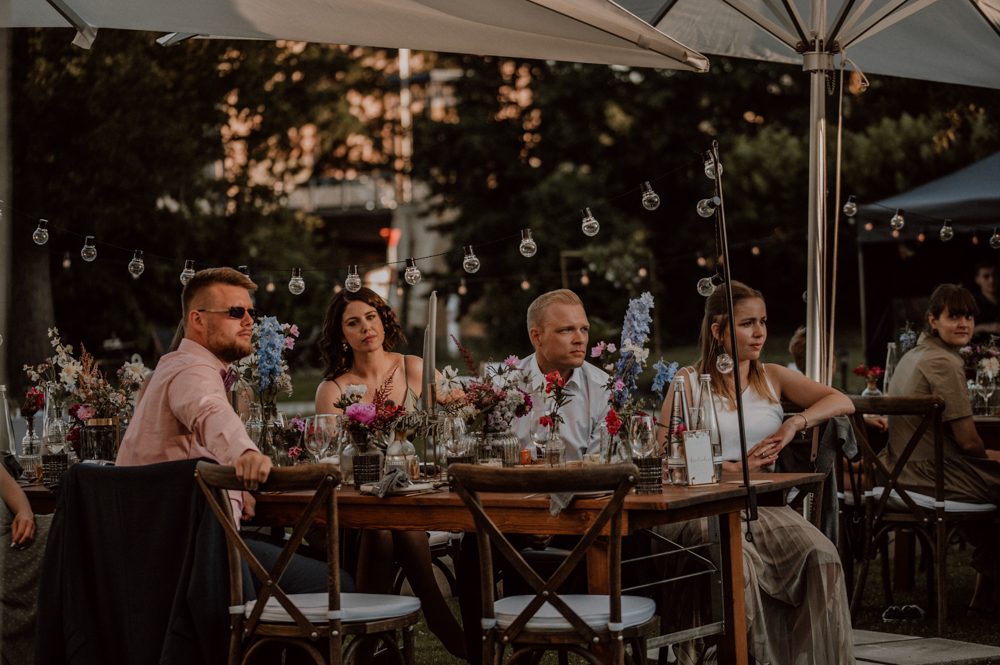
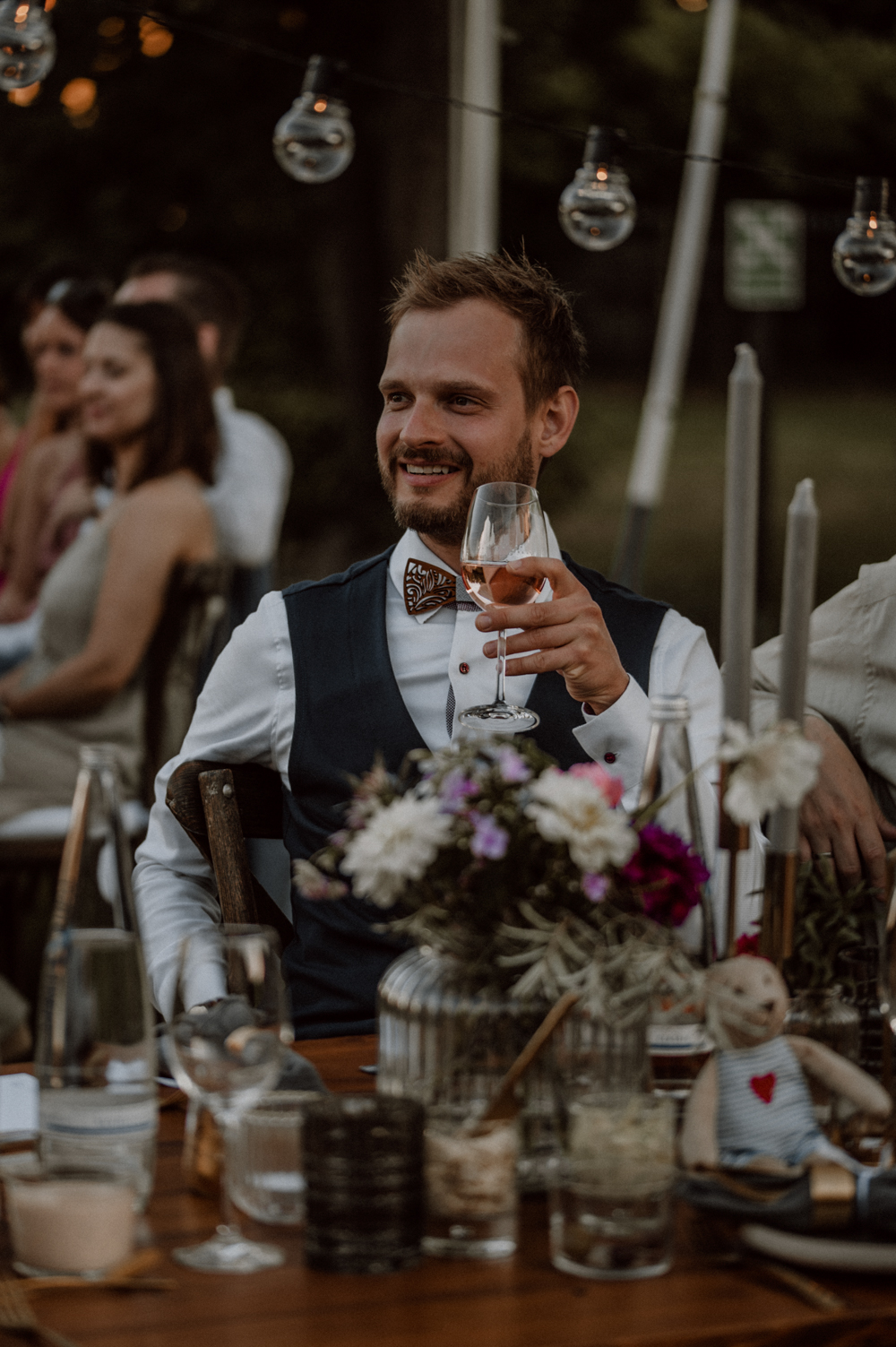
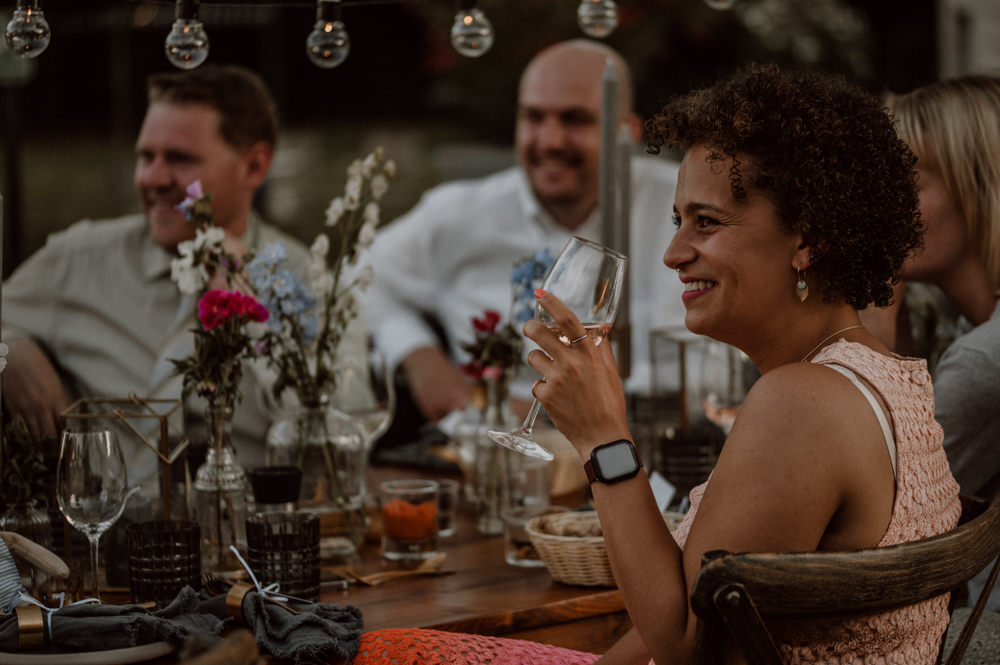
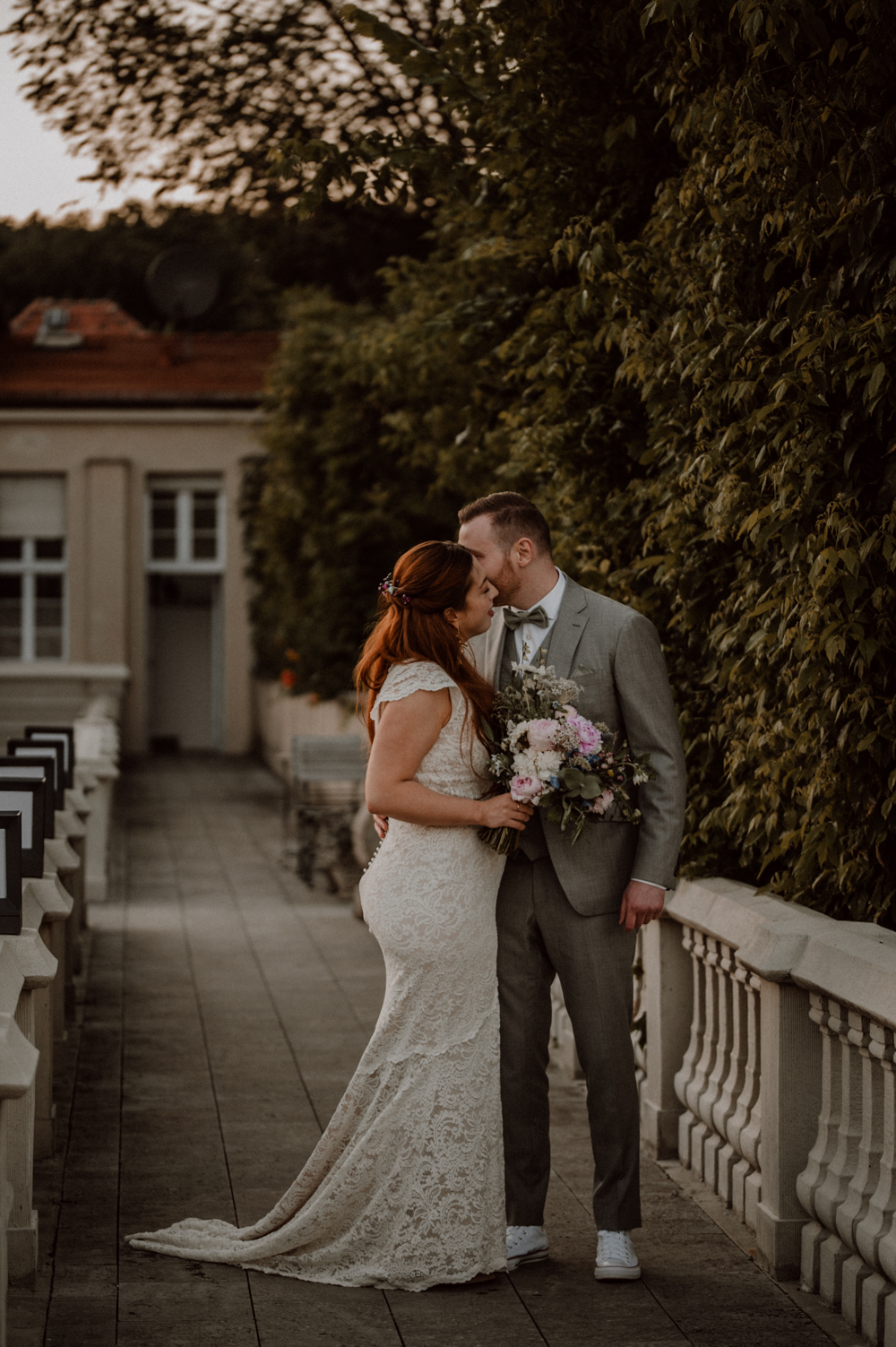
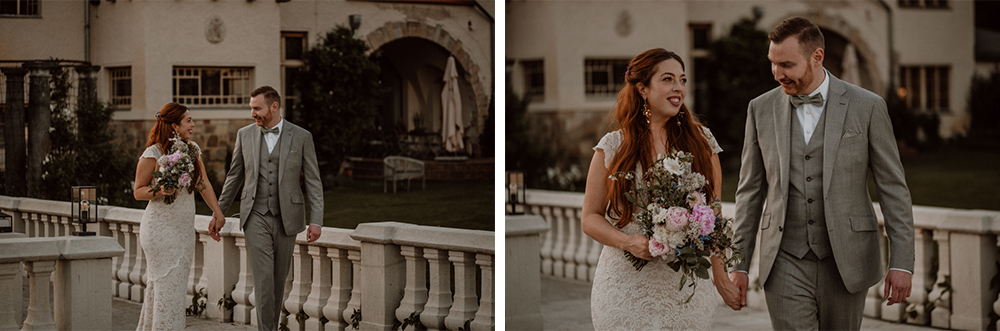
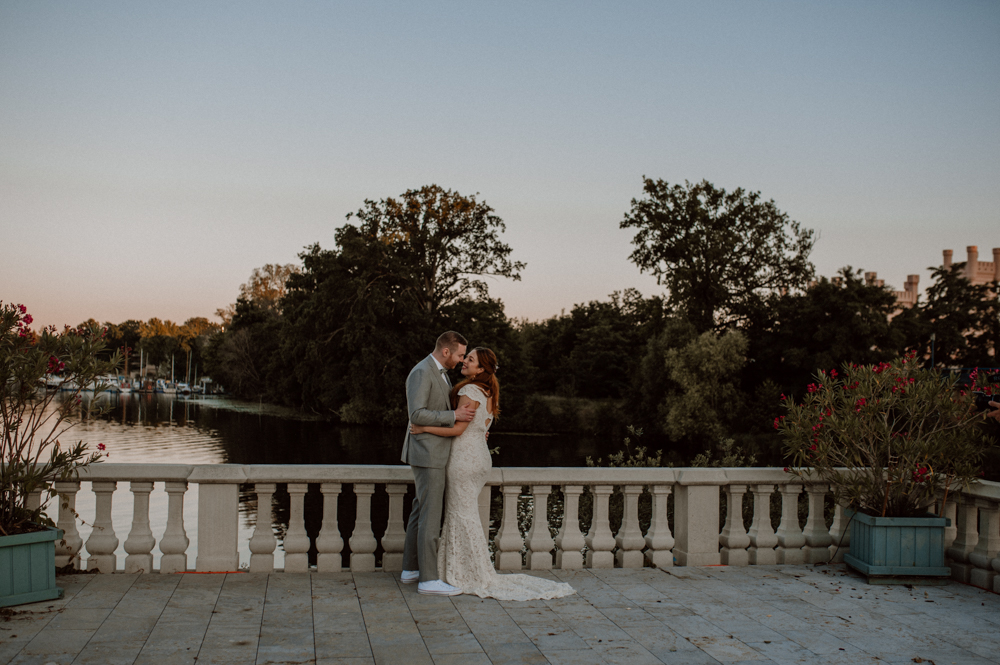
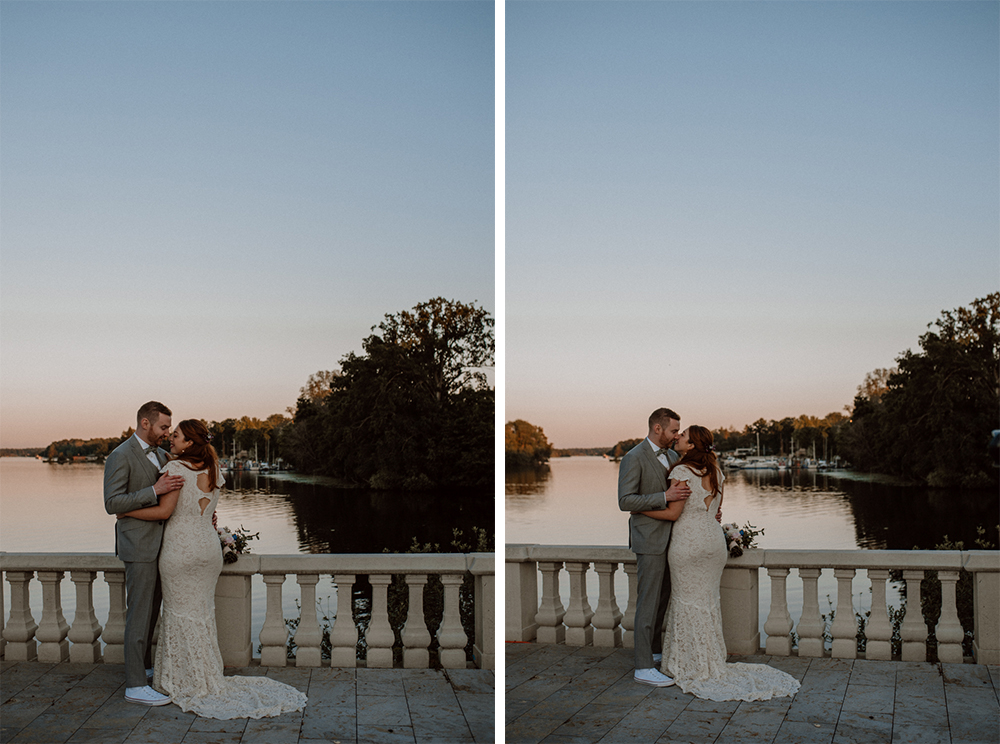
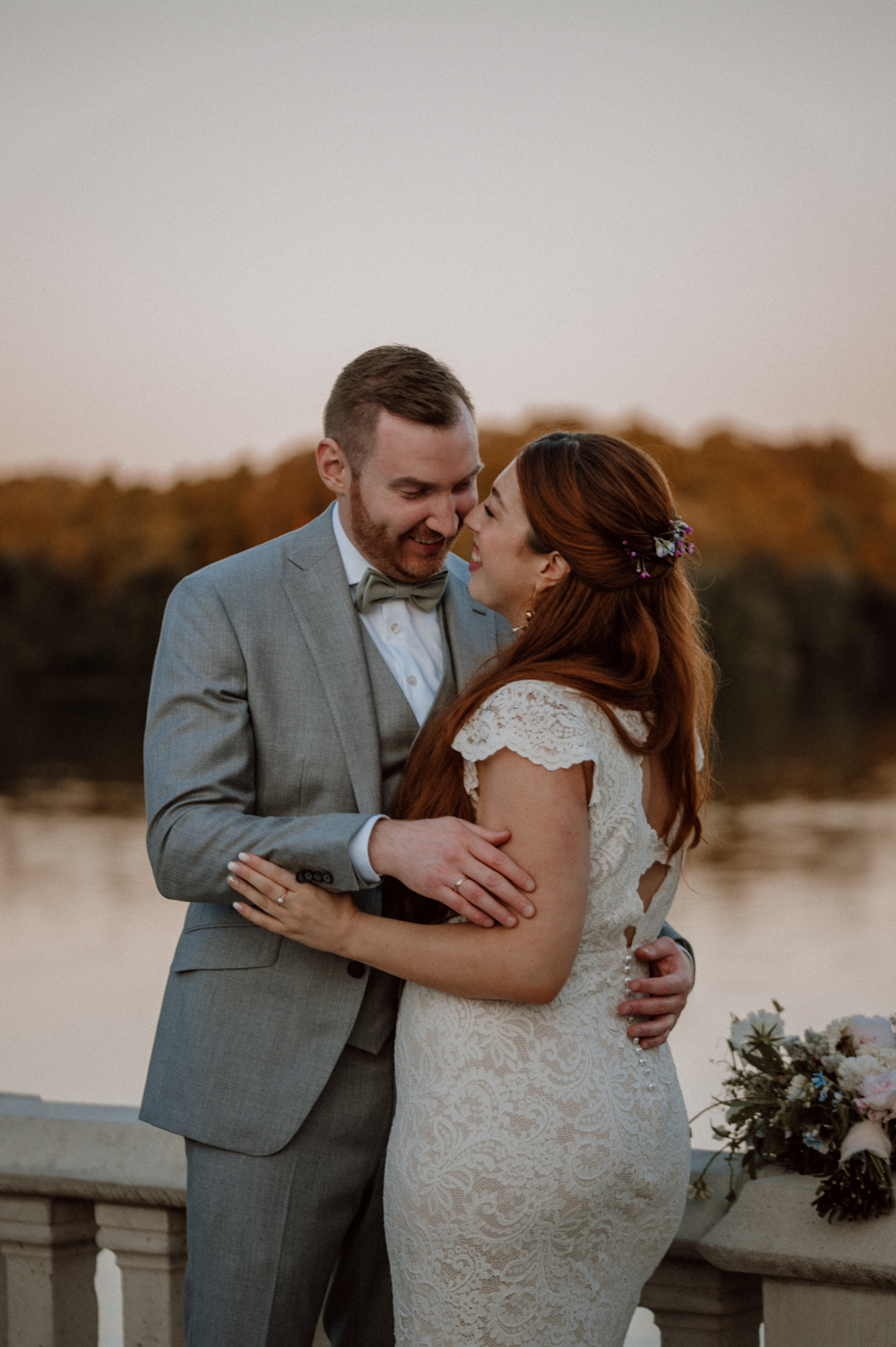
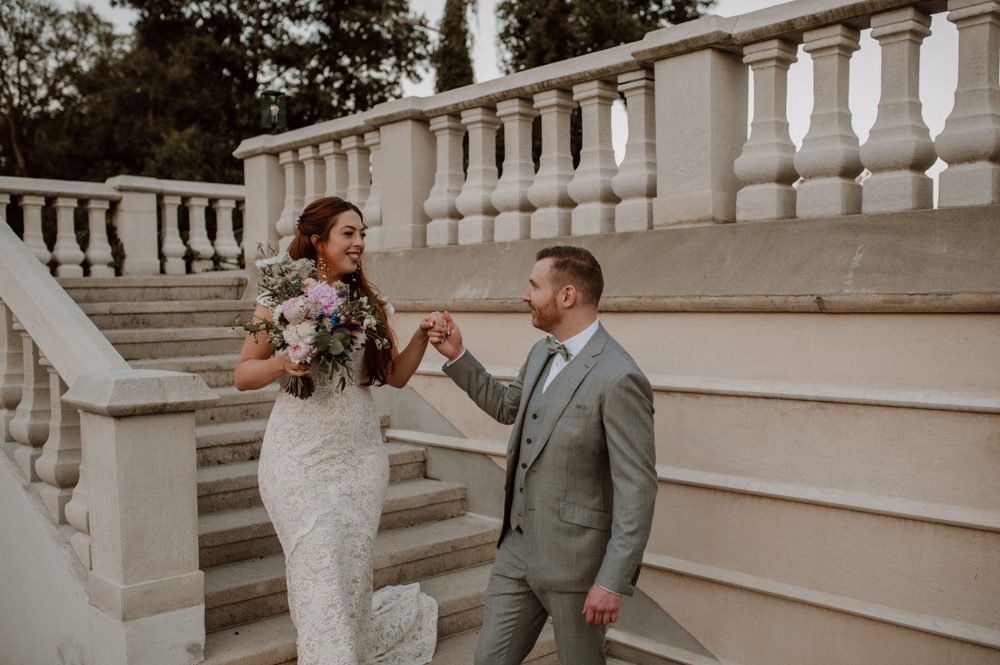
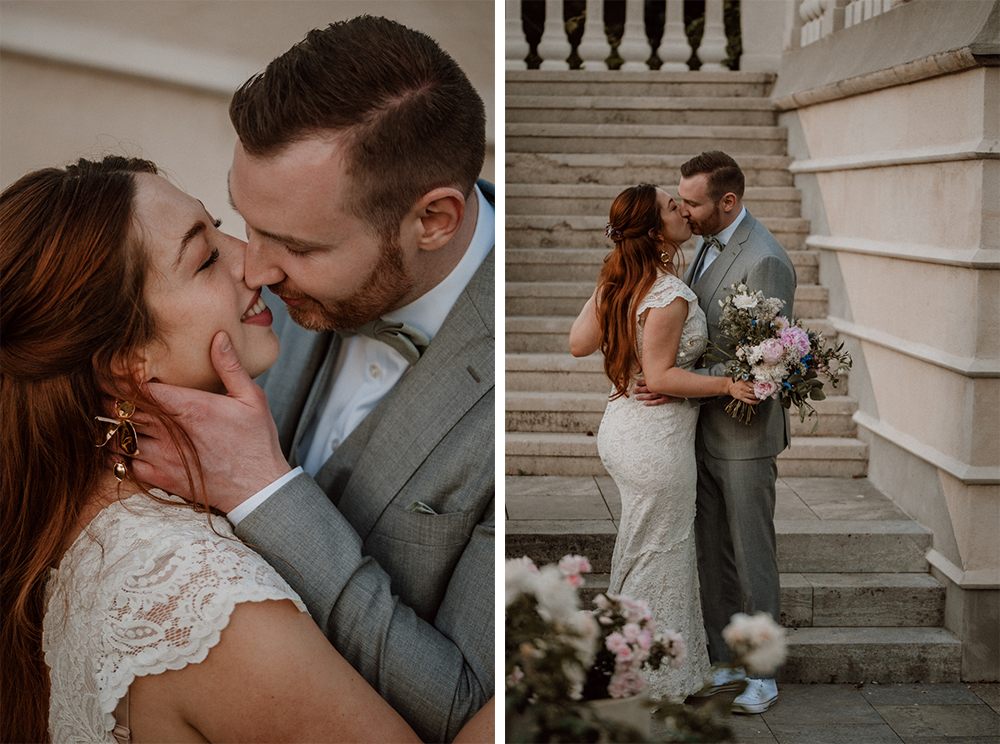
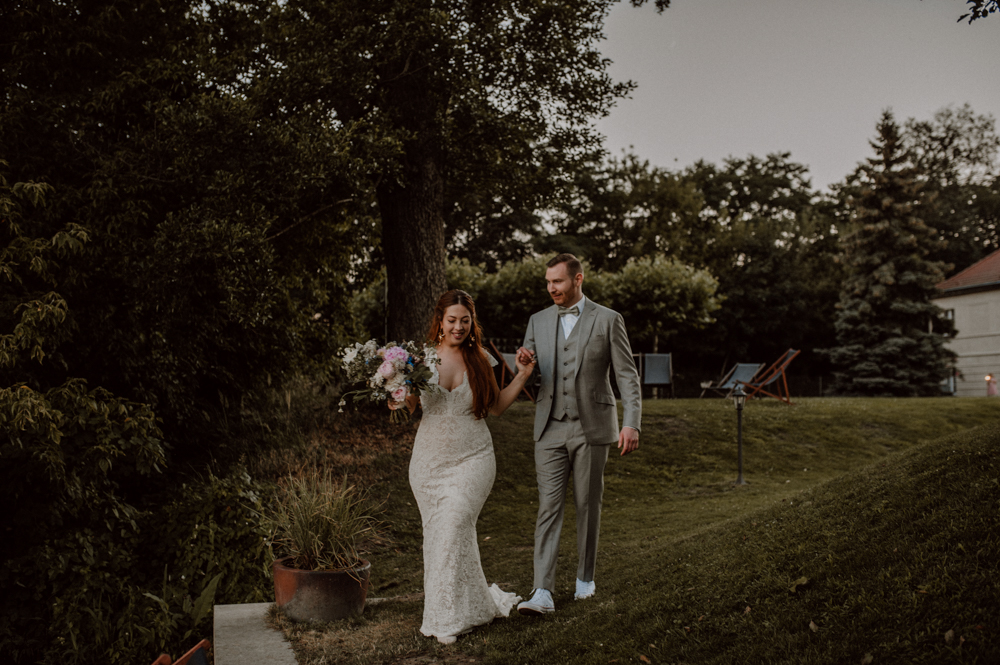
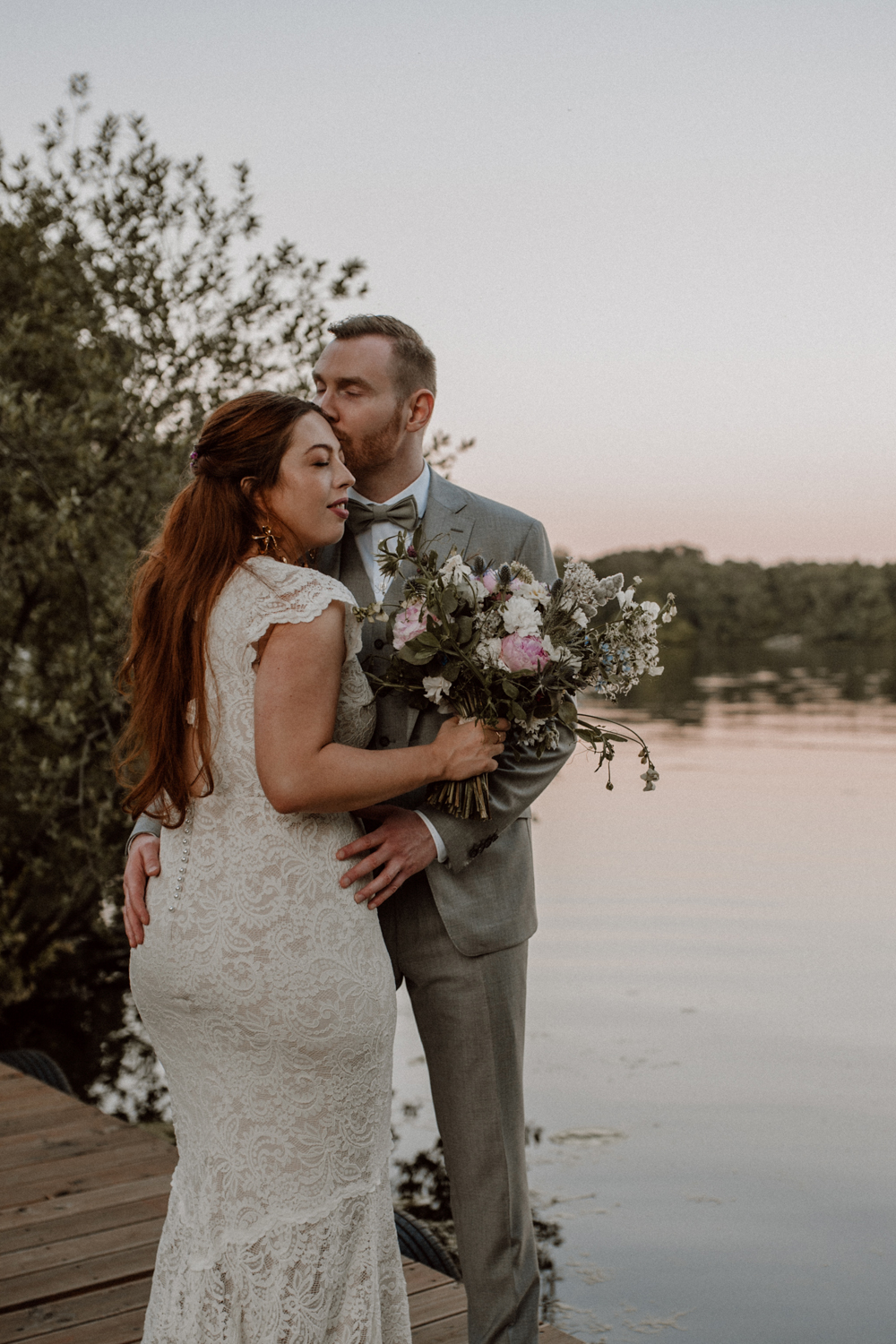
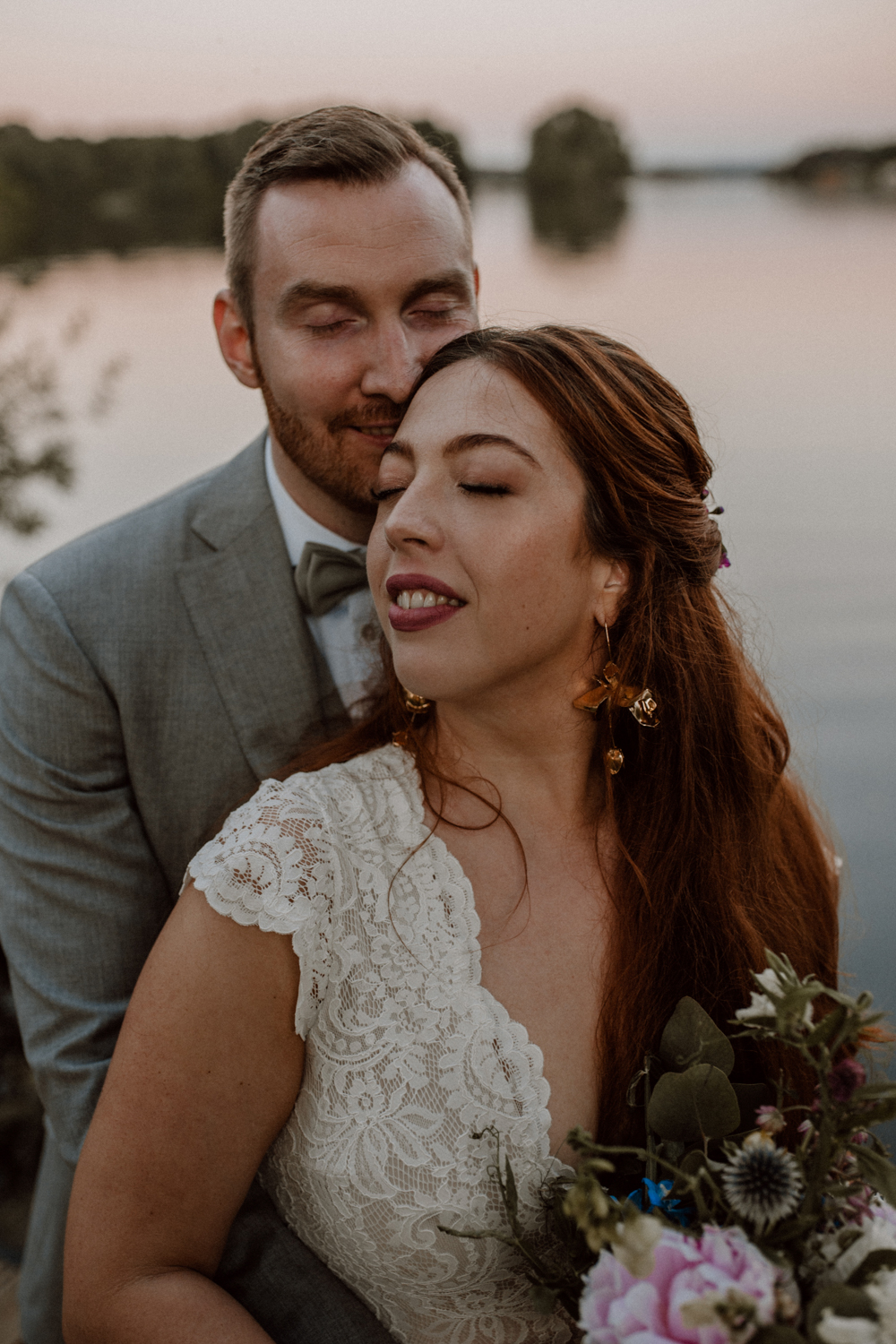
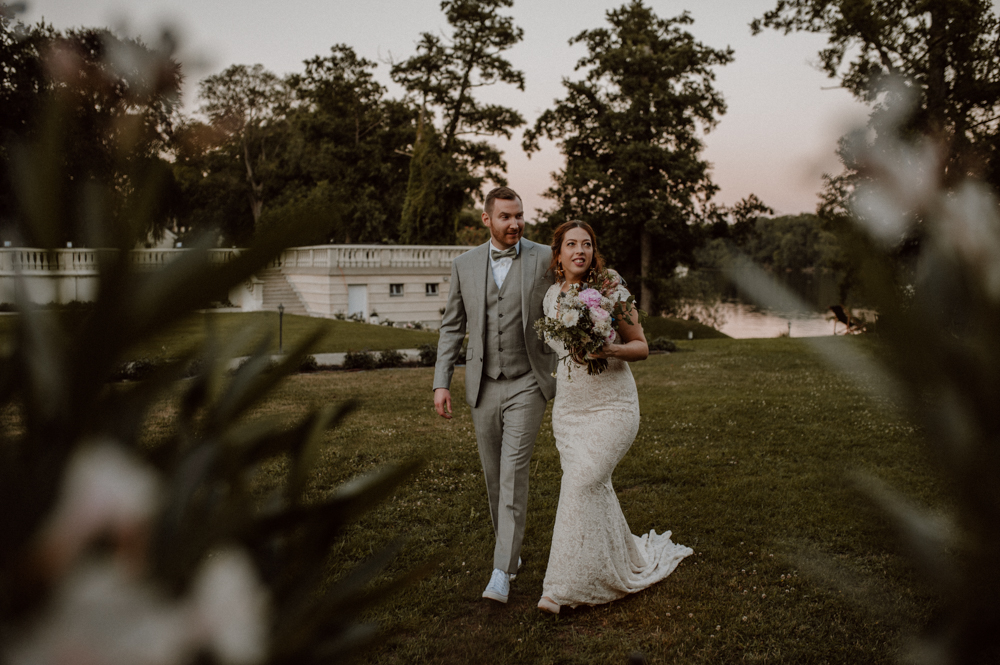
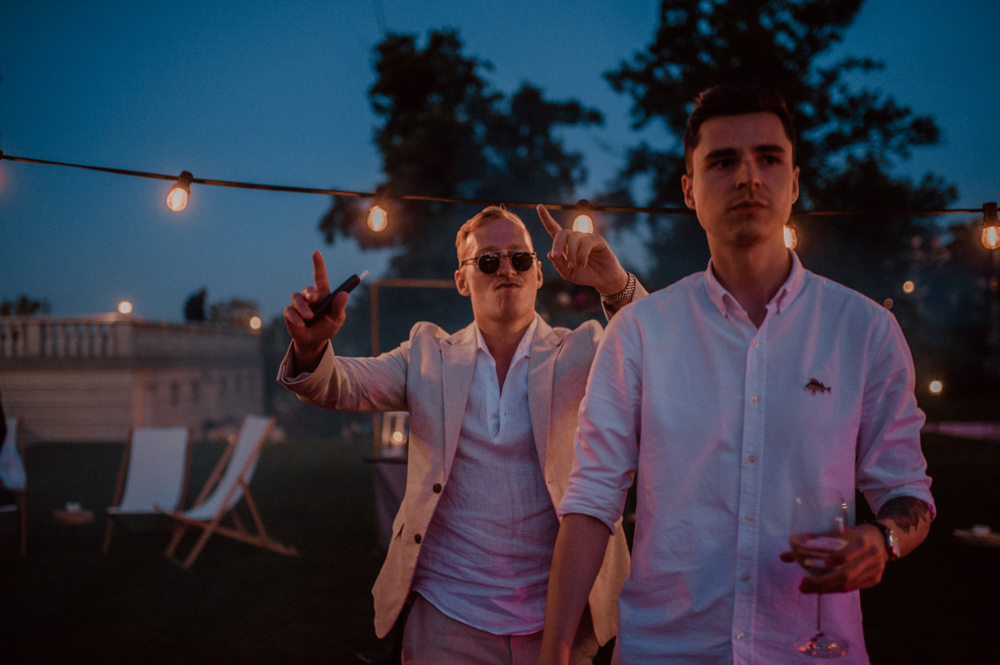
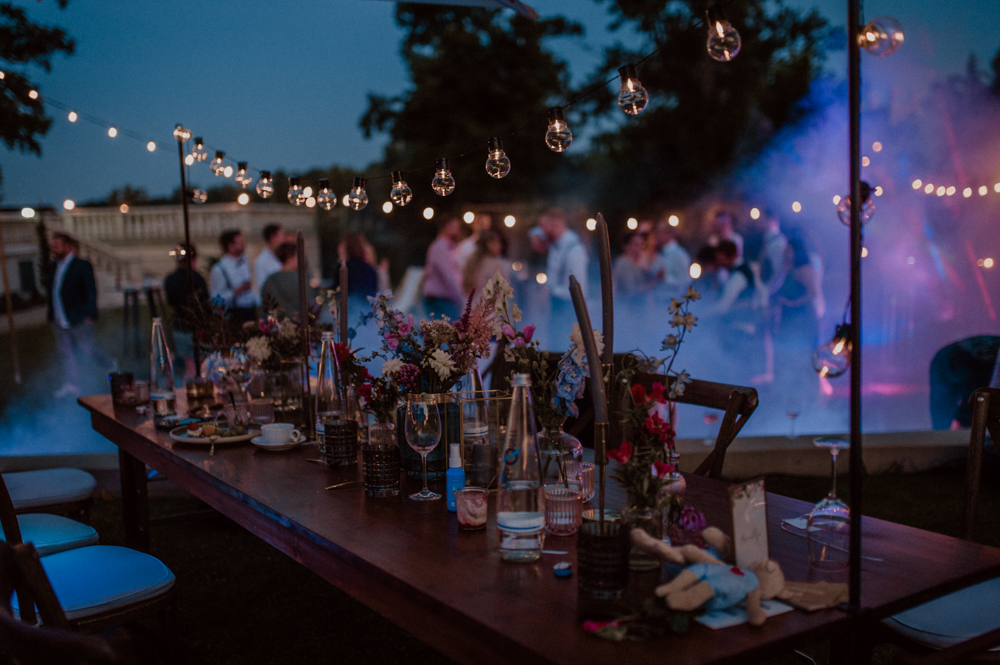
Was soll ich euch sagen, selbst für mich als Hochzeitsfotografin, blieb hier kaum ein Wunsch offen. Das Wetter war hervorragend, die Stimmung fabelhaft, Brautpaar als auch Gäste ein absoluter Traum. Und auch die Badesachen, haben irgendwo noch einen Platz in der Tasche gefunden. Gestartet haben wir die Reportage Begleitung mit dem Getting ready der beiden. Unterstützung gab es durch Trauzeugen und Trauzeuginnen. Und das wundervolle Make Up & Styling stammt aus der Hand von Nike Nitz.
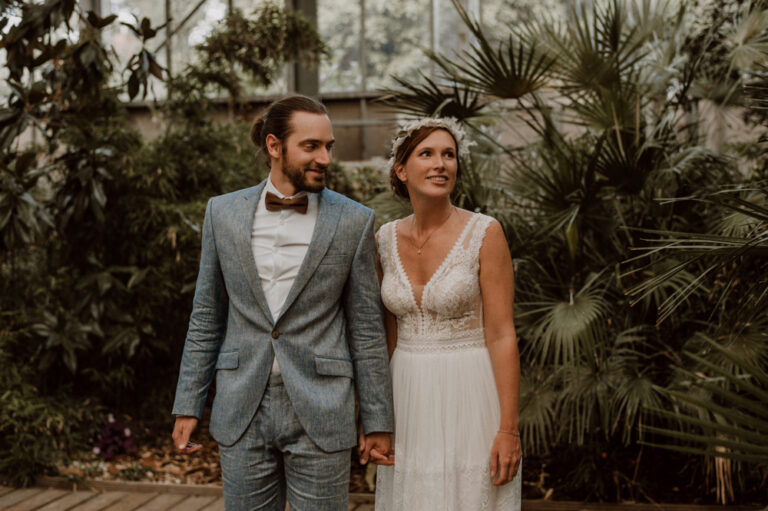
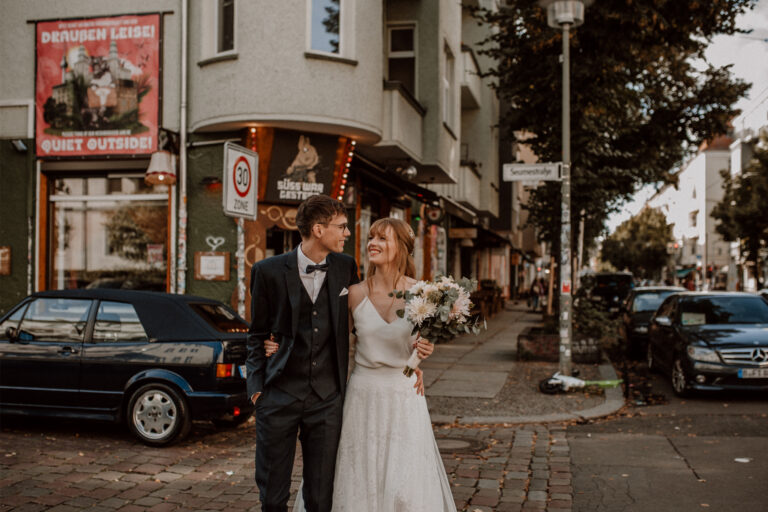
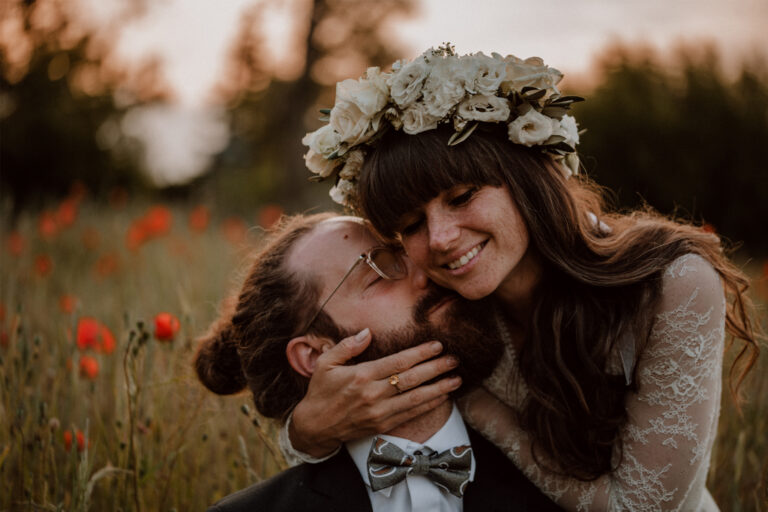
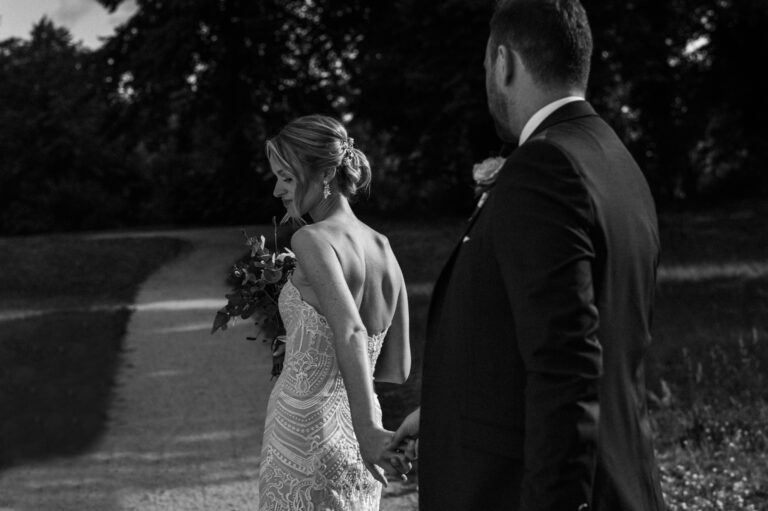
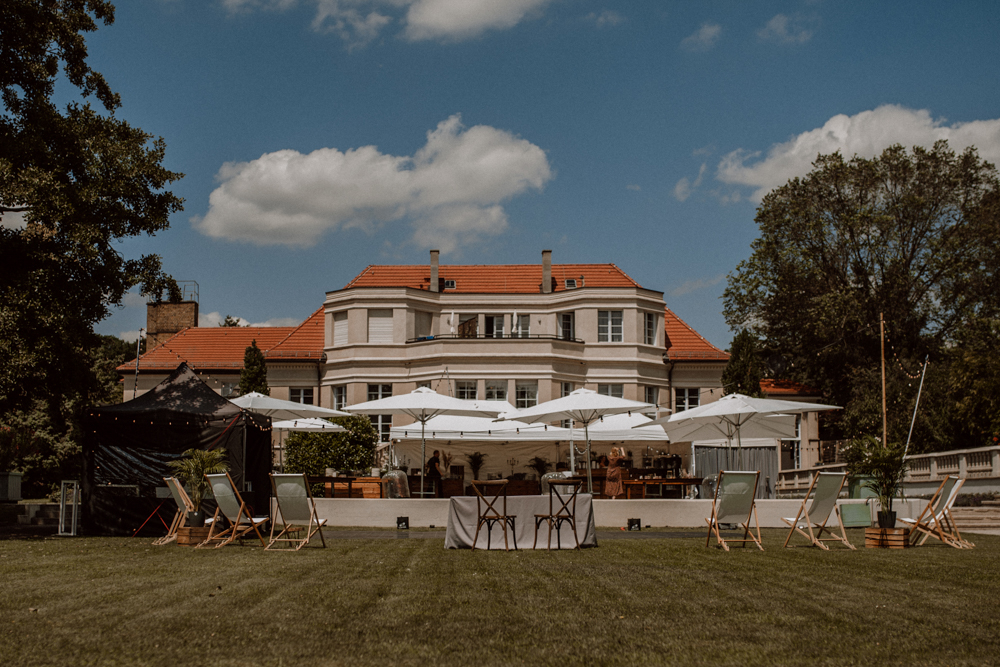
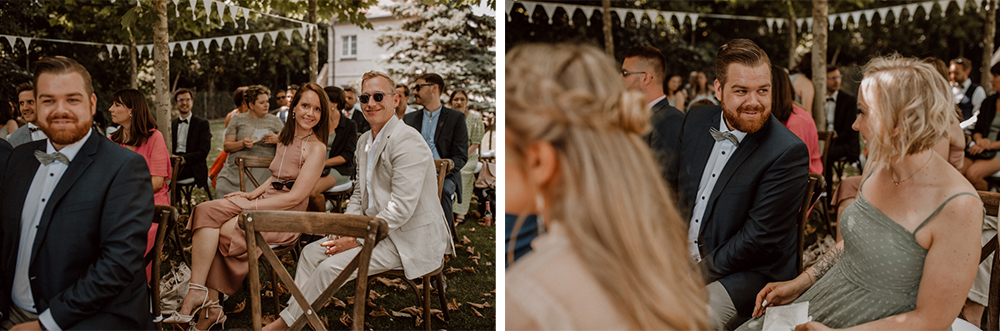
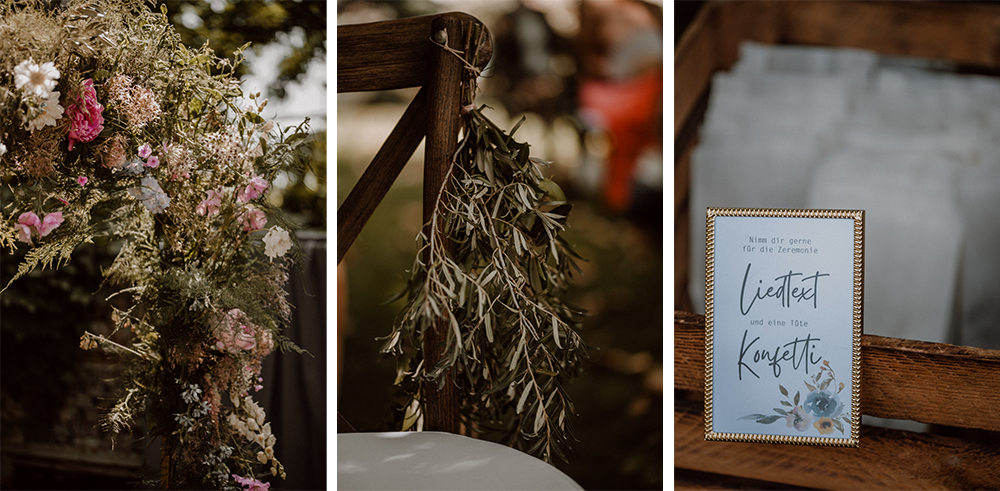
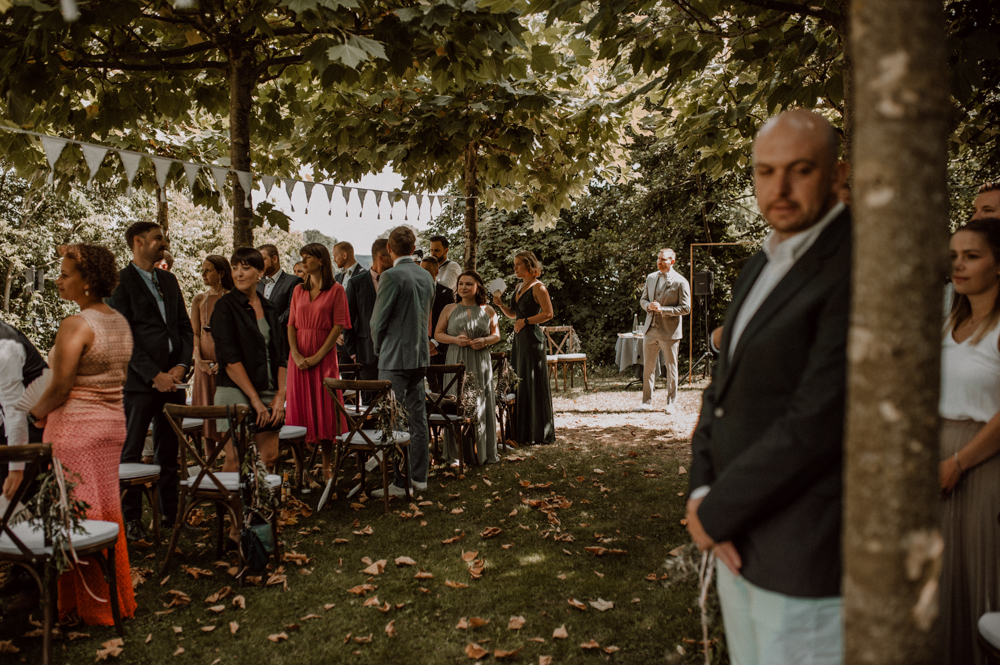
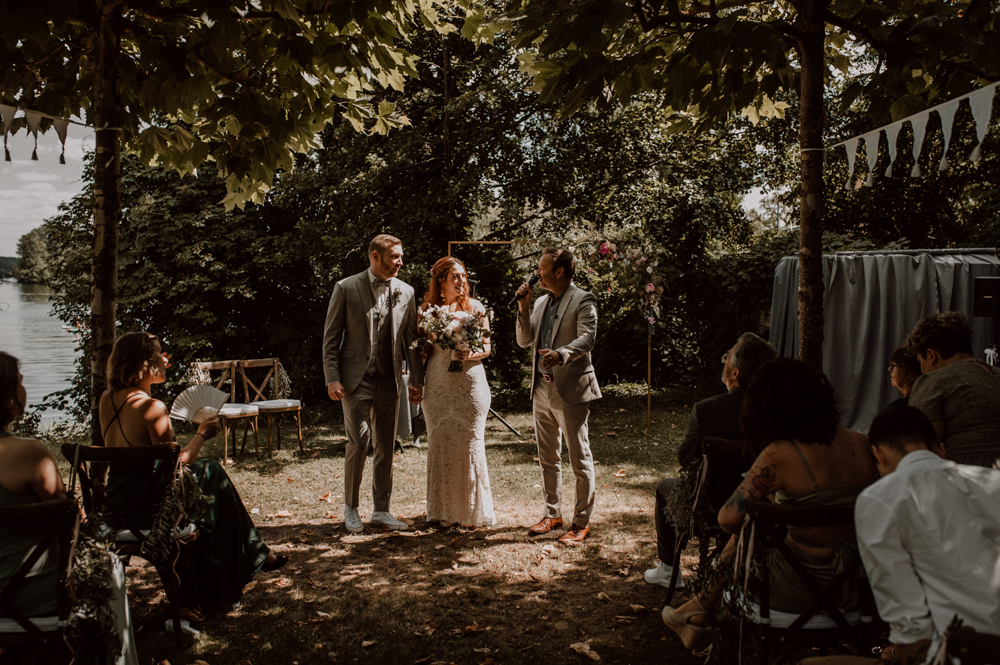
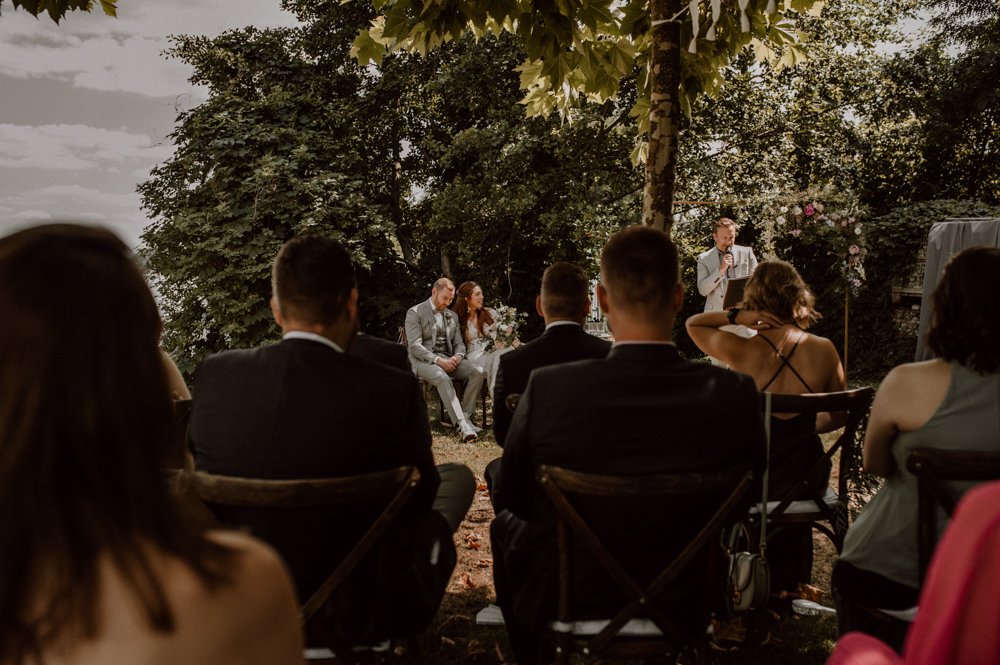
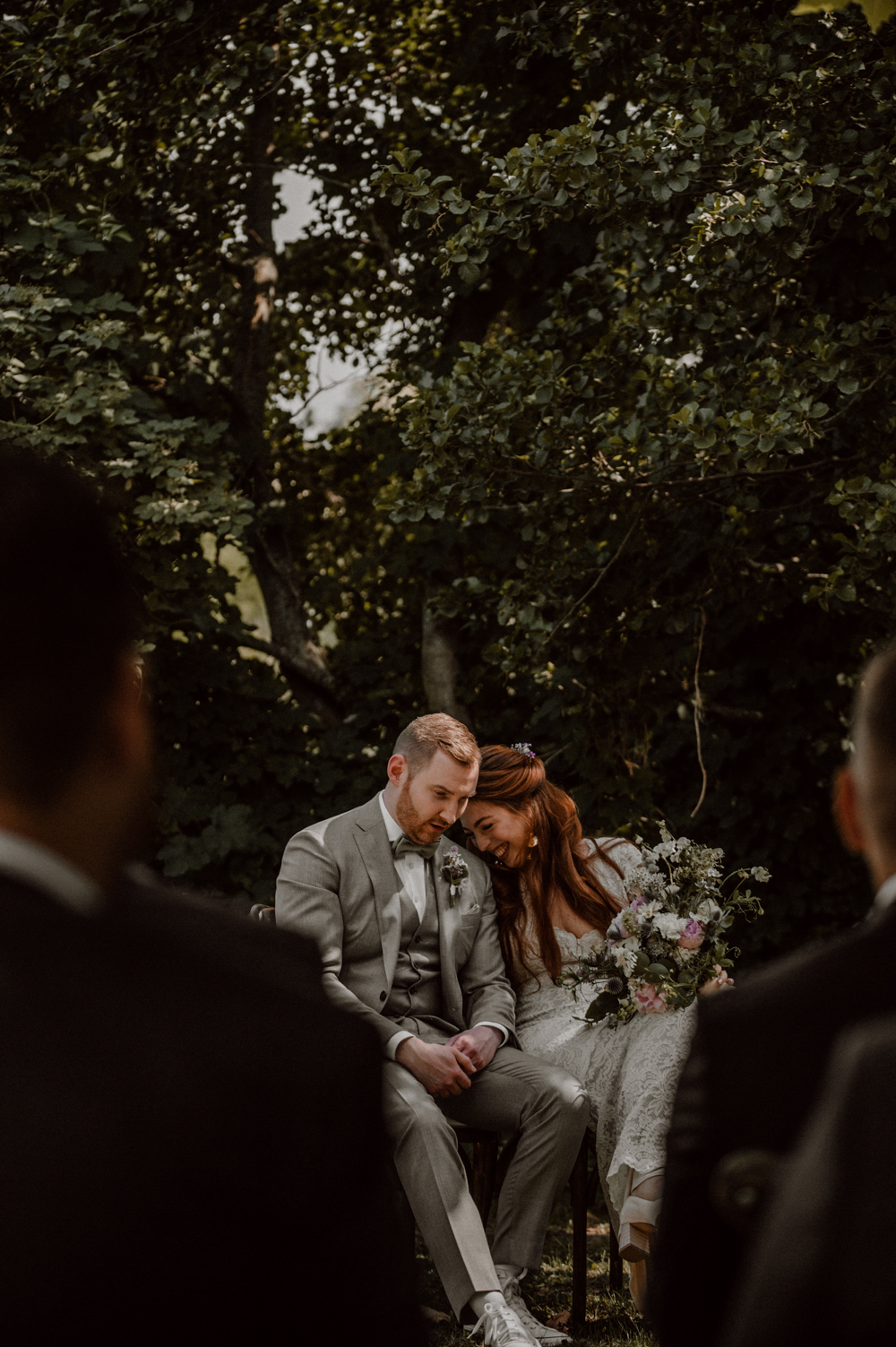
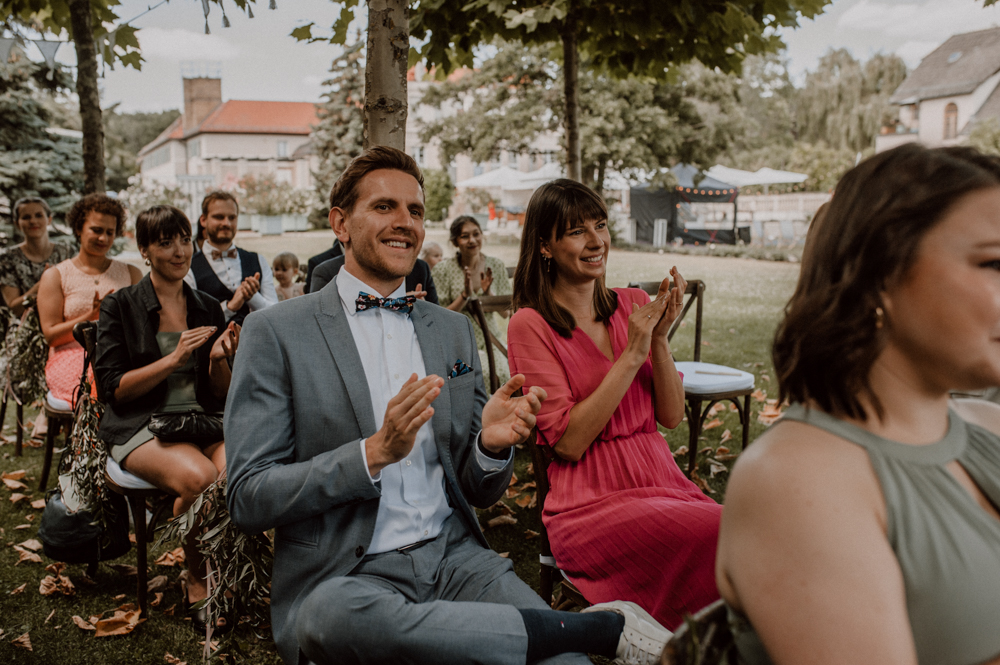
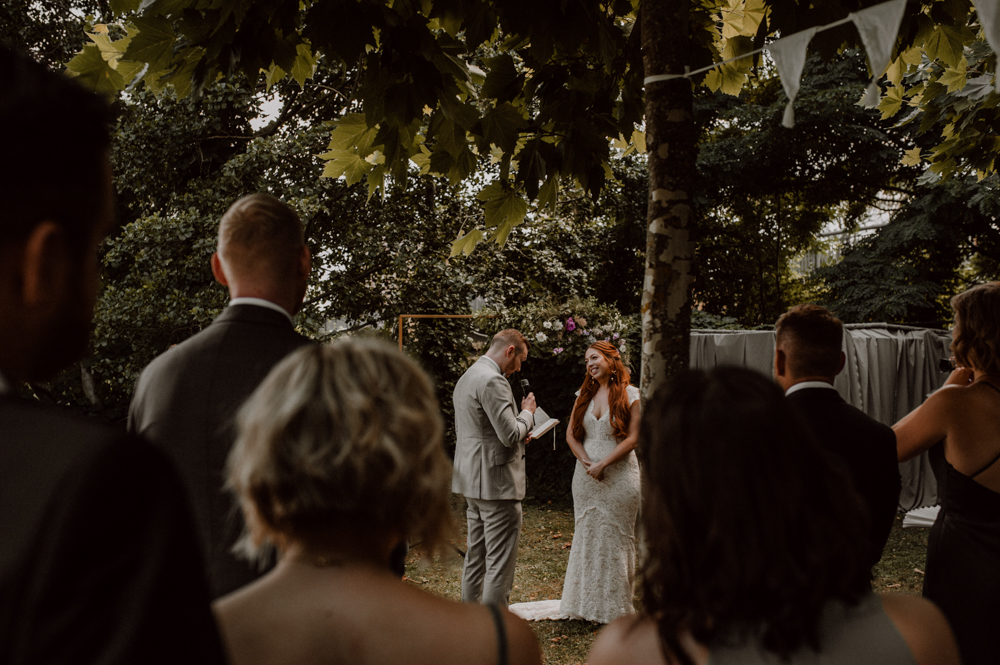
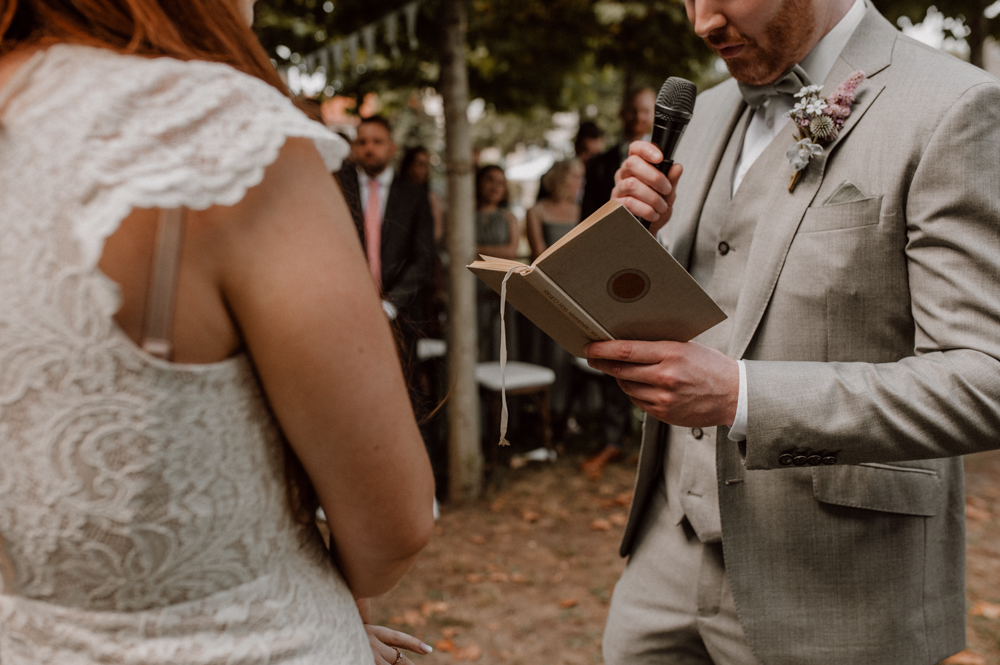
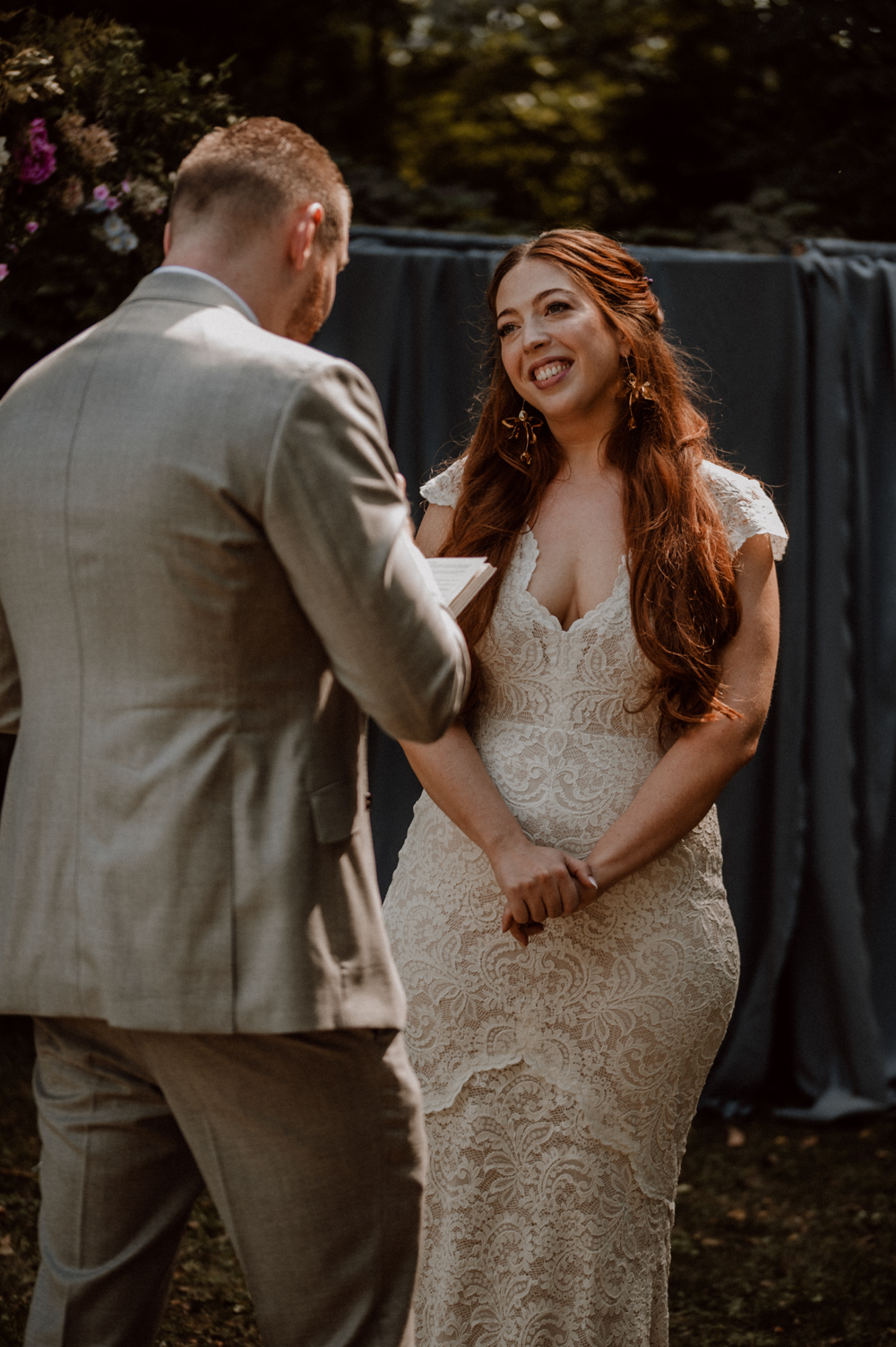
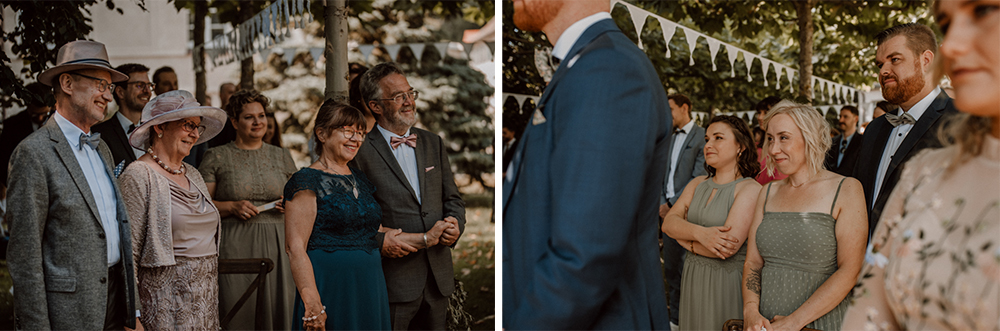
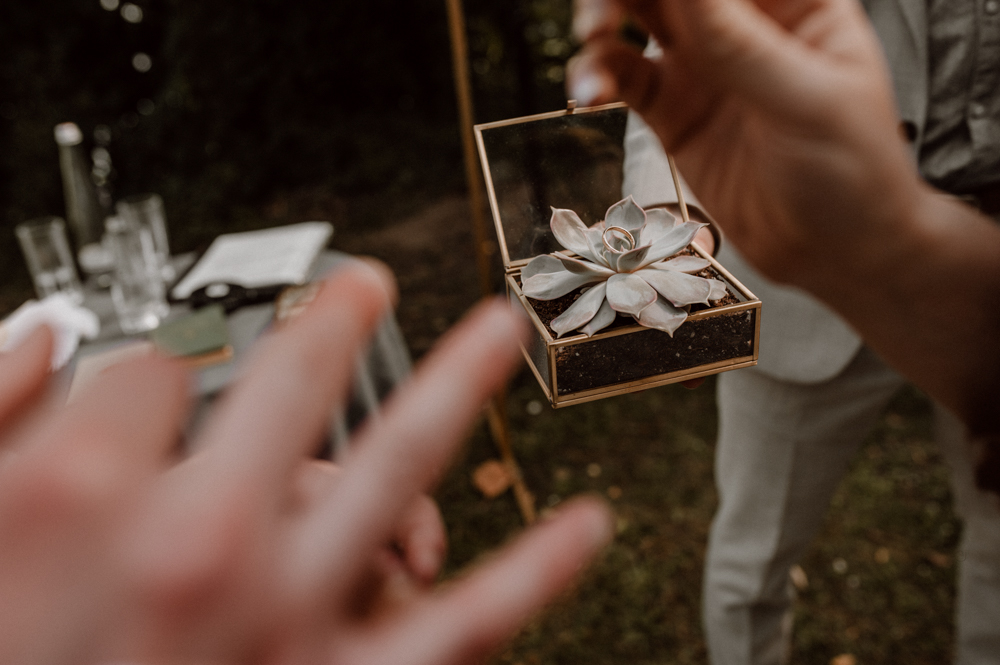
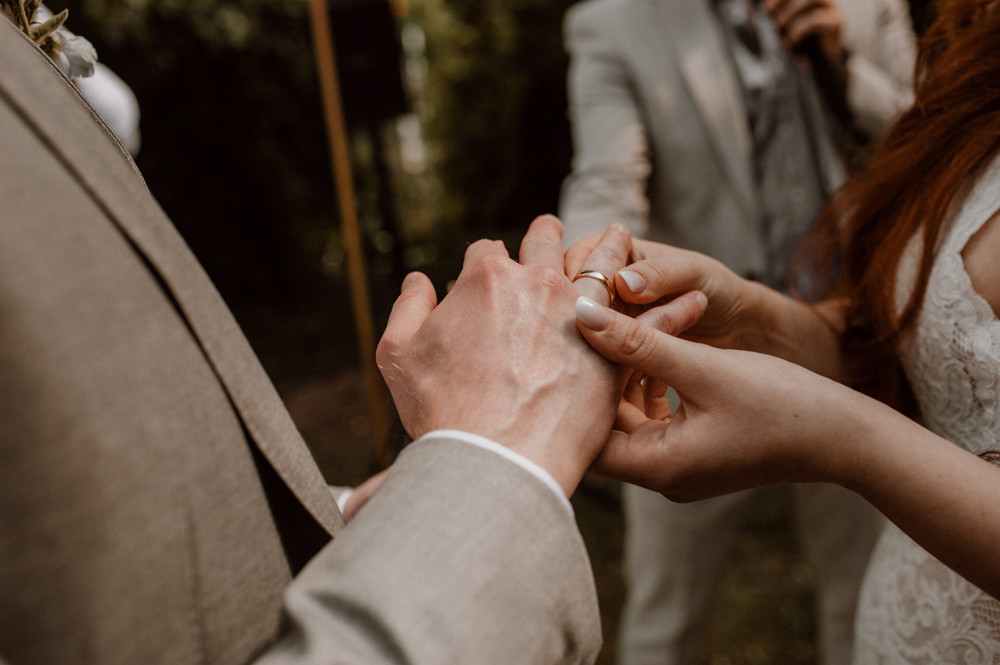
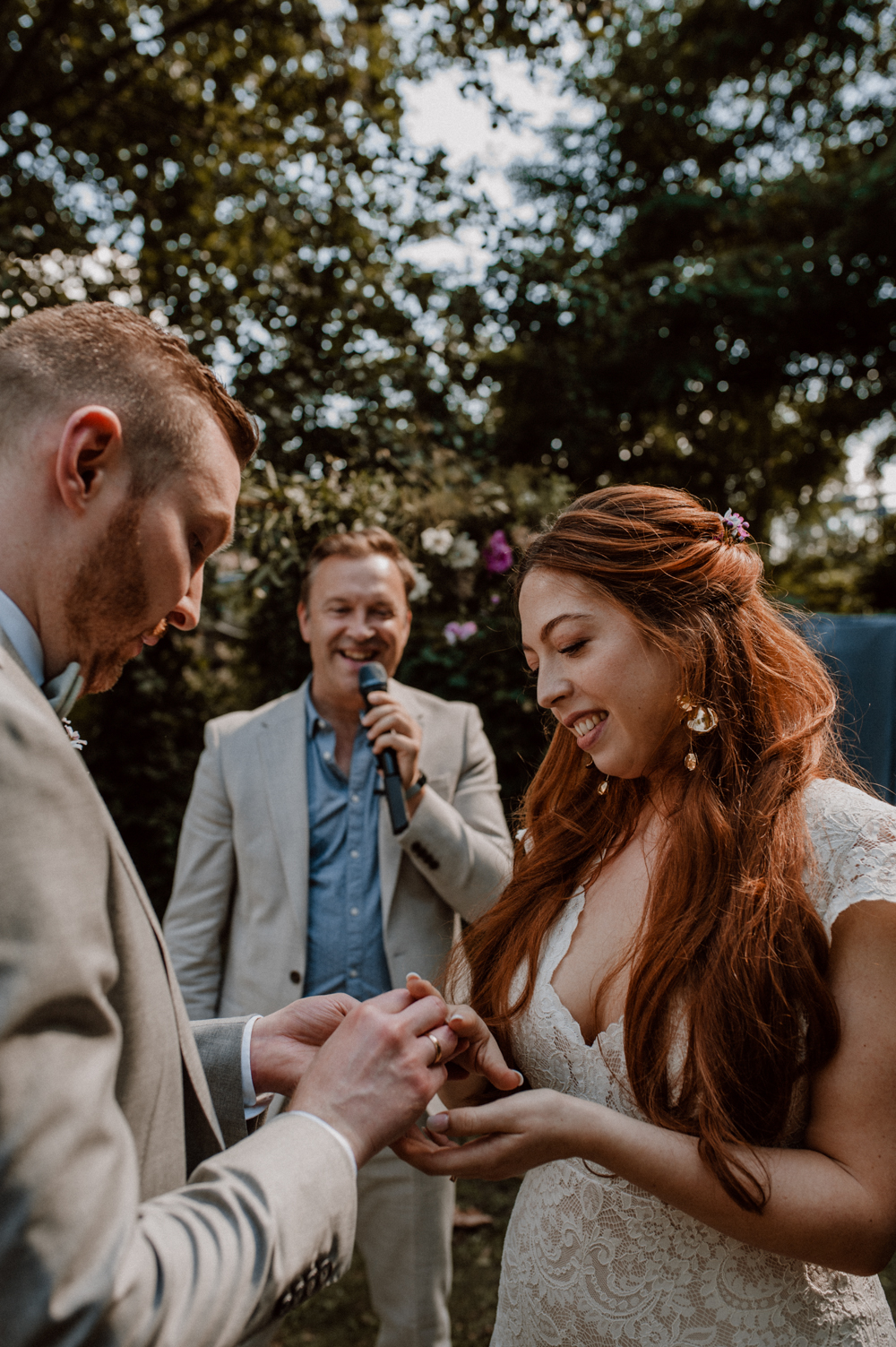
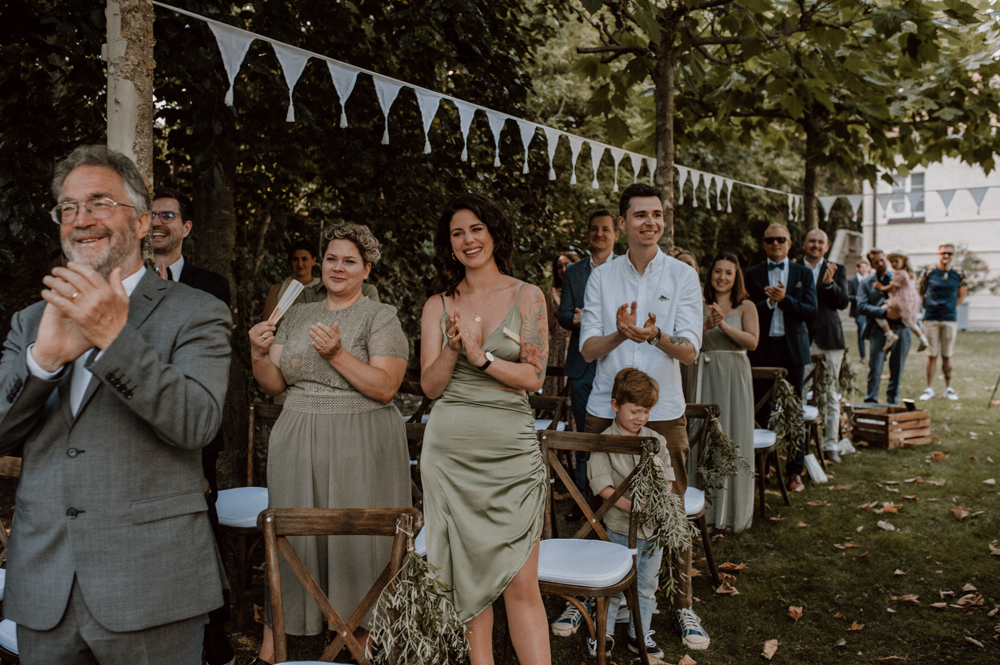
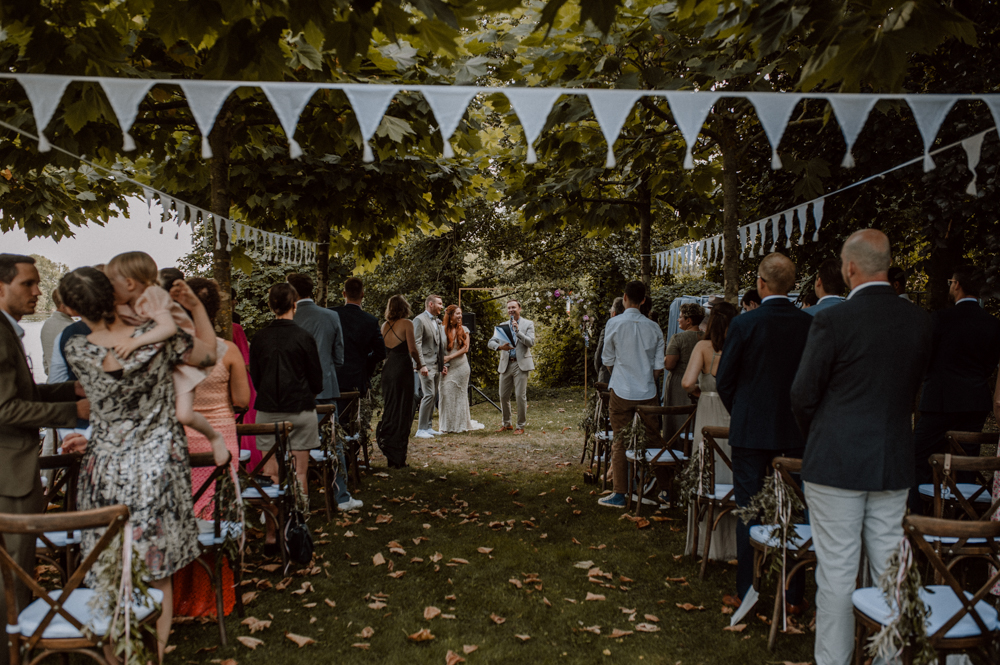
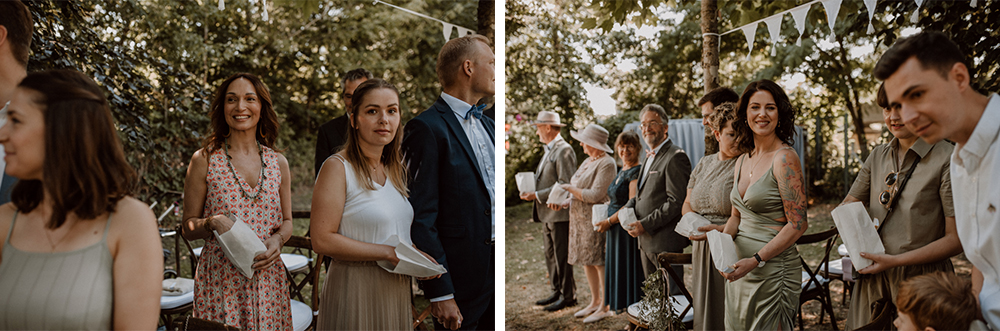
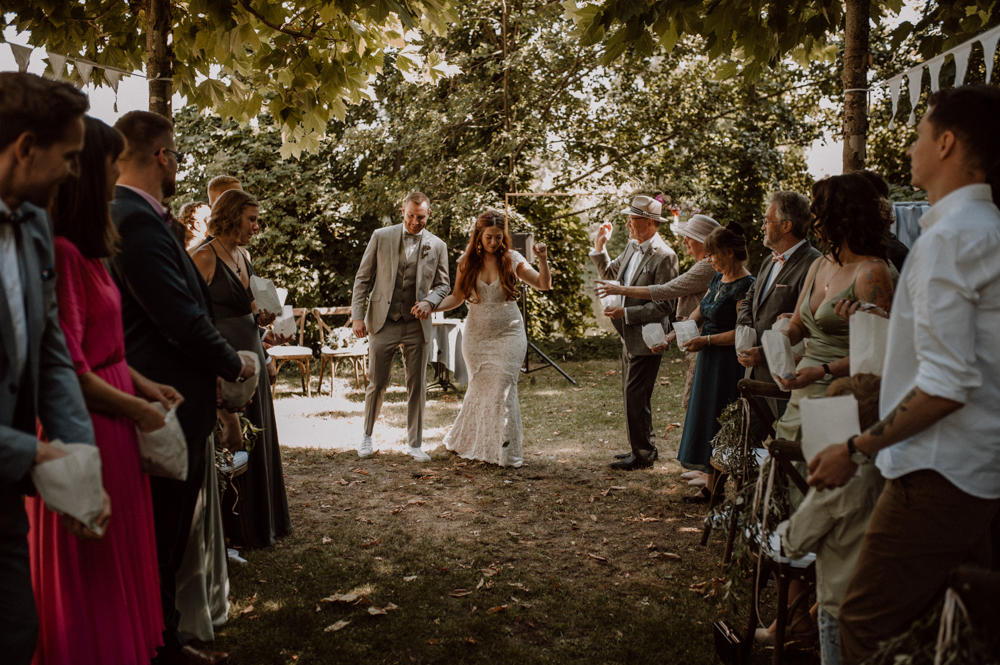
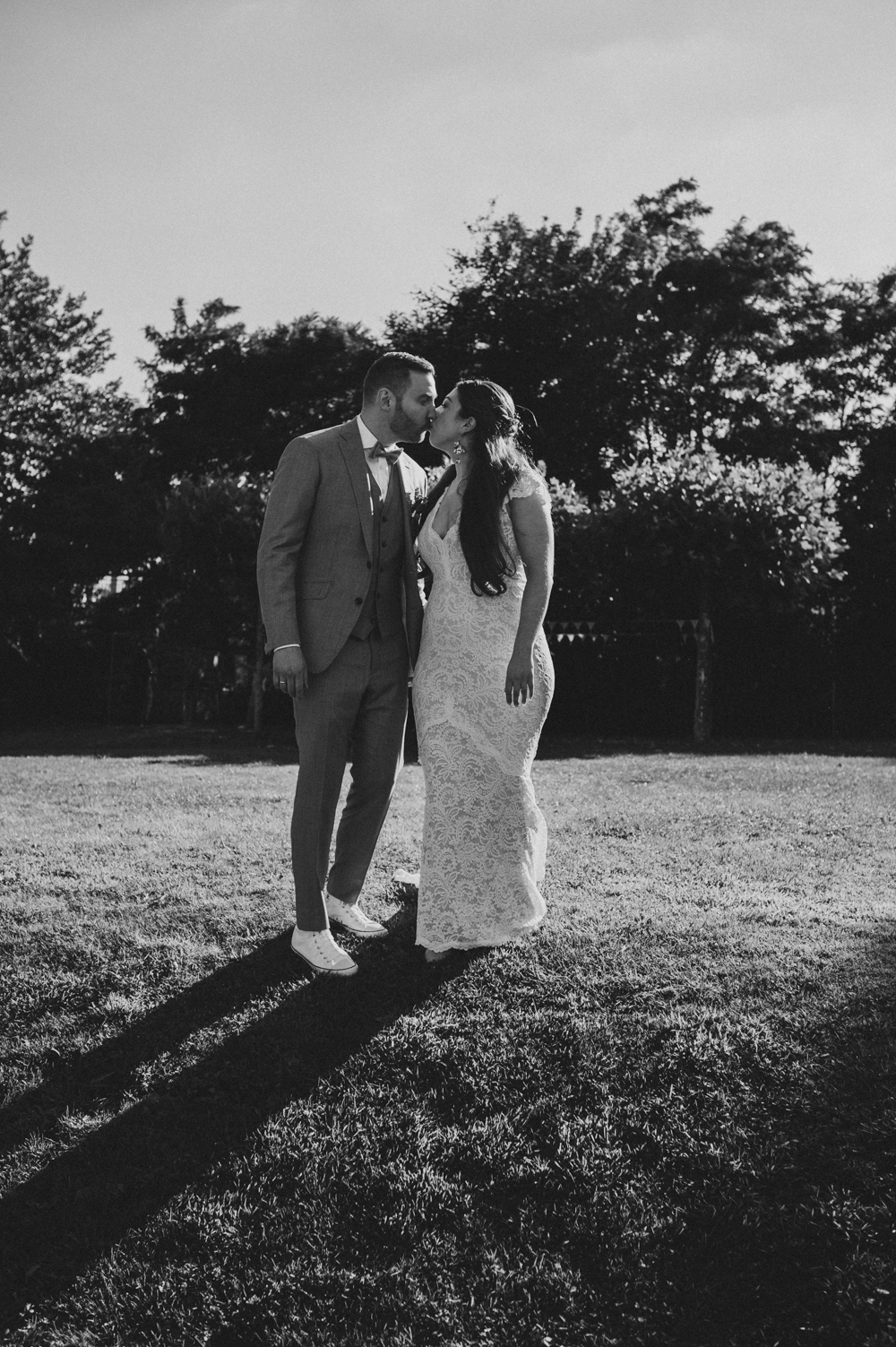
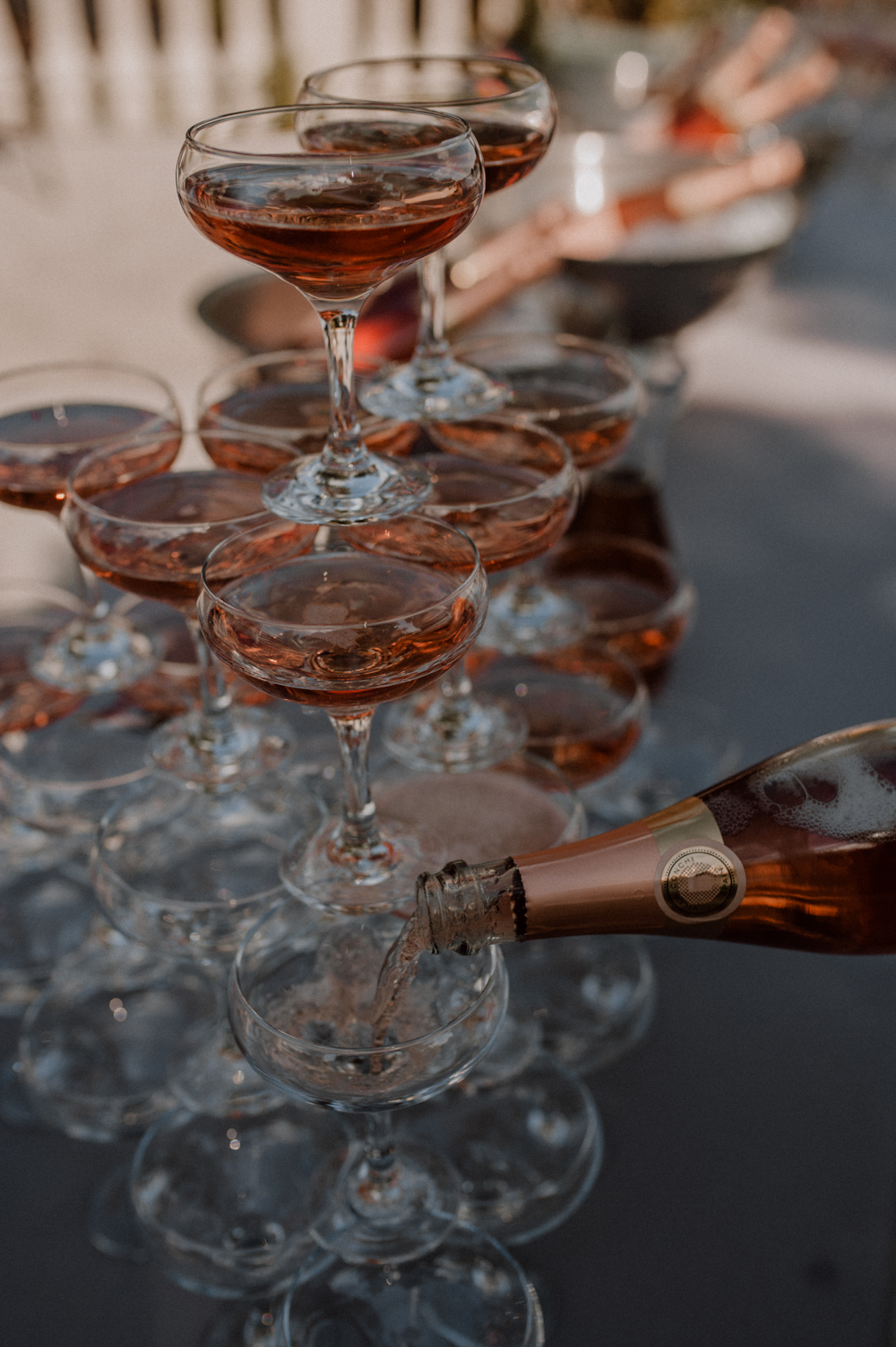
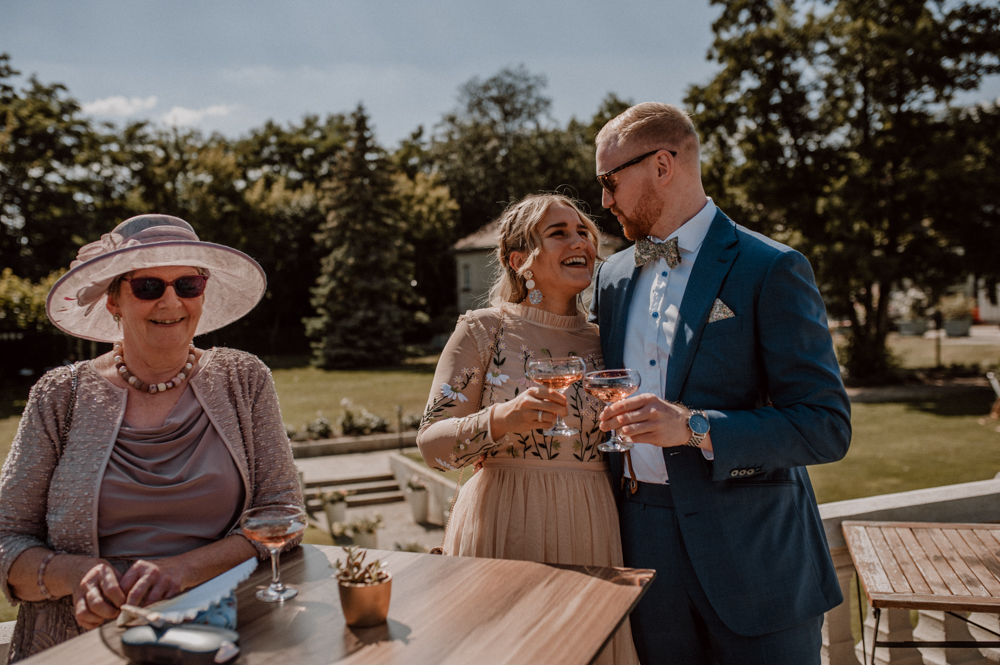
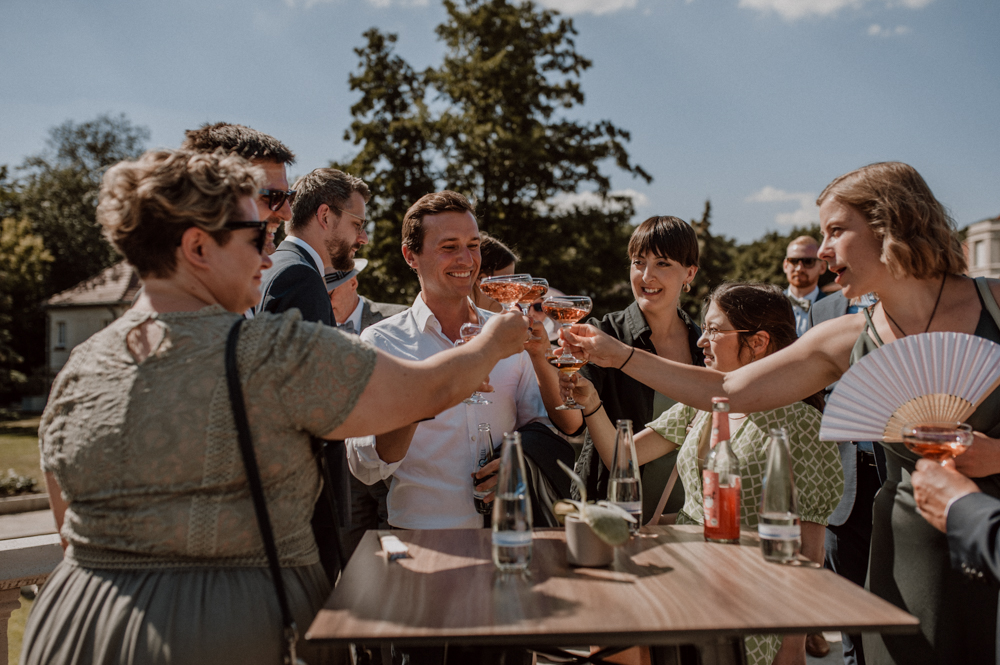
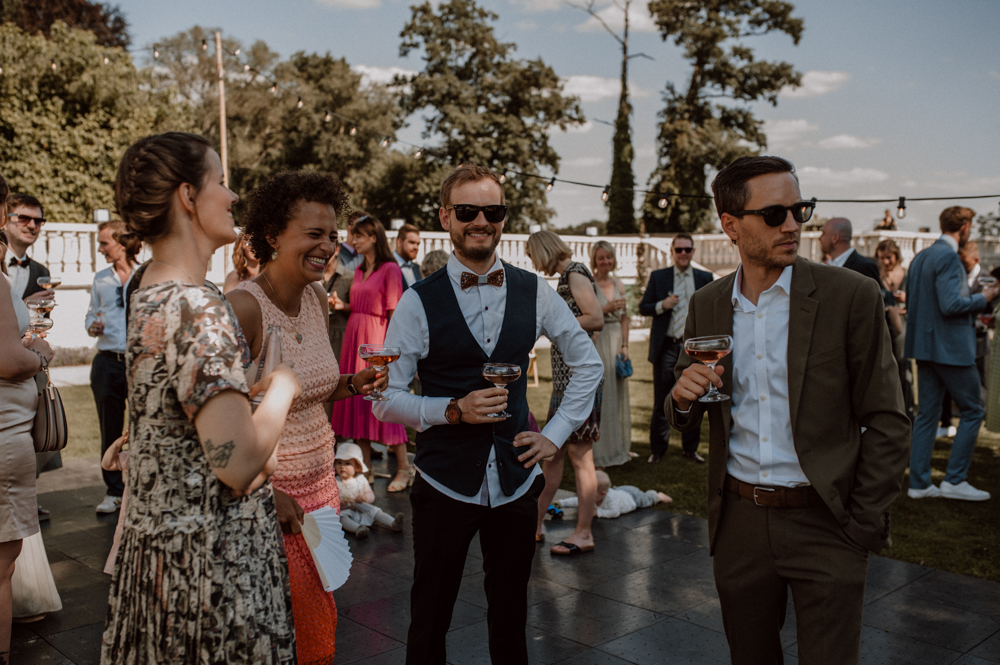
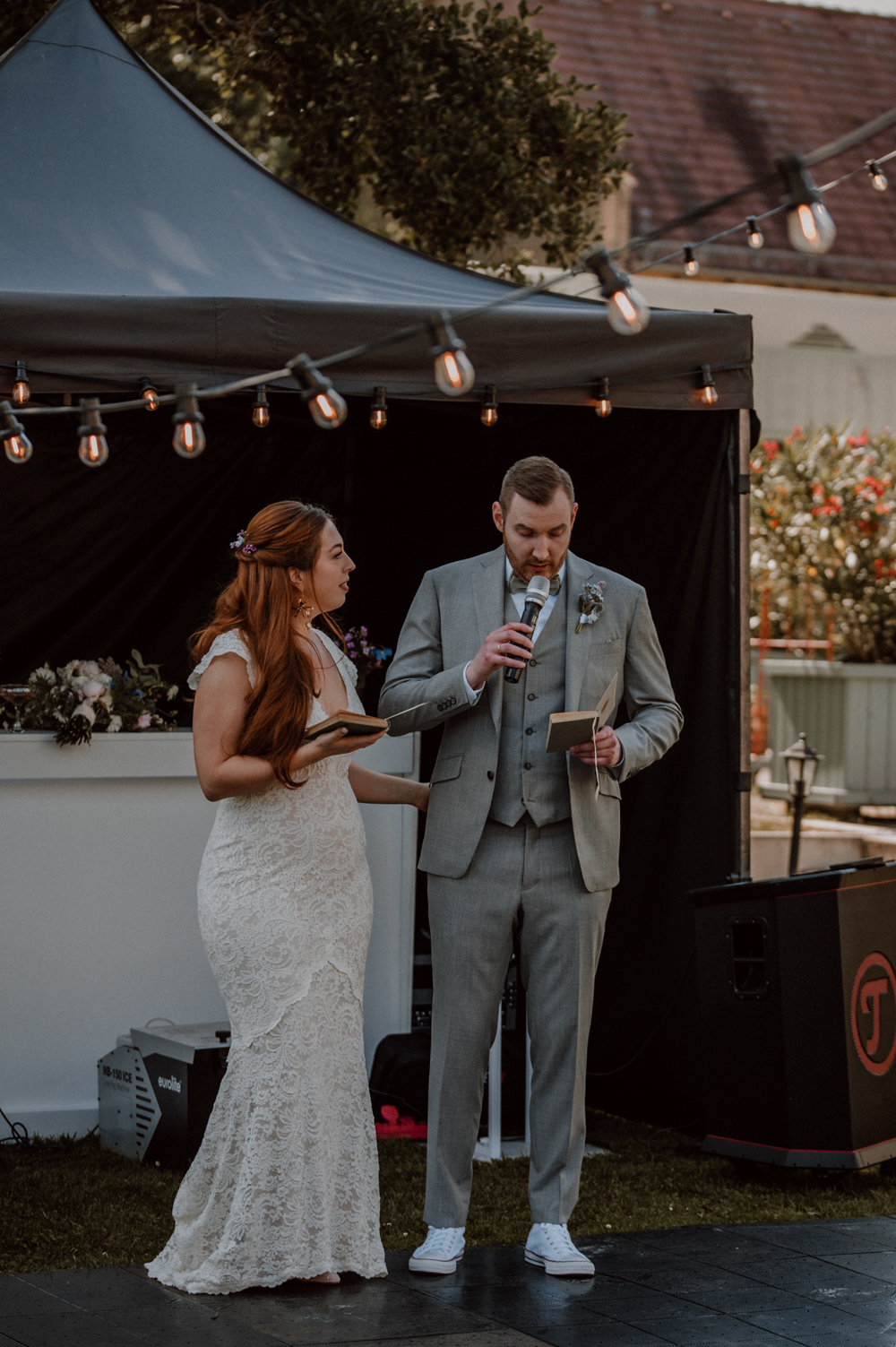
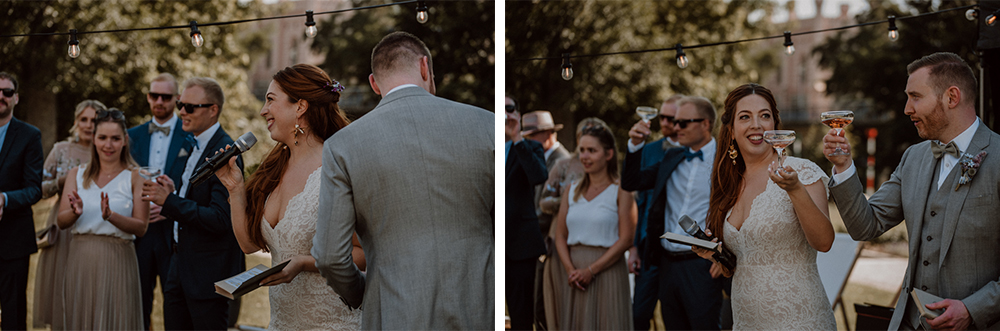
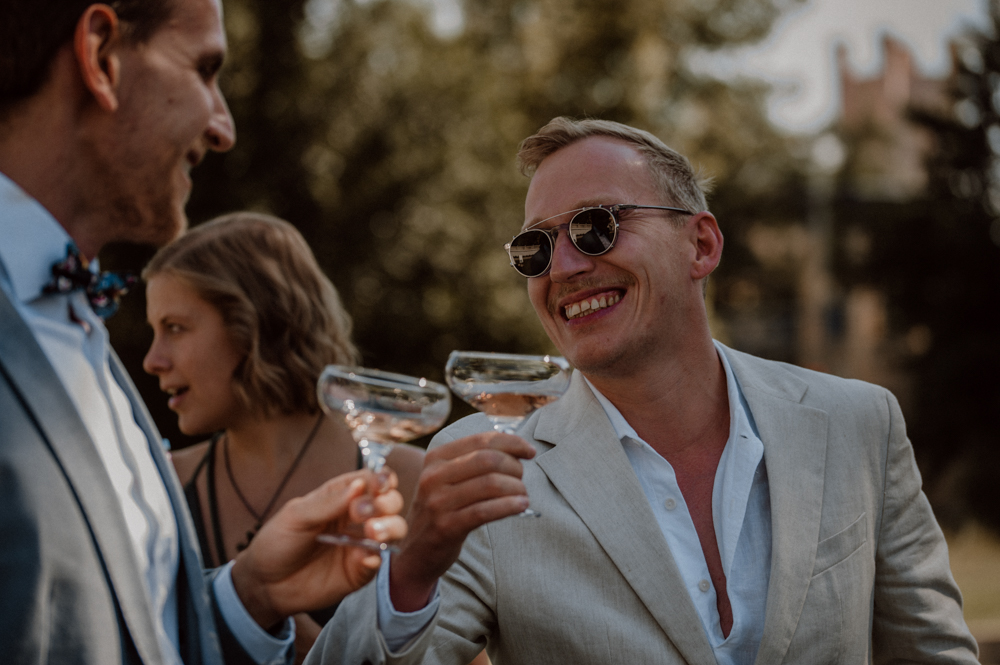
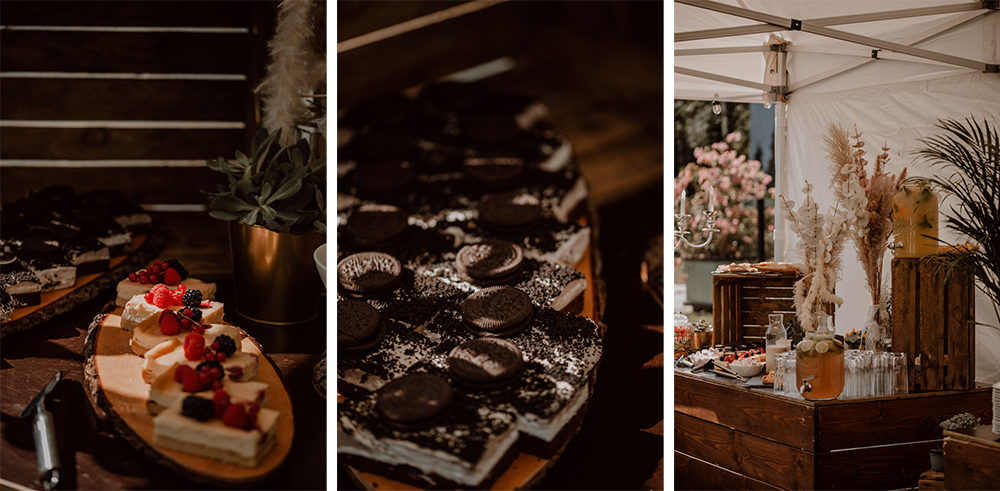
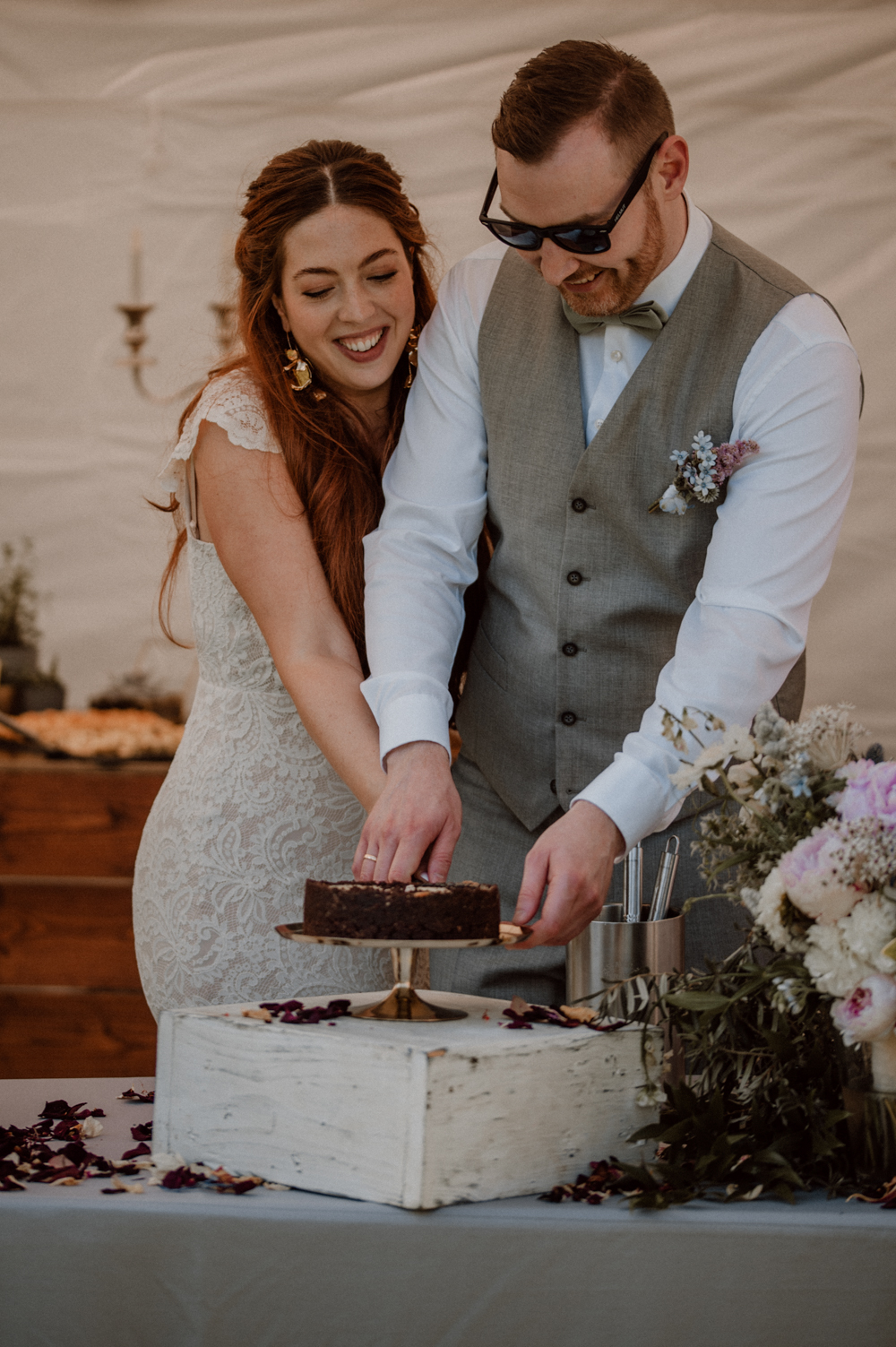
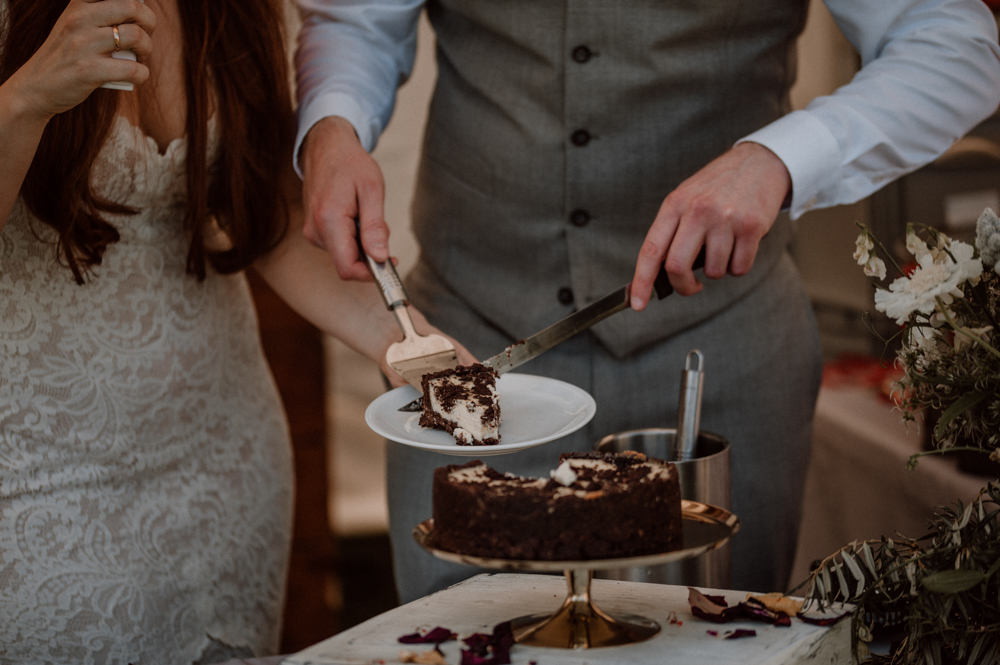
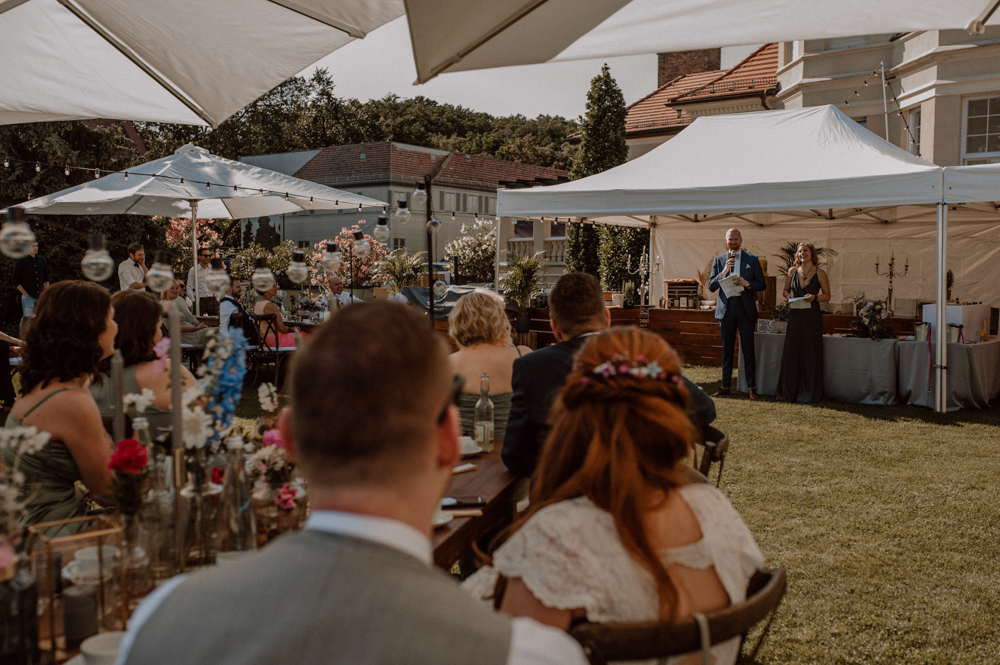
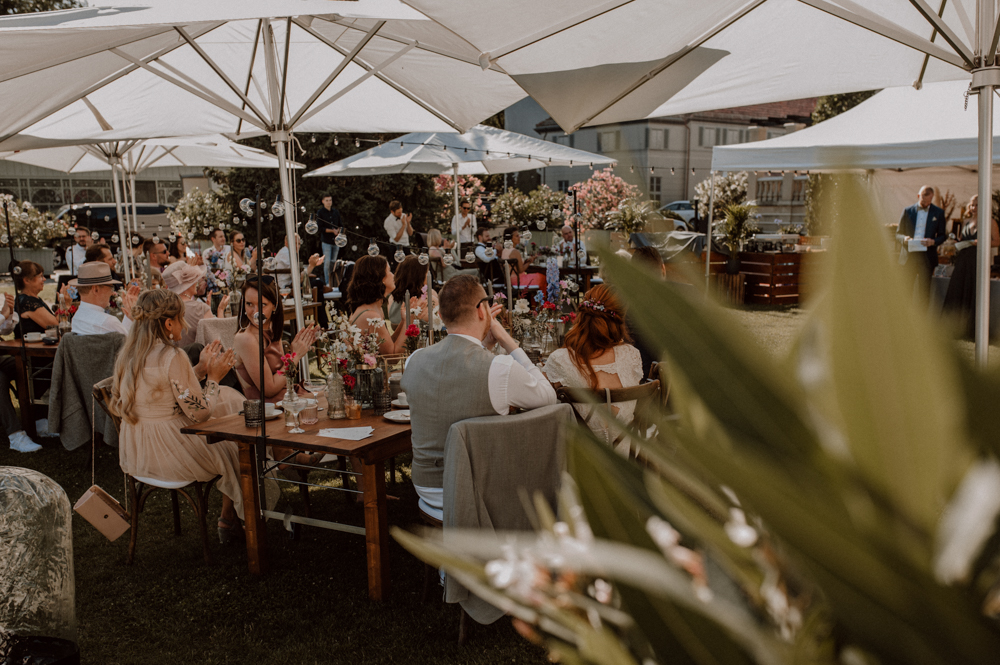
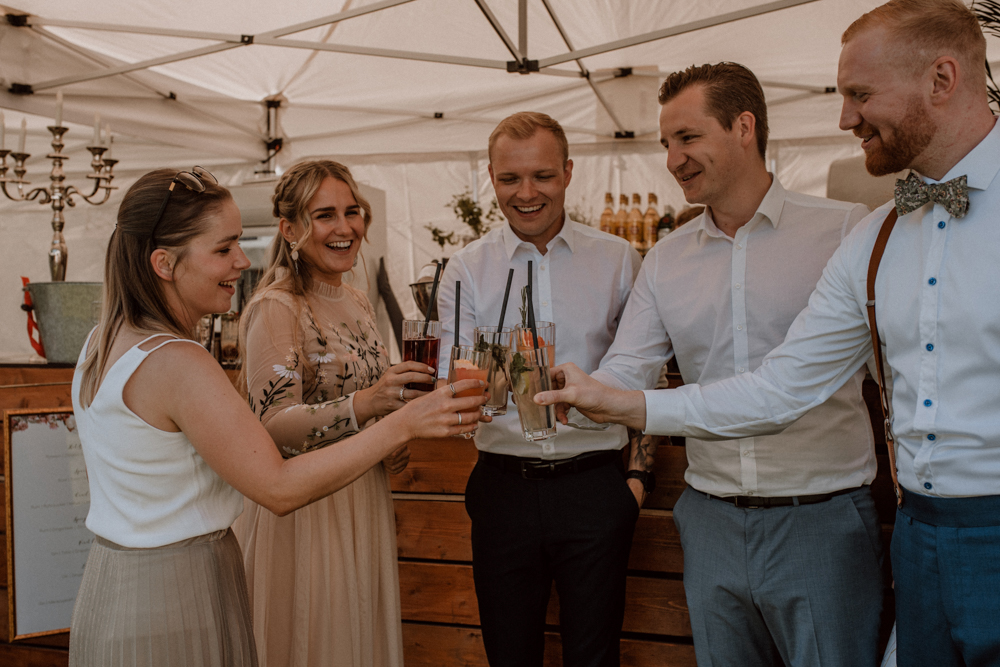
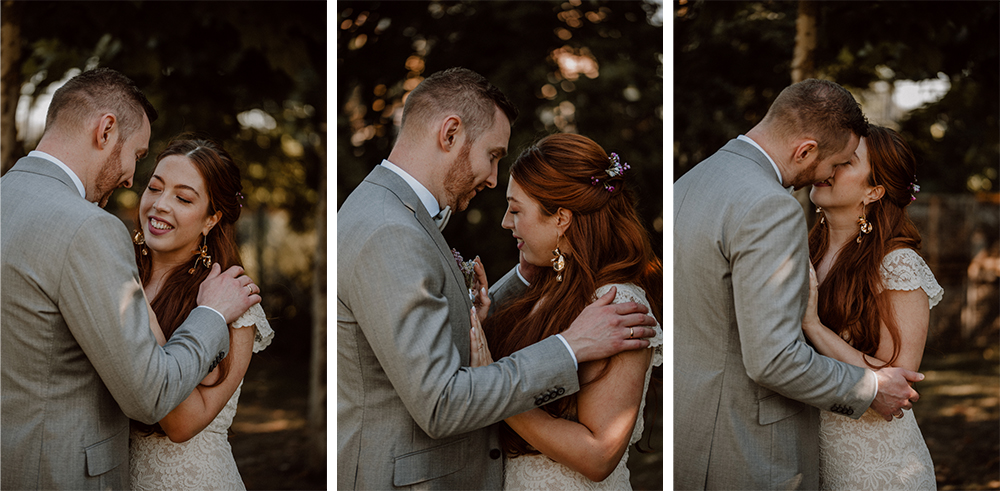
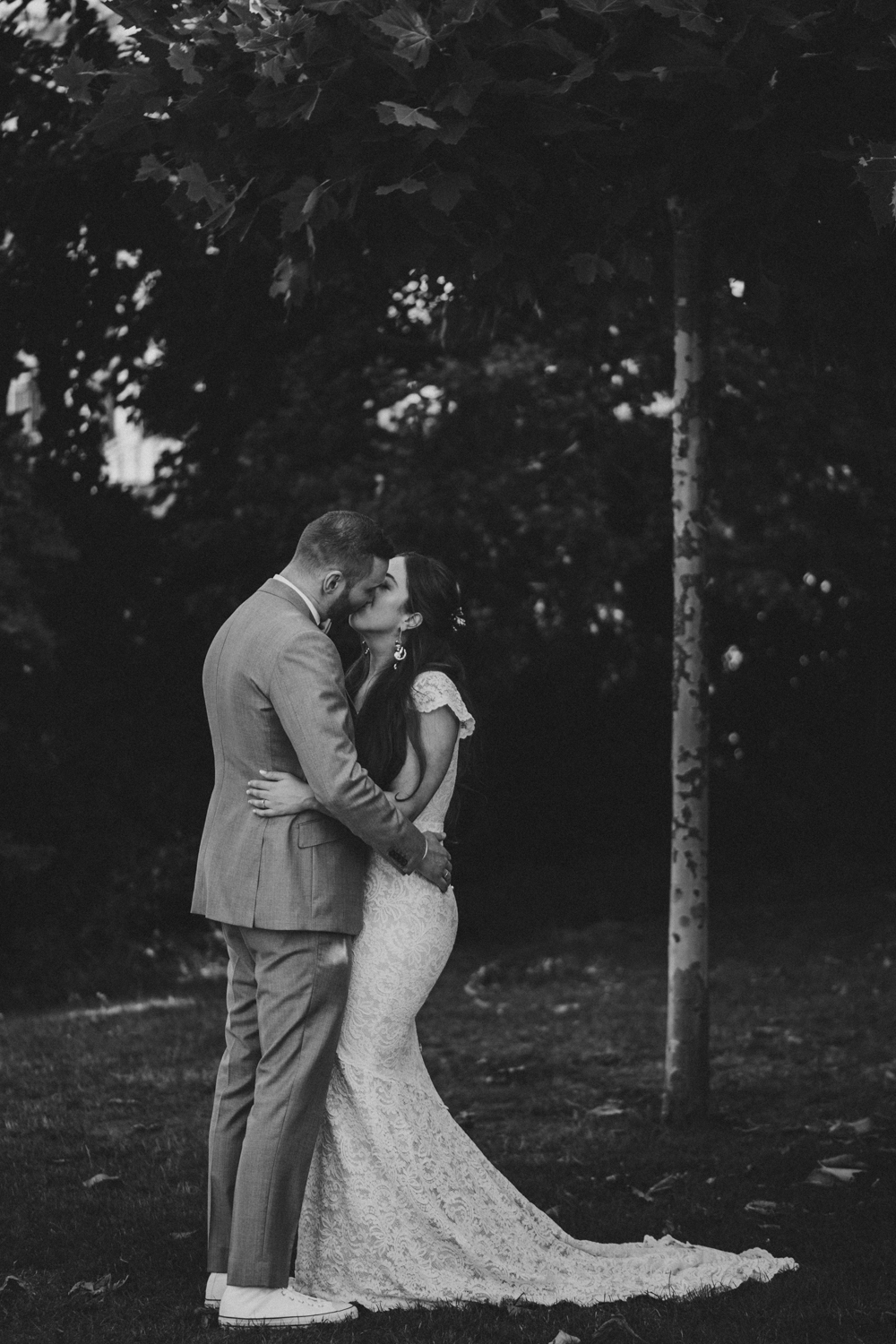
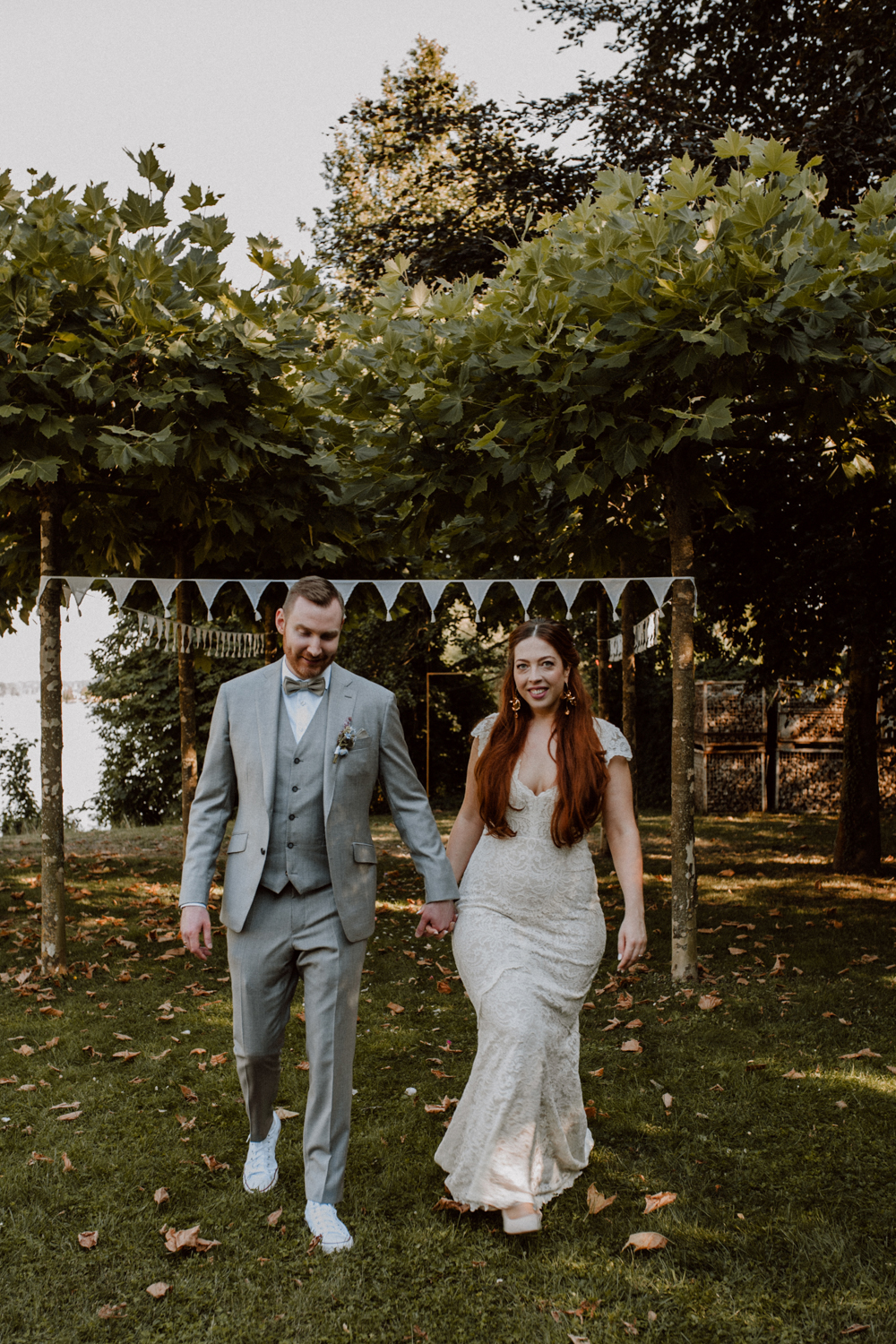
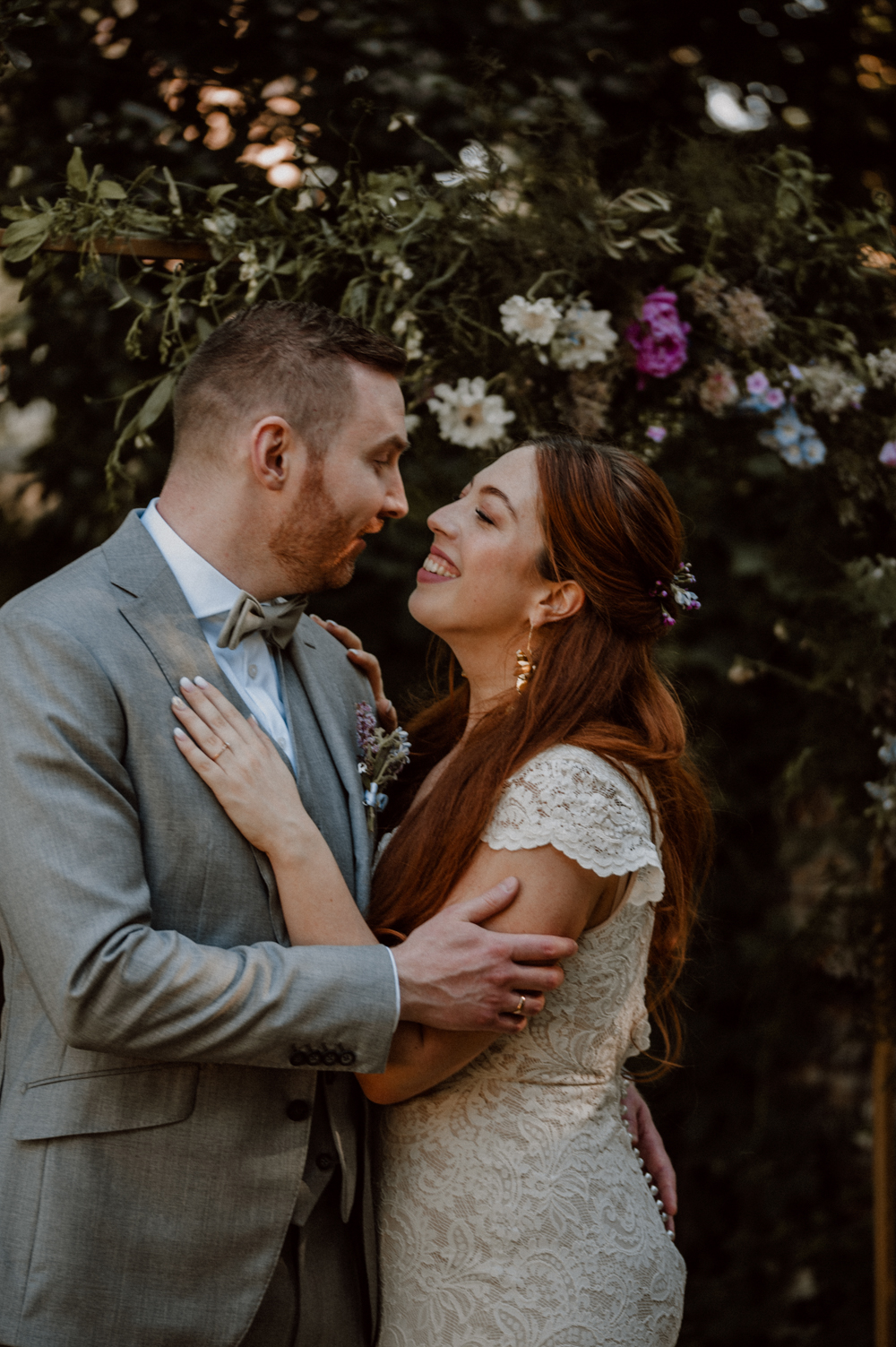
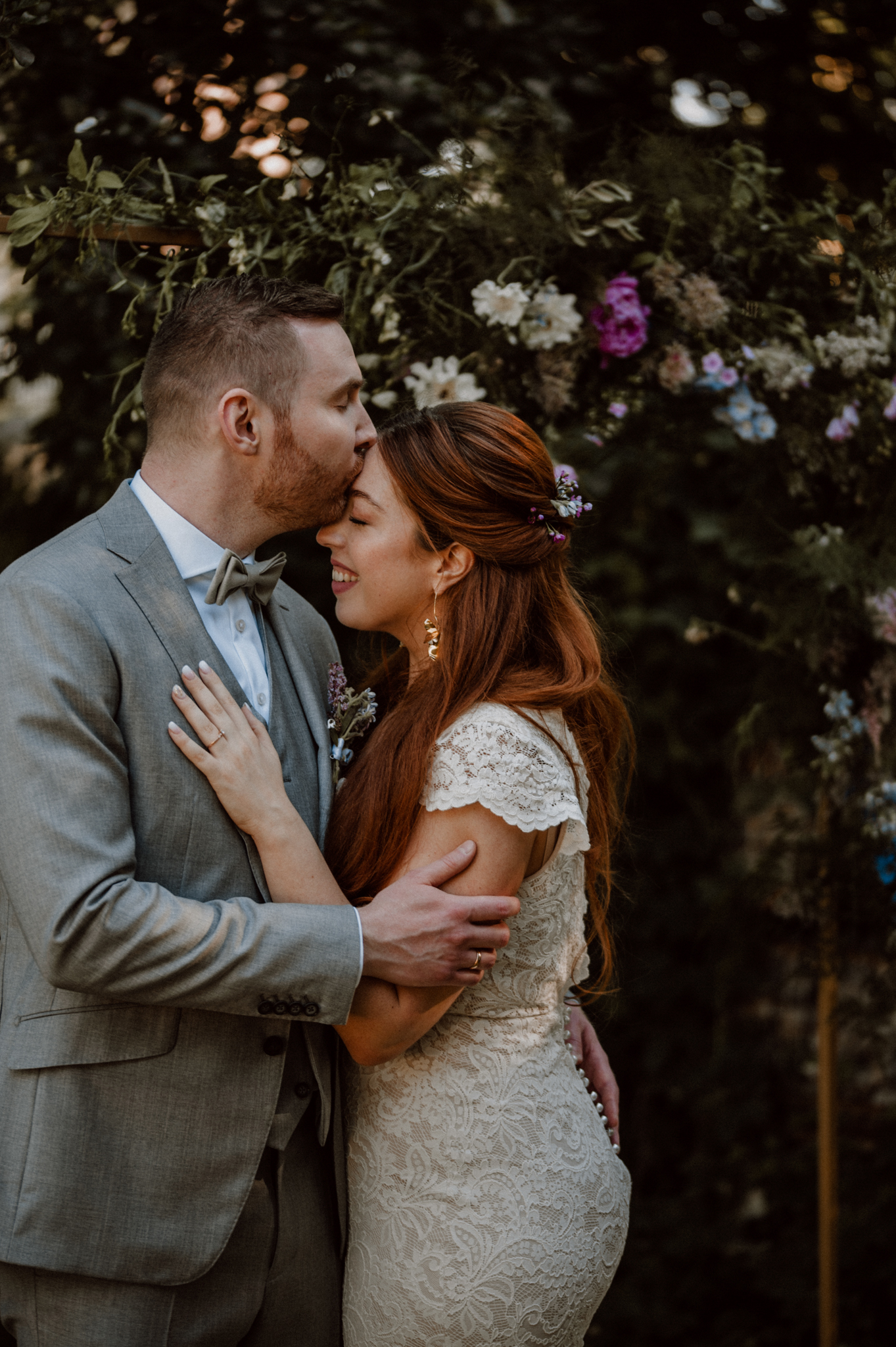
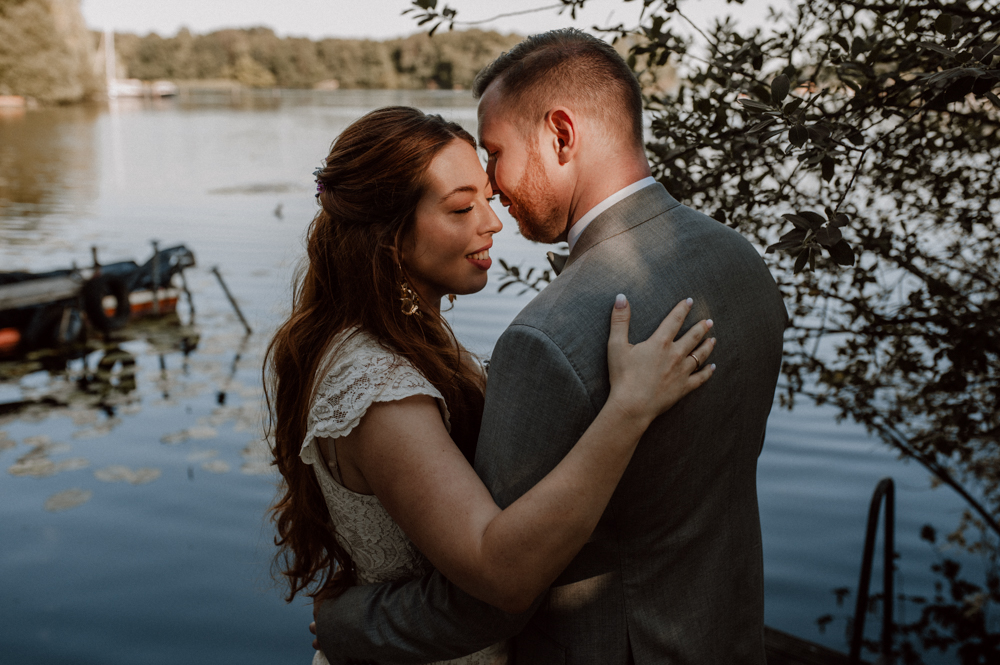
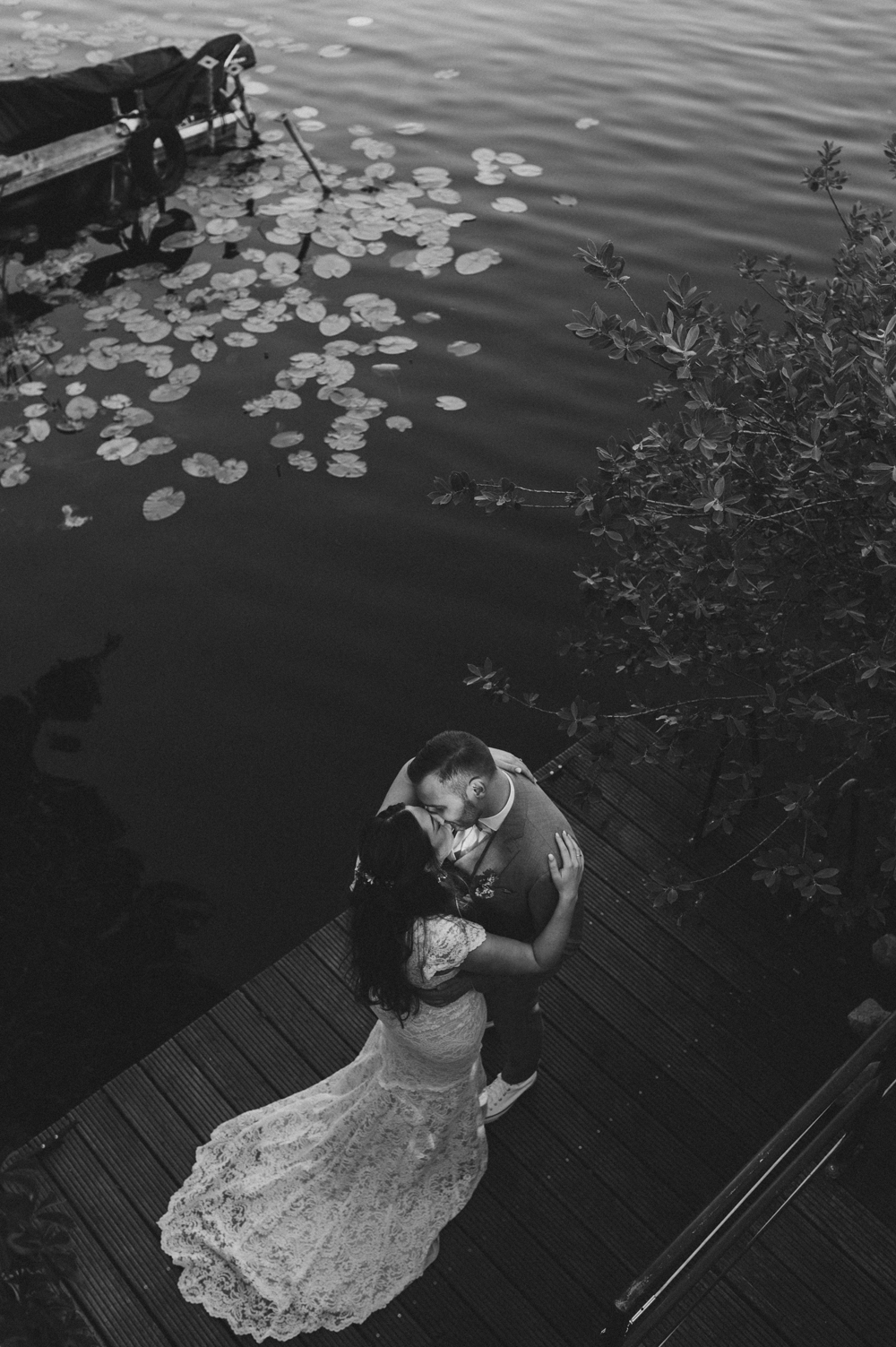
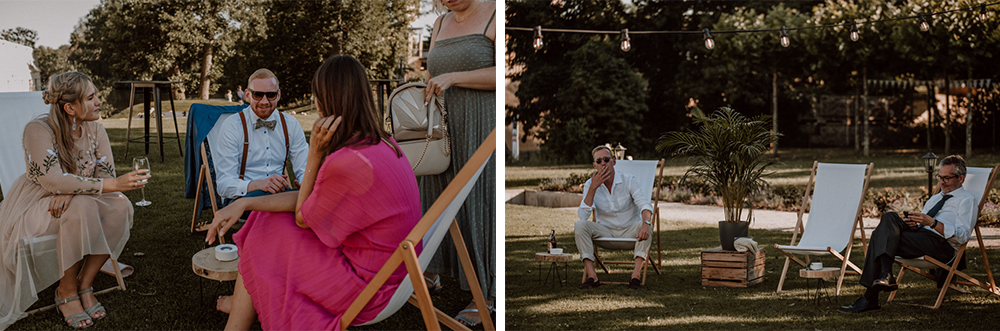
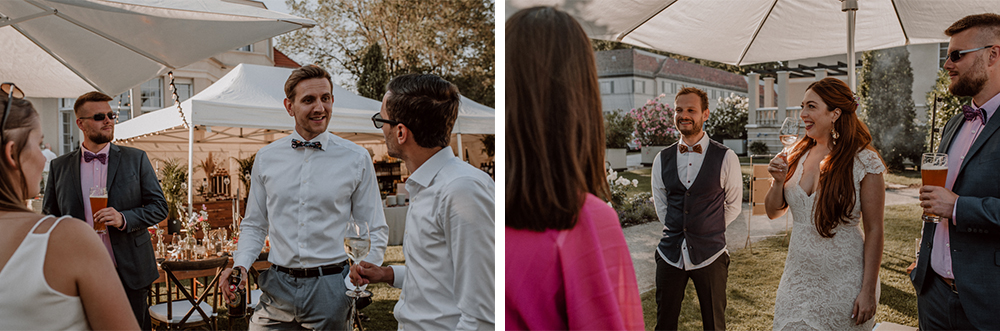
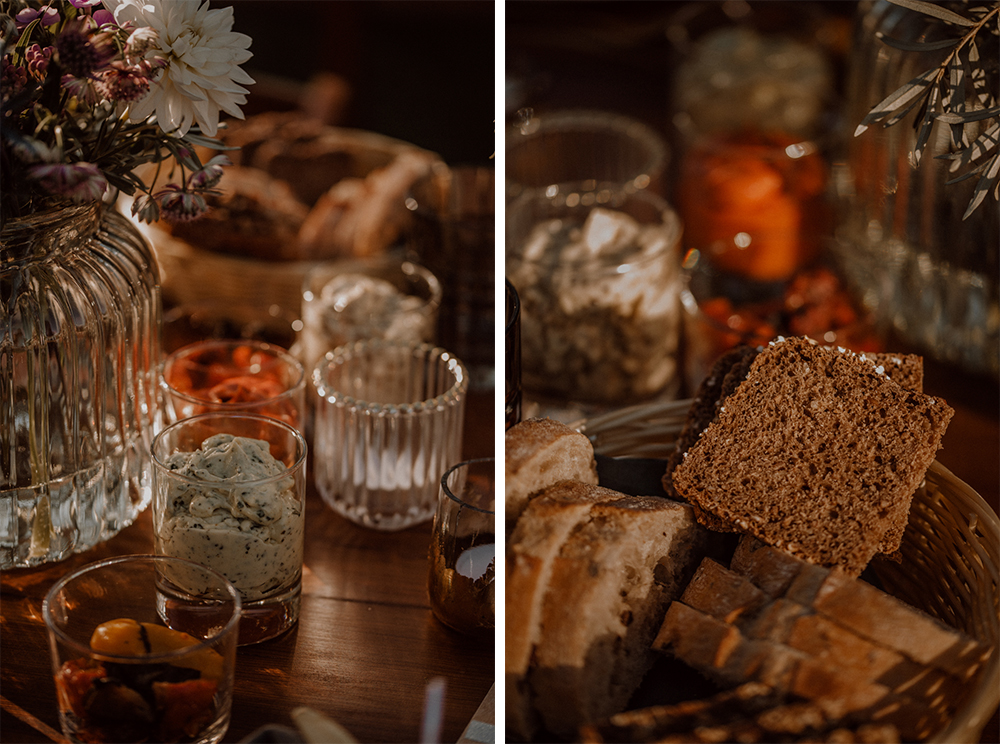
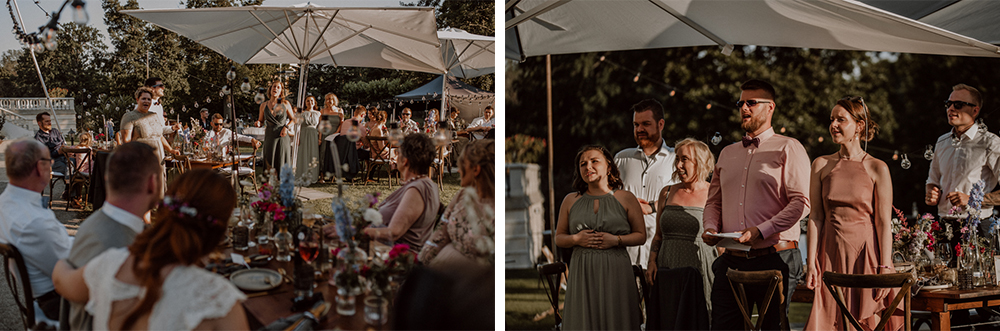
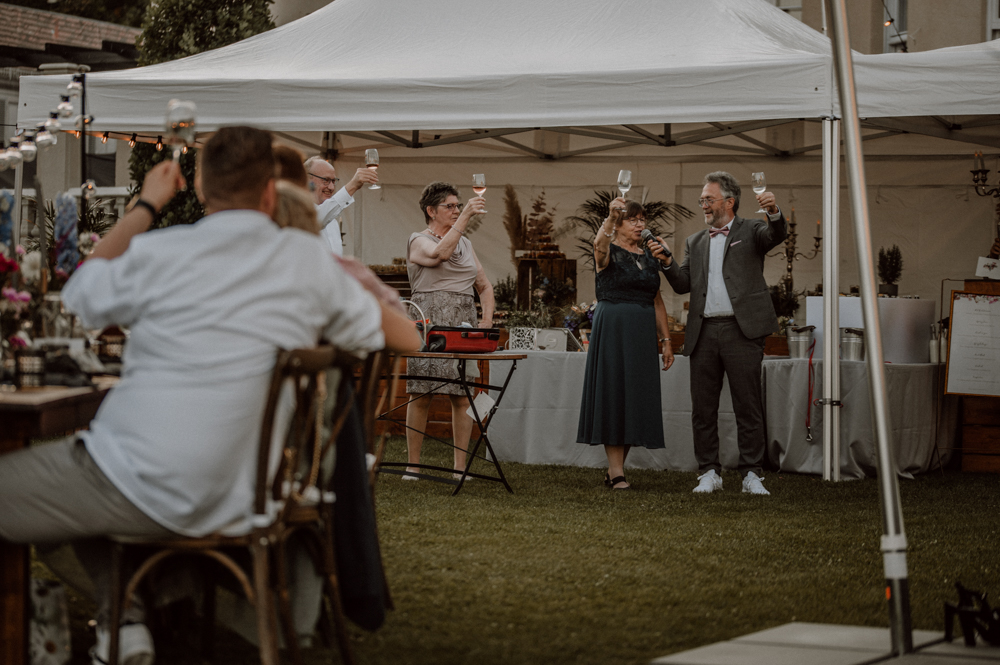
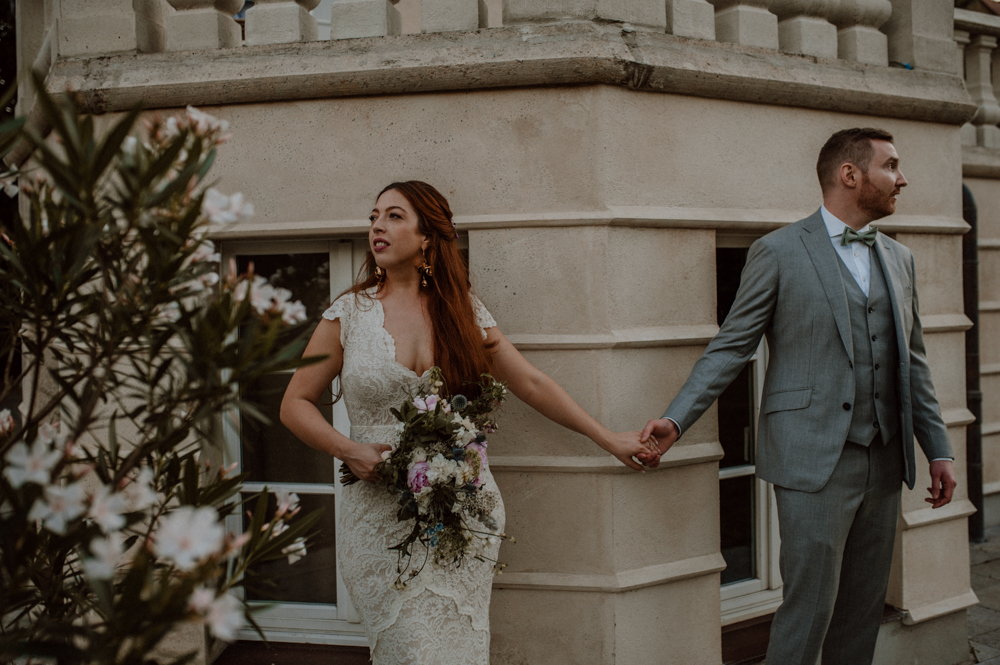
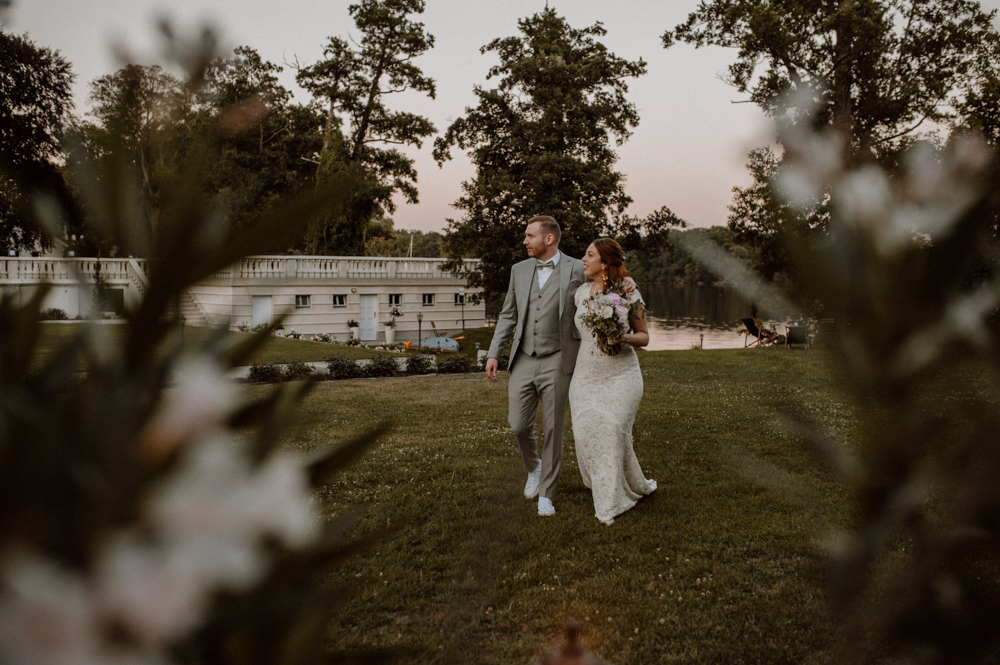
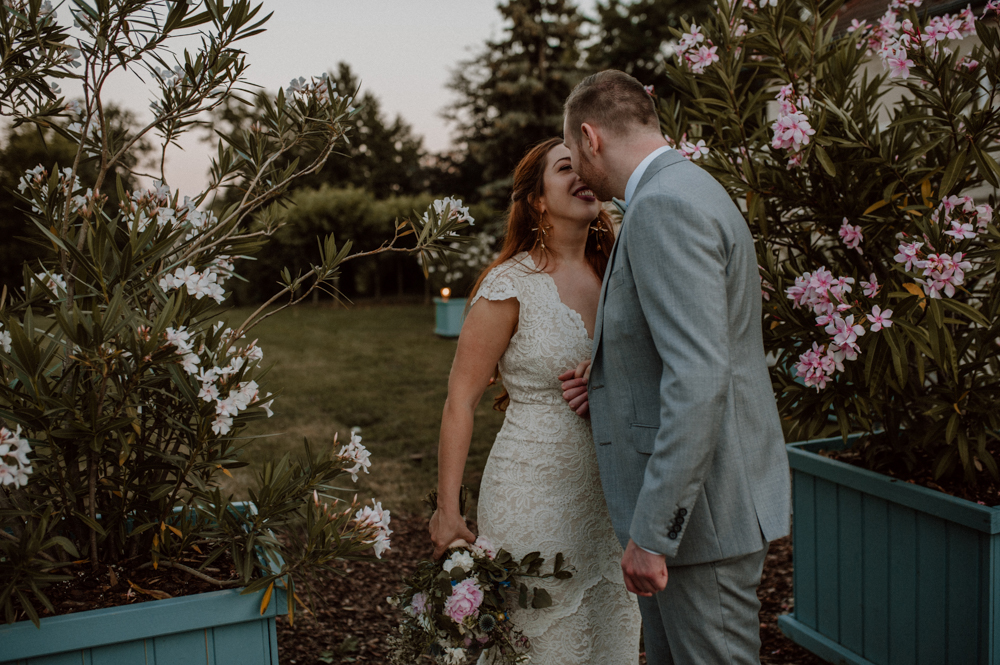
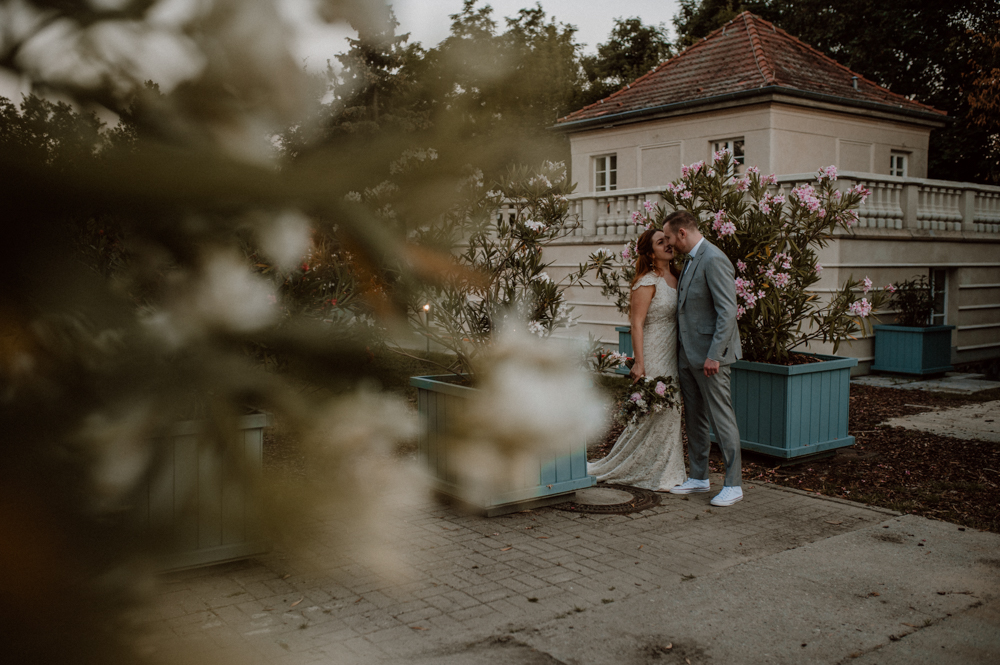
Die freie Trauung fand im Baumschatten statt. Und der liebe Henrick Zietz hat mal wieder eine wunderbare Traurede gehalten. Danach wurde zum Sektempfang auf der Terrasse geladen und wenig später, mit dem Tortenanschitt die Kaffeetafel eröffnet. Das Brautpaar Shooting habe ich nach Absprache mit dem Brautpaar in zwei Teile gesplittet. So hatten wir die Möglichkeit sowohl das Nachmittagslicht, später aber auch das Abendlicht für Fotos nutzen zu können.
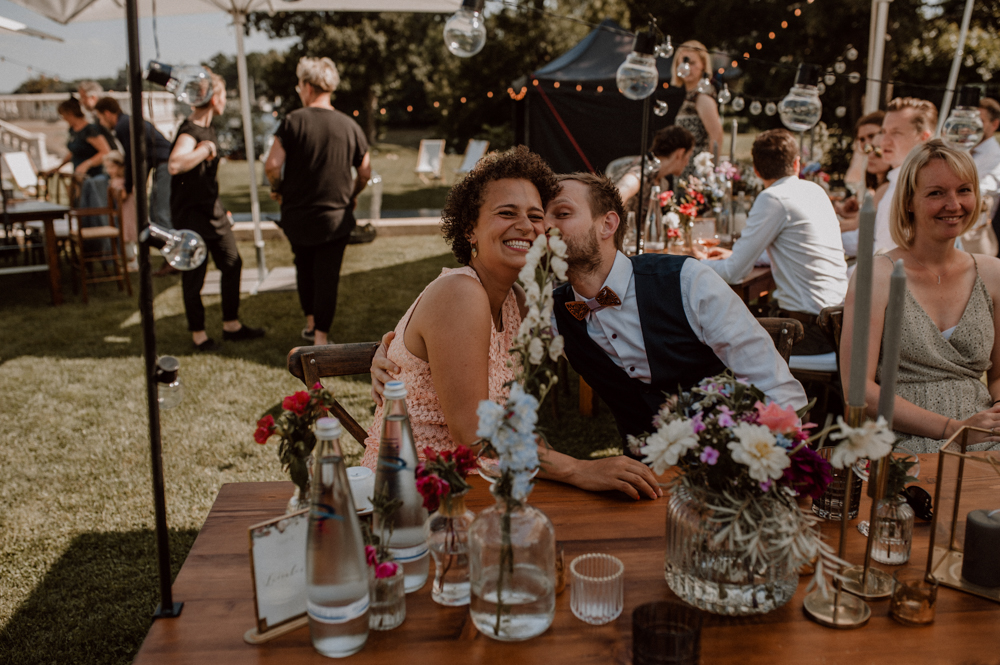
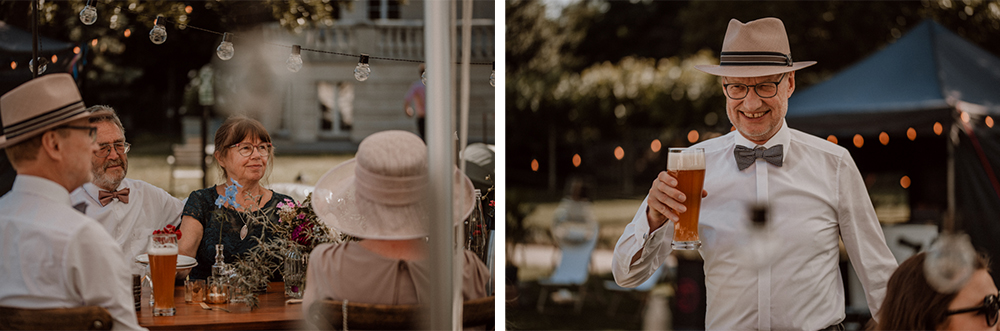
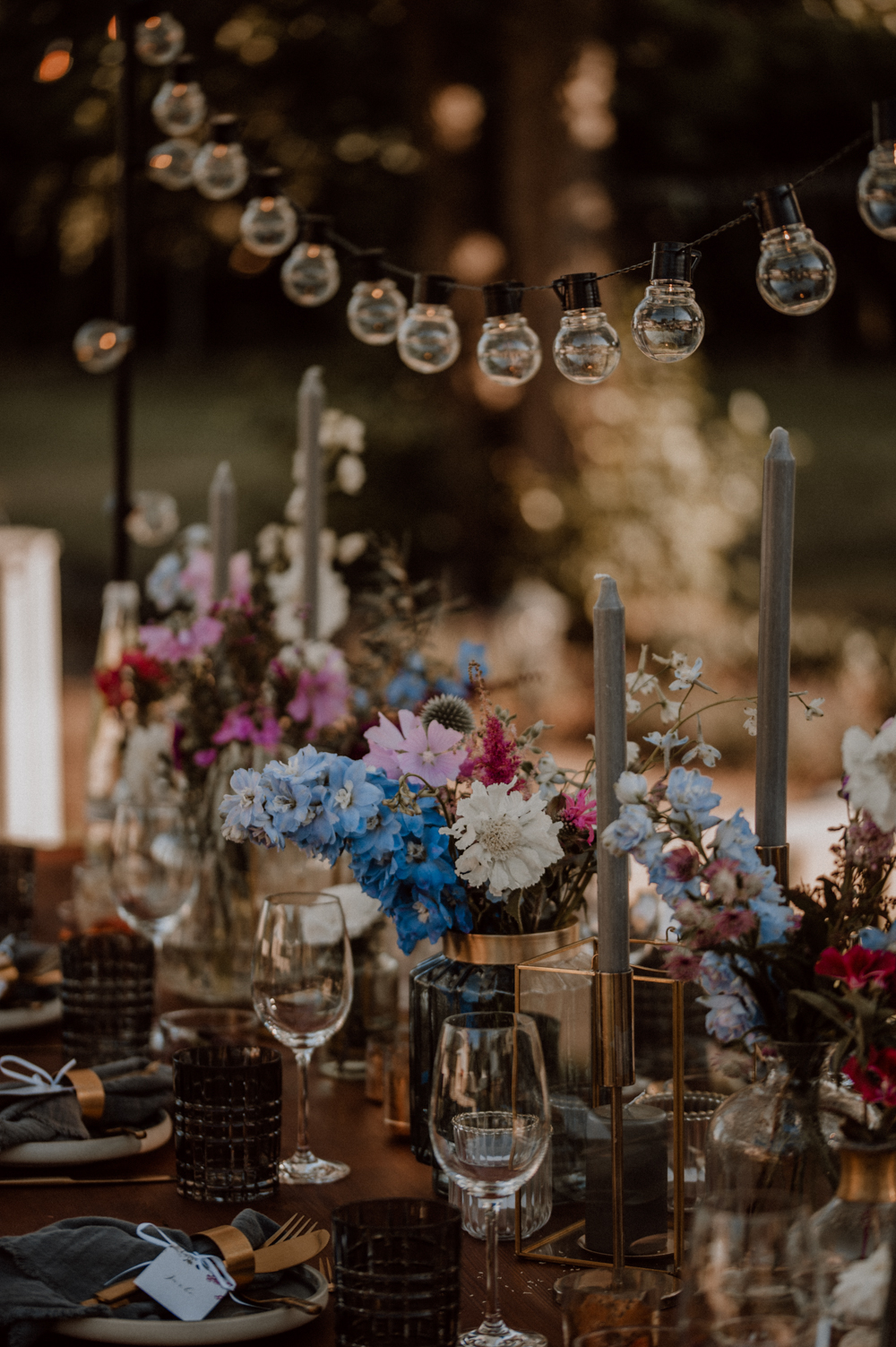
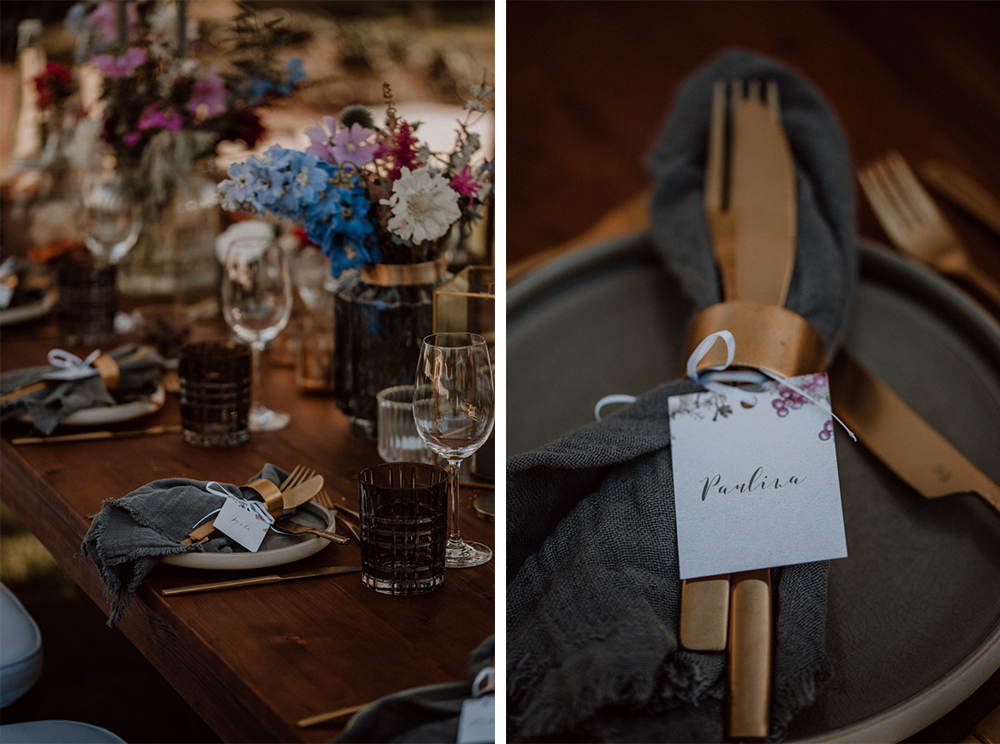
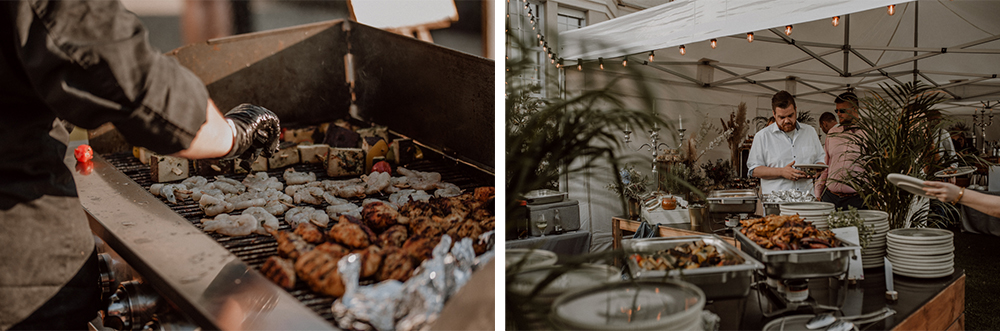
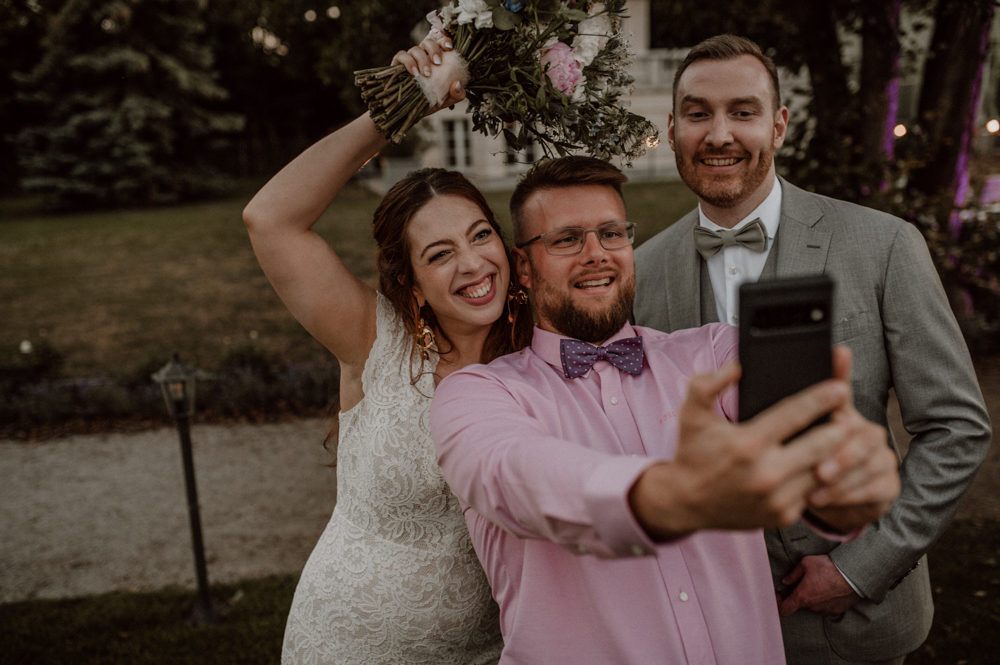
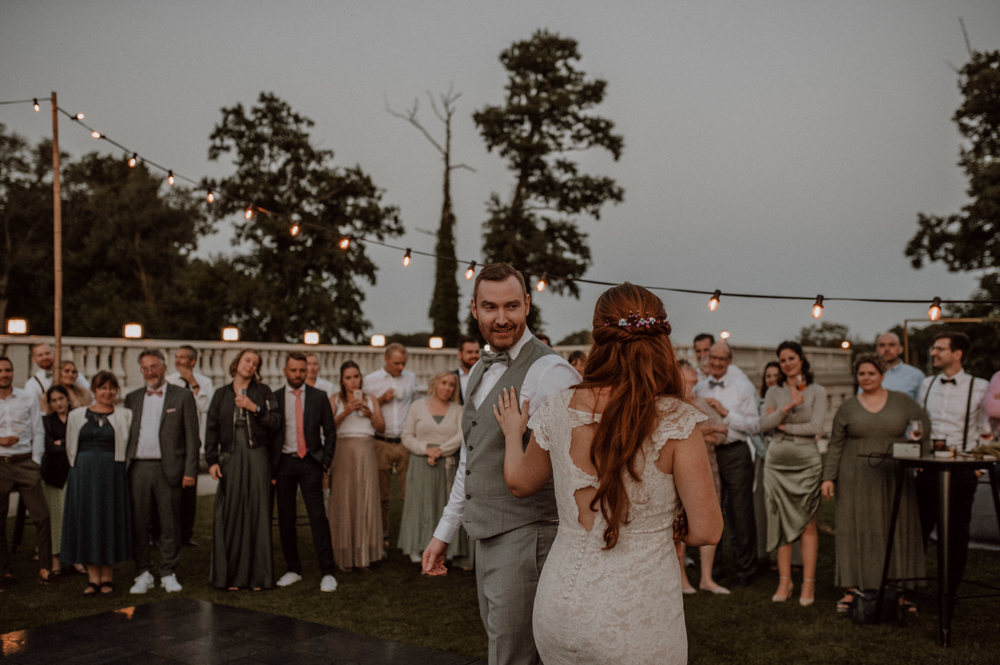
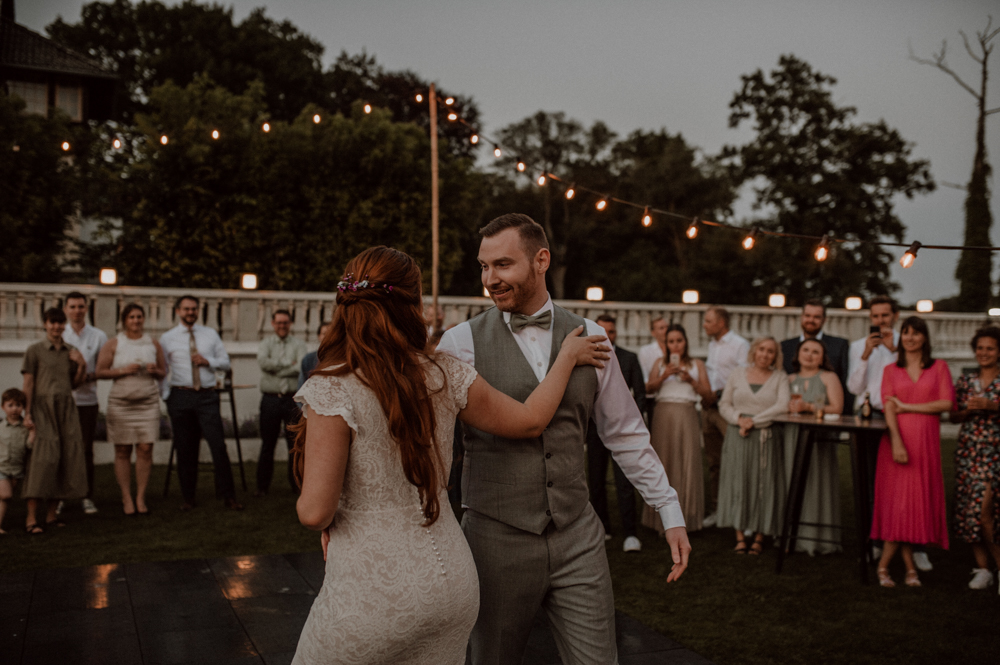
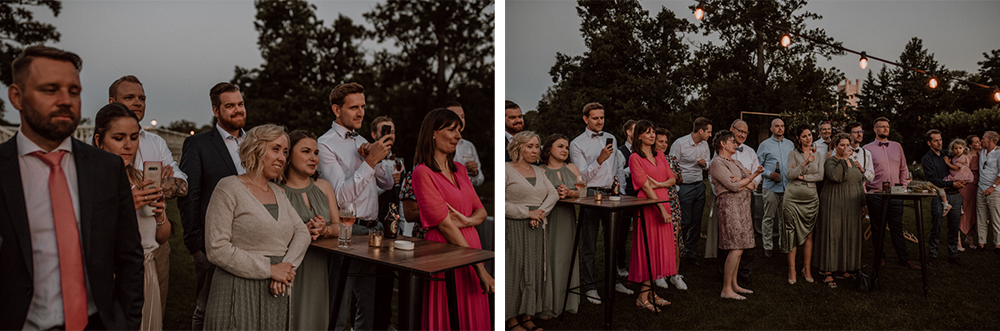
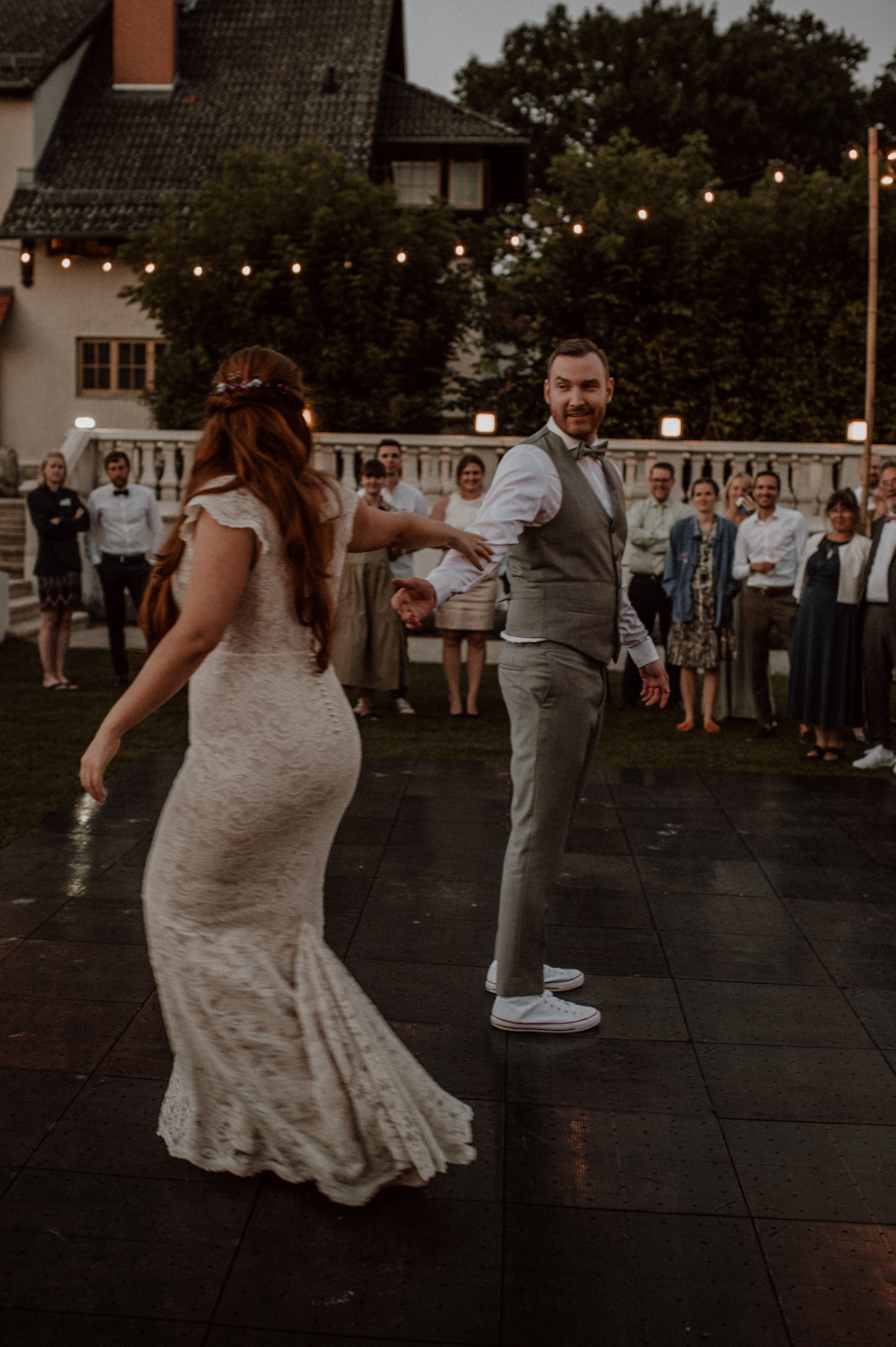
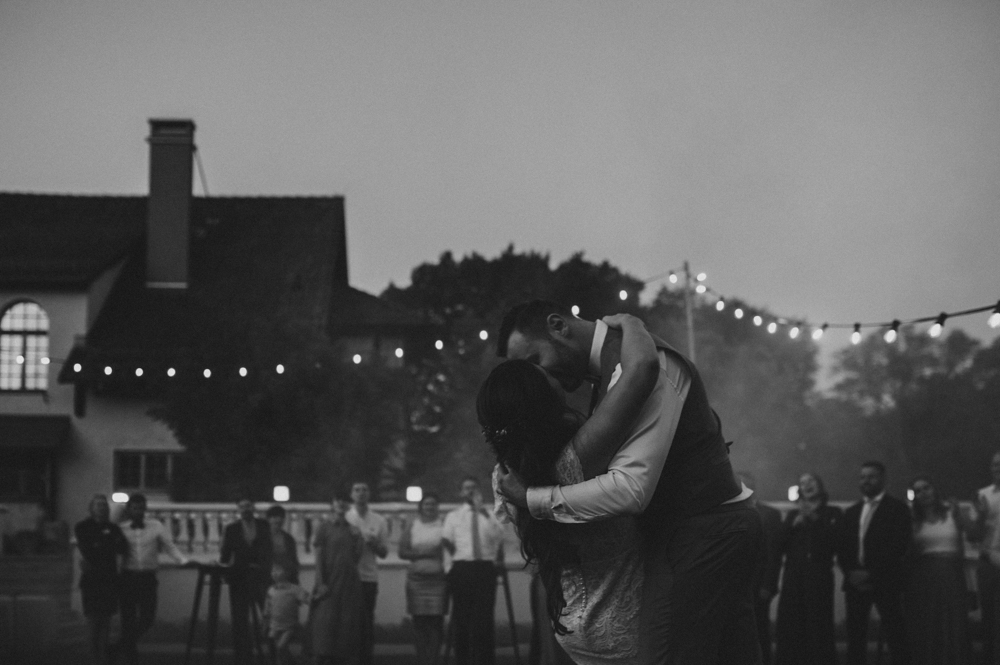
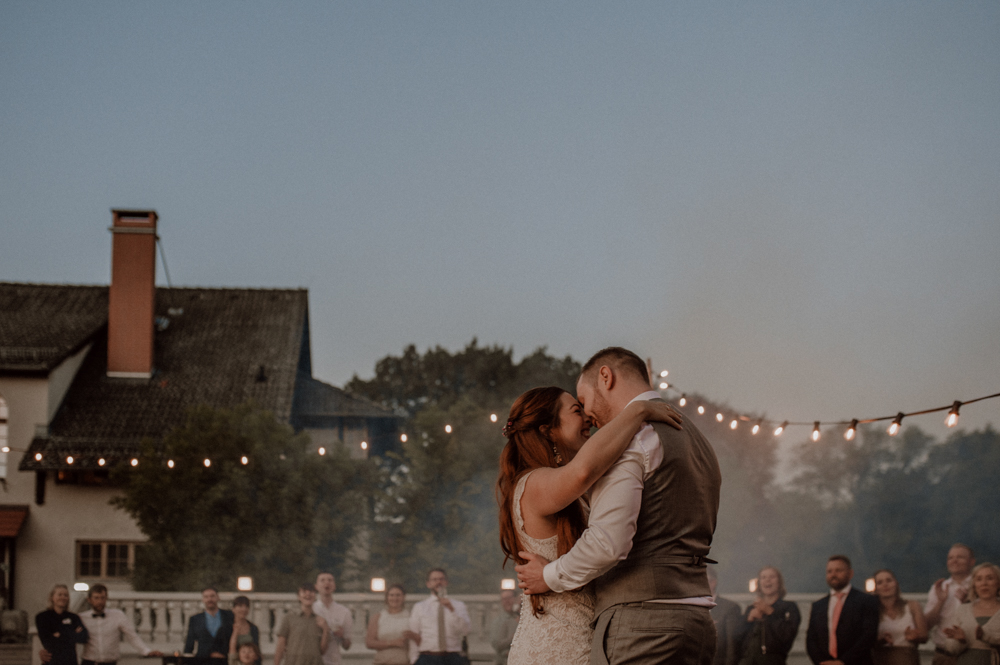
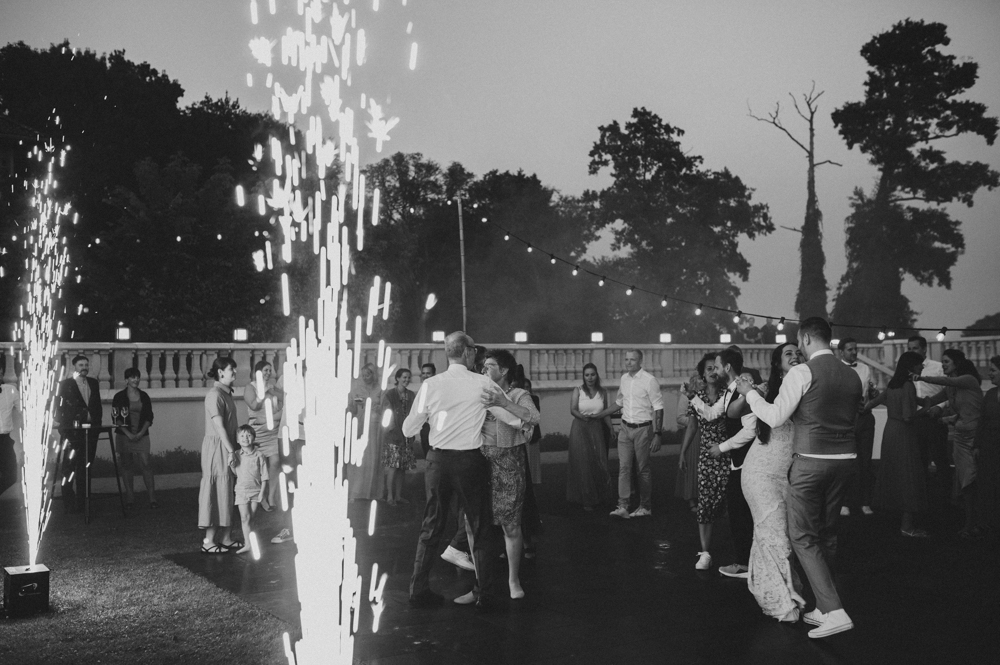
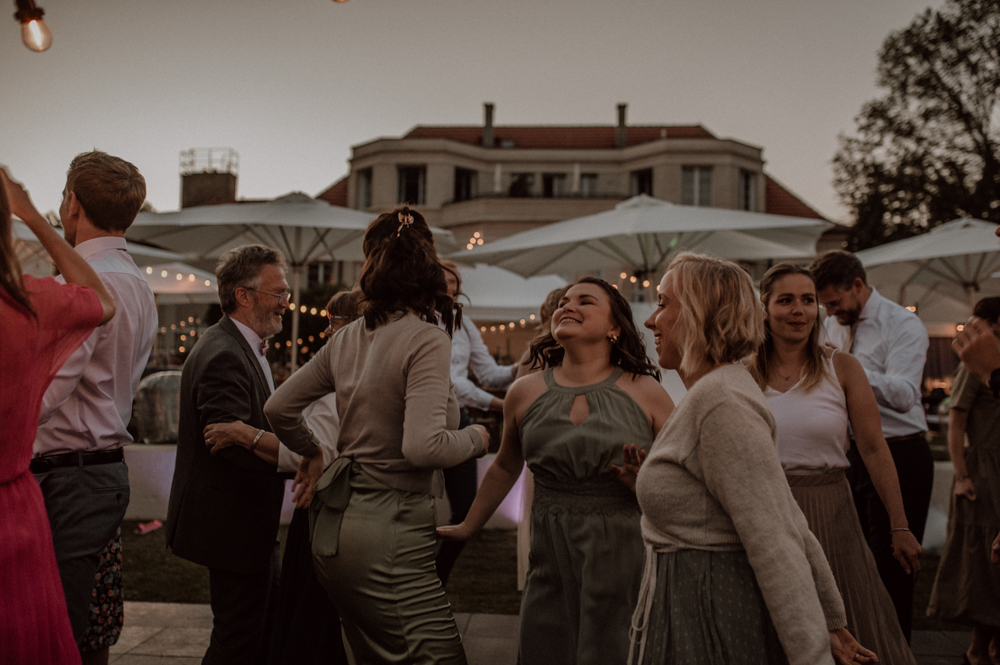
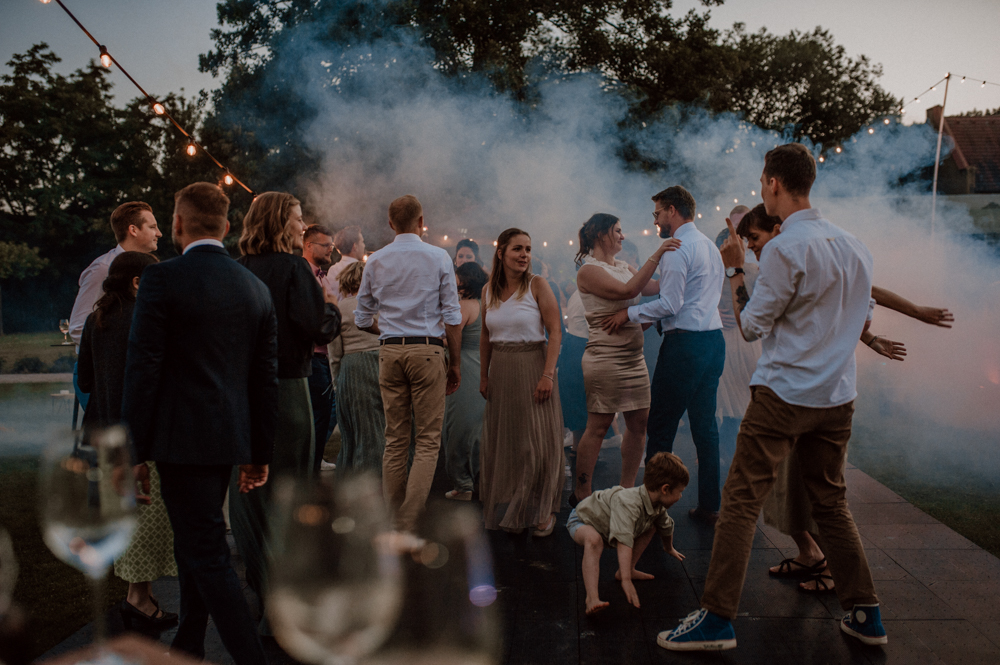
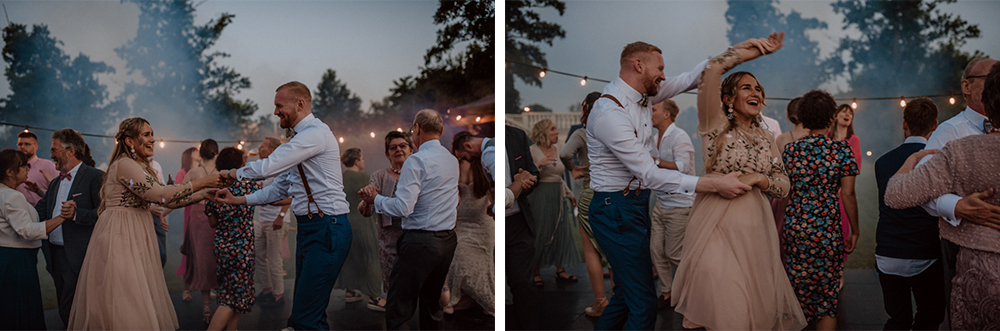
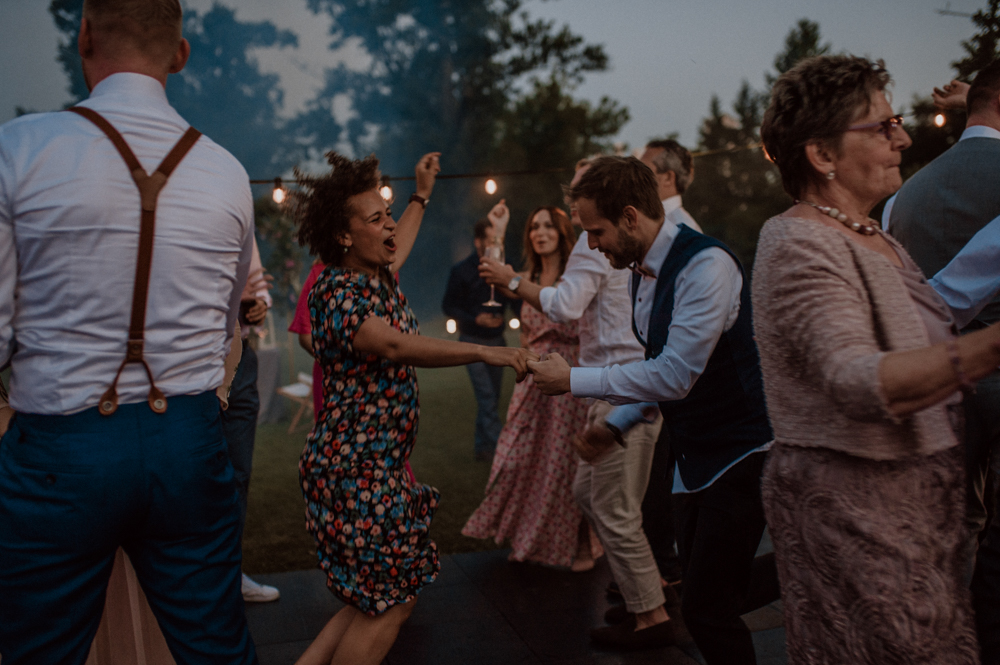
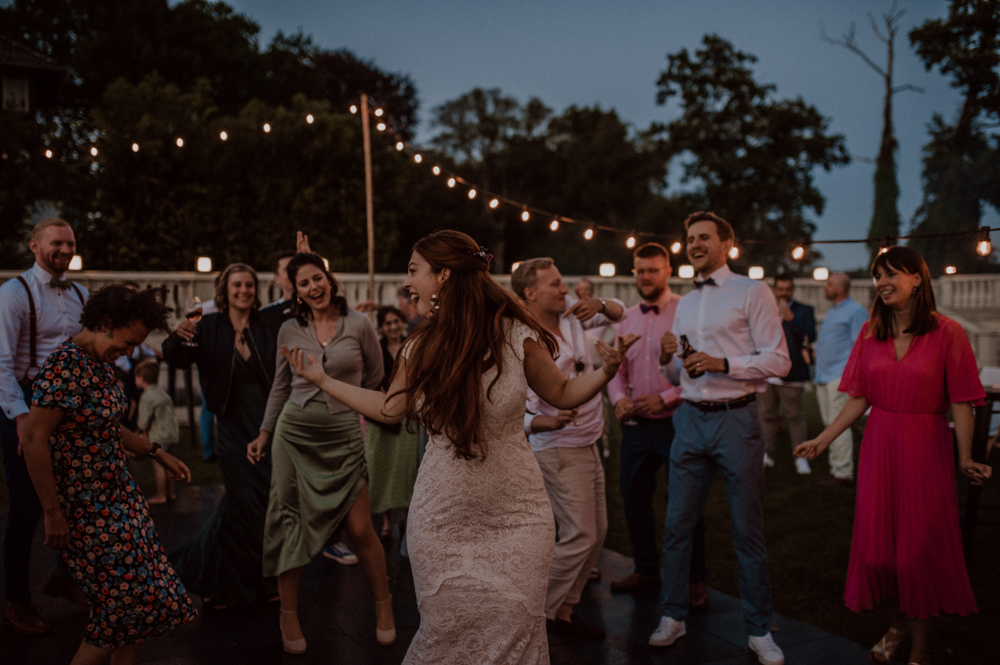
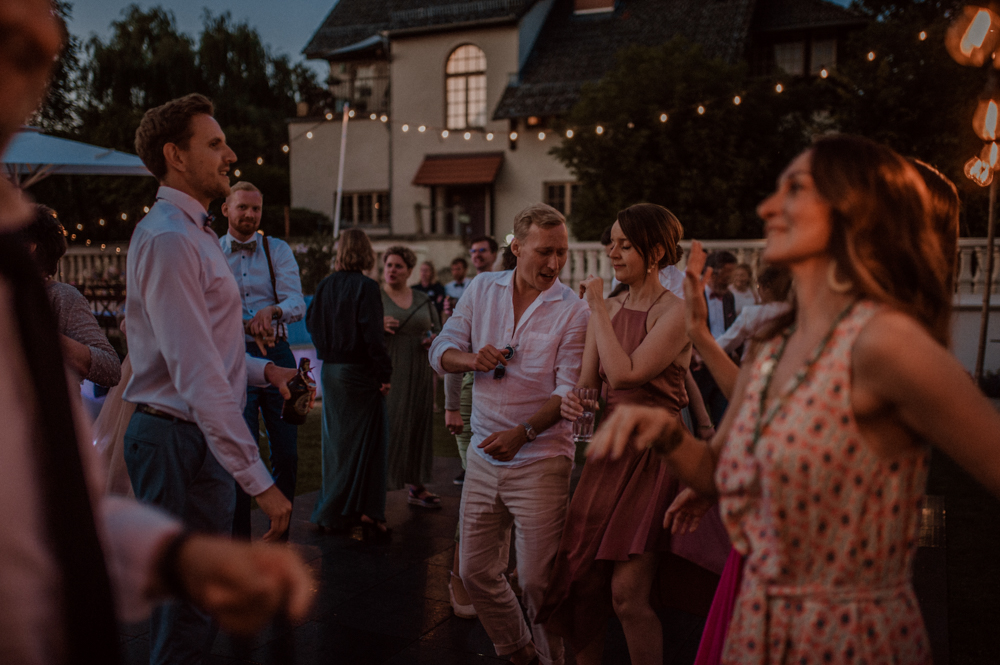
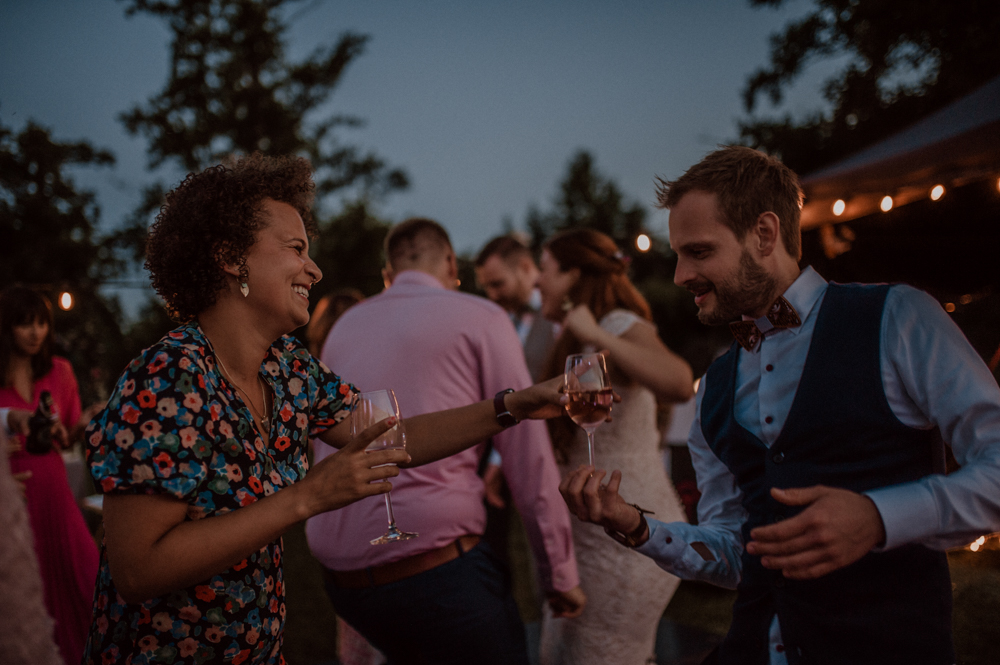
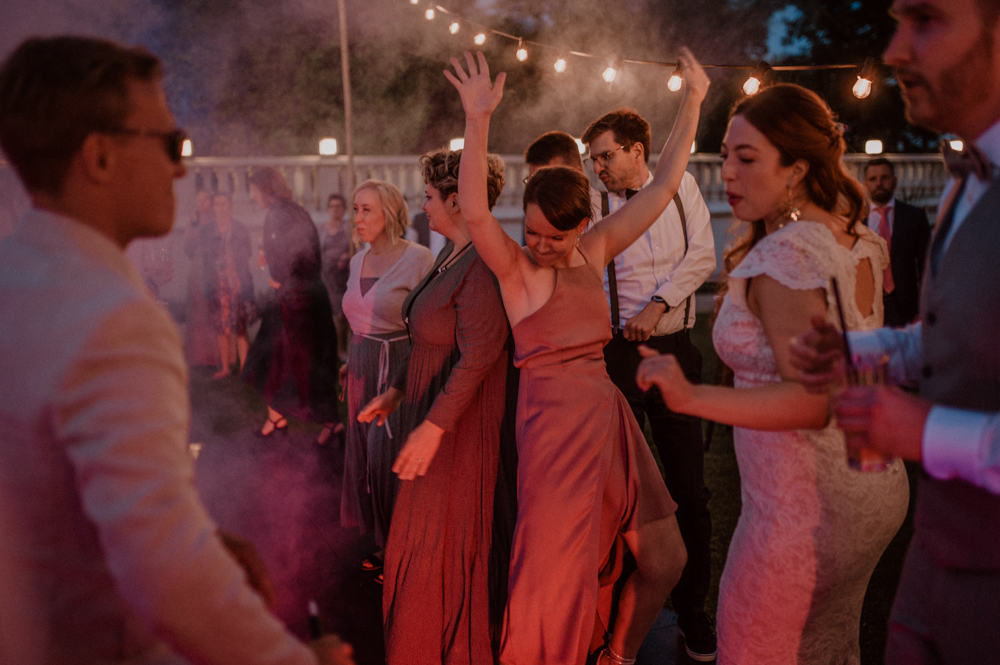
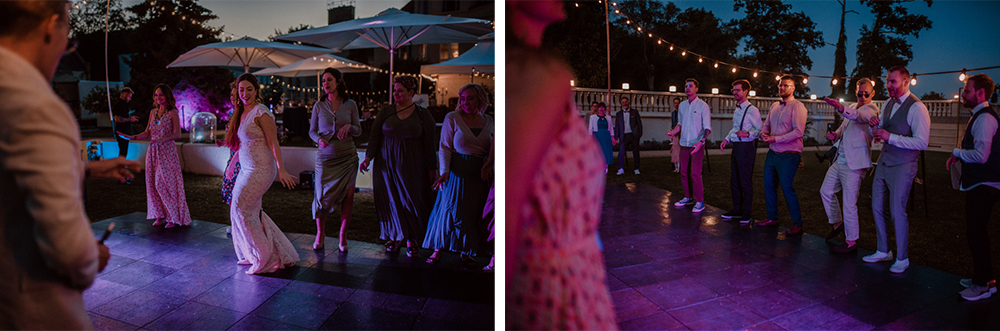
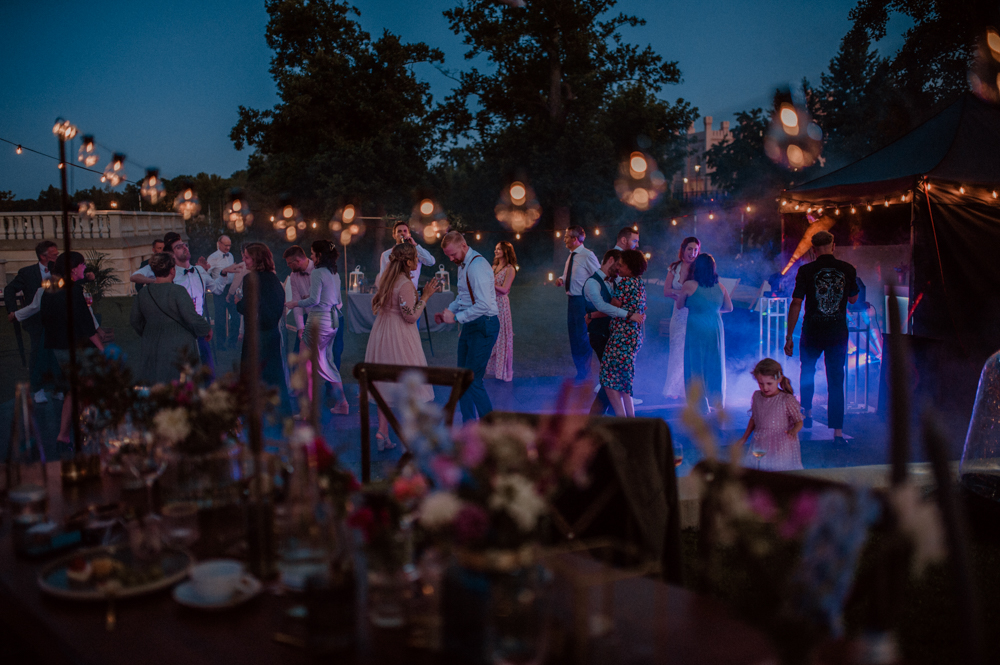
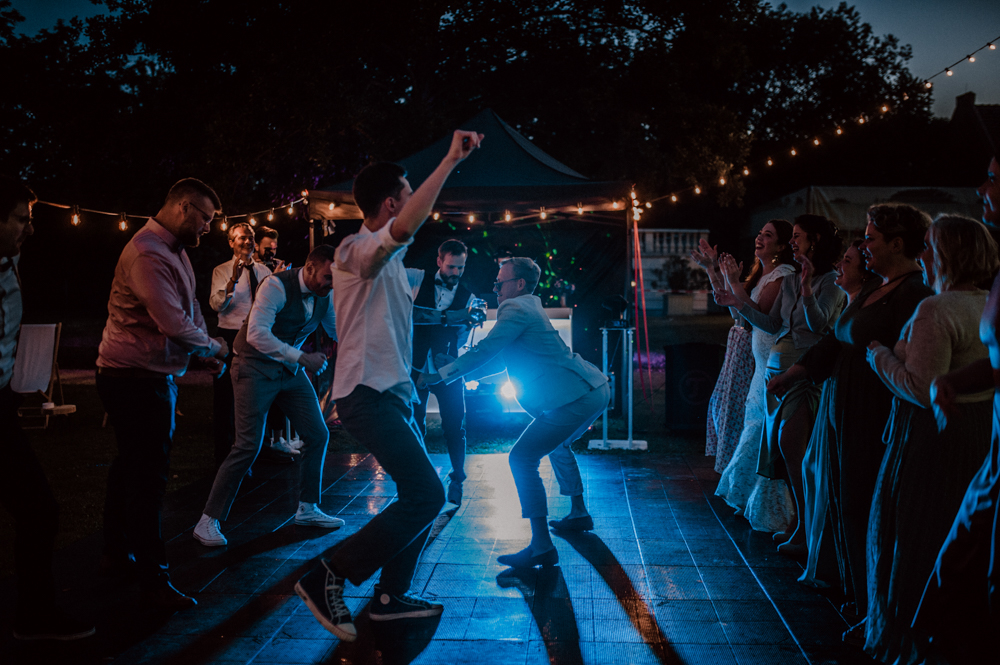
Nach dem Brautpaar Tanz startete die Party und ich muss euch ganz ehrlich sagen, selbst für mich als Hochzeitsfotografin in Berlin, hat sich diese Feier und Stimmung eingebrannt. Es macht natürlich aber auch schon was her, so eine sommerliche Hochzeitsparty im Freien verbringen zu können. Ohne das eure Gäste zwischen drinnen und draußen wechseln müssen. Es war legendär. Wenn ich könnte, würde ich noch immer mit euch tanzen. Aber seht gerne selbst.



As cinema evolved, filmmakers began to explore its artistic possibilities. Silent films like Charlie Chaplin’s City Lights and F.W. Murnau’s Nosferatu used visual storytelling, lighting, and composition to convey emotion and meaning. The lack of sound forced filmmakers to be innovative with visuals, leading to the development of a visual language that is still used in cinema today.
The Golden Age: Storytelling Takes Center Stage
The transition to sound in the late 1920s marked the beginning of Hollywood’s Golden Age, a period characterized by the dominance of studio-produced films and the rise of iconic stars like Humphrey Bogart, Katharine Hepburn, and James Stewart. During this era, the moving image solidified its role as a narrative art form, with films like Gone with the Wind and Casablanca becoming cultural landmarks.
Directors like Alfred Hitchcock, Orson Welles, and Billy Wilder pushed the boundaries of cinematic storytelling. Hitchcock, known as the „Master of Suspense,“ used innovative techniques like the dolly zoom in Vertigo to create tension and psychological depth. Welles‘ Citizen Kane, often hailed as the greatest film ever made, introduced groundbreaking innovations in cinematography, editing, and narrative structure. These filmmakers understood that the moving image was not just a way to tell a story, but a way to evoke emotion, provoke thought, and explore the human condition.